
Components Of Civic Education Basic 2 Civic Education Lesson Note
Download Lesson NoteTopic: Components Of Civic Education
Learning Objectives:
By the end of this lesson, pupils should be able to:
- Explain components of civic education
- Identify components of civic education
- Describe where and how civic education takes place
Lesson Content:
Components of Civic Education:
- RIGHTS AND DUTIES

Our Rights (What we should get):
- Right to food, water, and shelter
- Right to education and healthcare
- Right to play and rest
- Right to be protected from harm
- Right to express our feelings
Our Duties (What we should do):
- Obey our parents and teachers
- Keep our surroundings clean
- Respect other people
- Take care of public property
- Help others when needed
- DEMOCRATIC PRACTICES
What is Democracy? Democracy means everyone has a say and we make decisions together fairly.
Democratic Practices in School:
- Choosing class monitors by voting
- Taking turns to speak in class
- Listening to everyone’s opinion
- Following majority decisions
- Treating everyone equally
Democratic Practices at Home:
- Family meetings to make decisions
- Everyone sharing household chores
- Taking turns to choose family activities
- Respecting each family member
- COMMUNITY VALUES
What are Community Values? Community values are good behaviors and beliefs that help people live together peacefully.
Important Community Values:
- Honesty: Always telling the truth
- Respect: Treating others nicely
- Responsibility: Doing what we should do
- Cooperation: Working together with others
- Kindness: Being nice and helpful to others
- Fairness: Treating everyone equally
Where Civic Education Takes Place:
- At Home:
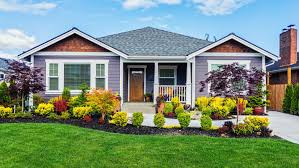
Parents teach us good behavior
We learn respect for elders
We practice sharing and caring
At School:

Teachers teach us civic education subject
We practice democratic values in class
We learn to work together with classmates
In the Community:
Religious centers teach moral values
Community leaders show good leadership
We participate in community activities
Through Media:

Television programs about good behavior
Books and stories with moral lessons
Songs that teach good values
Class Activity:
Create a classroom charter with rights and duties. Let pupils suggest rules for the class and vote on them.
WEEK 3-4 MULTIPLE CHOICE EXERCISE:
Choose the correct answer:
- Our rights include the right to: a) Fight with others b) Education and healthcare c) Break school property
- Our duties include: a) Obeying our parents and teachers b) Being rude to friends c) Refusing to help others
- Democracy means: a) Only one person makes all decisions b) Everyone has a say in decisions c) No one can speak
- A community value is: a) Fighting b) Honesty c) Selfishness
- Civic education takes place: a) Only at school b) At home, school, and community c) Only at home
- Choosing class monitors by voting is: a) A bad practice b) A democratic practice c) Not important
- Respect means: a) Treating others badly b) Treating others nicely c) Ignoring other people
- We learn civic education from: a) Parents and teachers only b) Teachers only c) Parents, teachers, and community leaders
Answers: 1(b), 2(a), 3(b), 4(b), 5(b), 6(b), 7(b), 8(c)
First Term Civic Education Lesson Notes for Other Topics

Meaning Of Civic Education
Explore lesson notes covering all topics.

Components Of Civic Education
Explore lesson notes covering all topics.

Components Of Civic Education (Continued)
Explore lesson notes covering all topics.

Rights And Duties
Explore lesson notes covering all topics.

Democratic Practices
Explore lesson notes covering all topics.

Benefits Of Democracy
Explore lesson notes covering all topics.

Community Values
Explore lesson notes covering all topics.

Importance Of Civic Education
Explore lesson notes covering all topics.
Why Study Civic Education
Explore lesson notes covering all topics.

Importance Of Civic Education To Development
Explore lesson notes covering all topics.

Honesty
Explore lesson notes covering all topics.

Courtesy, Politeness, And Etiquette
Explore lesson notes covering all topics.

Importance Of Civic Education To Development 2
Explore lesson notes covering all topics.

Loyalty In Relationships And Its examples
Explore lesson notes covering all topics.
Qualities Of A Good Leader
Explore lesson notes covering all topics.

Lesson Notes for Other Classes
Basic 3 Lesson Note
The complete lesson note to guide your studies.

Basic 4 Lesson Note
The complete lesson note to guide your studies.
Basic 5 Lesson Note
The complete lesson note to guide your studies.

JSS1 Lesson Note
The complete lesson note to guide your studies.
JSS2 Lesson Note
The complete lesson note to guide your studies.

JSS3 Lesson Note
The complete lesson note to guide your studies.