Courtesy, Politeness, and Etiquette – Basic 2 Civic Education Lesson Note (First Term)
Download Lesson NoteLesson note at a glance
- Subject
- Civic Education
- Class
- Basic 2
- Term
- First Term
- Topic
- Courtesy, Politeness, and Etiquette
- Order
- Topic 7 of 7 this term
- Reading time
- 4 min
Learning Objectives:
By the end of this lesson, pupils should be able to:
- Identify their roles in society regarding courtesy and politeness
- Outline ways to be responsible in public
- Demonstrate proper behavior in streets, buses, trains, and queues
Lesson Content:
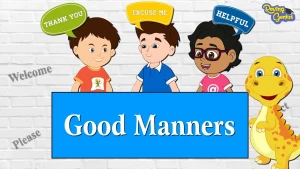
What is Courtesy? Courtesy means being polite, respectful, and considerate to other people. It involves using good manners and treating others the way you would like to be treated.
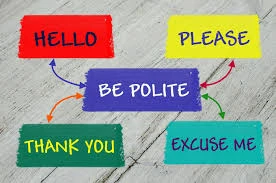
What is Politeness? Politeness means using kind words and gentle actions when dealing with people. Polite people say “please,” “thank you,” and “excuse me” at the right times.
What is Etiquette? Etiquette means knowing the proper way to behave in different situations. It includes table manners, how to greet people, and how to act in public places.
Magic Words for Politeness:
- “Please” – when asking for something
- “Thank you” – when someone helps you or gives you something
- “Excuse me” – when you want to pass by or get attention
- “I’m sorry” – when you make a mistake or hurt someone
- “You’re welcome” – when someone thanks you
Our Roles in Society:
- As Children:
- Respect our parents, grandparents, and elders
- Greet people properly when we see them
- Help younger children and those in need
- Obey rules at home and school
- As Students:
- Be polite to teachers and classmates
- Follow school rules and regulations
- Help maintain cleanliness in school
- Participate positively in school activities
- As Community Members:
- Greet neighbors and community members
- Respect community leaders and elders
- Help keep our community clean
- Participate in community activities
Proper Behavior in Different Places:
In the Street:
- Walk on the right side of the road
- Don’t throw rubbish on the ground
- Help elderly people cross the road
- Greet people you know politely
- Don’t shout or make noise
- Respect traffic rules
In Buses and Trains:
- Give your seat to elderly people, pregnant women, and disabled persons
- Don’t push when entering or leaving
- Keep your belongings close to you
- Don’t eat smelly food
- Speak quietly
- Pay your fare honestly
- Help others with heavy bags if you can
In Queues:
- Wait for your turn patiently
- Don’t push or jump the line
- Stand properly in line
- Don’t save places for friends who come later
- Be patient even when the line is slow
- Help people who don’t understand the system
Other Public Places:
In the Market:
- Greet traders politely
- Don’t touch goods unnecessarily
- Bargain respectfully
- Don’t litter the market
In Religious Places:
- Dress appropriately
- Keep quiet during services
- Respect other people’s religion
- Follow the rules of the place
At Events and Gatherings:
- Arrive on time
- Greet people properly
- Don’t disturb others
- Participate respectfully
Ways to be Responsible in Public:
- Keep the Environment Clean:
- Put rubbish in proper places
- Don’t spit or urinate in public
- Help clean up after events
- Respect Public Property:
- Don’t damage public buildings or facilities
- Use public toilets properly
- Don’t write on walls or public structures
- Help Others:
- Assist people who need help
- Report dangerous situations to adults
- Share information that can help others
- Follow Rules:
- Obey traffic lights and signs
- Follow instructions from authorities
- Respect age restrictions for certain places
Class Activity:
Role-play different scenarios in public places. Practice greeting, queuing, and helping others. Let pupils demonstrate good and bad behavior.
Week 9 multiple choice exercise:
Choose the correct answer:
- Courtesy means: a) Being rude to people b) Being polite and respectful c) Fighting with others
- When asking for something, we should say: a) “Give me now!” b) “Please” c) Nothing
- In buses, we should give our seats to: a) Only our friends b) Elderly people and pregnant women c) No one
- In queues, we should: a) Jump to the front b) Wait for our turn patiently c) Push other people
- Magic words include: a) “Please” and “Thank you” b) “Go away” and “I don’t care” c) “Mine” and “No”
- In the street, we should: a) Throw rubbish anywhere b) Put rubbish in proper places c) Make a lot of noise
- When we make a mistake, we should say: a) “It’s not my fault” b) “I’m sorry” c) Nothing
- Etiquette means: a) Bad behavior b) Knowing the proper way to behave c) Being selfish
- In public places, we should: a) Damage public property b) Respect public property c) Write on walls
- Our role as students includes: a) Being rude to teachers b) Being polite to teachers and classmates c) Breaking school rules
Answers: 1(b), 2(b), 3(b), 4(b), 5(a), 6(b), 7(b), 8(b), 9(b), 10(b)
This term's Civic Education topics
Basic 2 First Term · 7 topics
First Term Civic Education Lesson Notes for Other Topics
Ways Through Which Civic Education Can Be Important at Home
Read the full lesson note.
Meaning of Civic Education
Read the full lesson note.
Ways Through Which Civic Education can be Important at School
Read the full lesson note.
Ways Through Which Civic Education can be Important - The Media
Read the full lesson note.

Ways Through Which Civic Education Can be Important to the Society
Read the full lesson note.

Good Virtues
Read the full lesson note.
Values that Show Good Morals in Our Society
Read the full lesson note.
Public Health Enlightenment
Read the full lesson note.
Values that Show Bad Morals in Our Society
Read the full lesson note.
National Honors Award
Read the full lesson note.
National Heroes and Heroines
Read the full lesson note.
Reasons for National Honors Award
Read the full lesson note.
Concept of Valuing Nigeria Goods
Read the full lesson note.

Reasons for Valuing Nigeria Goods and Examples
Read the full lesson note.
Benefits of Patronizing Nigerian Goods
Read the full lesson note.
Lesson Notes for Other Classes

Basic 1 Lesson Note
The complete lesson note to guide your studies.
Basic 3 Lesson Note
The complete lesson note to guide your studies.
Basic 4 Lesson Note
The complete lesson note to guide your studies.
Basic 5 Lesson Note
The complete lesson note to guide your studies.
Basic 6 Lesson Note
The complete lesson note to guide your studies.

JSS1 Lesson Note
The complete lesson note to guide your studies.