
Historical Sites In Nigeria-Benin JSS1 Nigerian History Lesson Note
Download Lesson NoteTopic: Historical Sites In Nigeria-Benin
THE BENIN KINGDOM
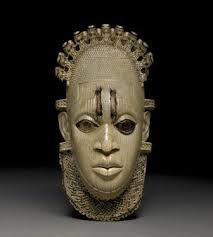
The Benin Kingdom was one of Africa’s greatest civilizations. Located in what is now southern Nigeria, it was a powerful and sophisticated state that flourished for hundreds of years. The kingdom was centered around Benin City in present-day Edo State, Nigeria. At its height, Benin controlled a large territory and was known for its remarkable political organization, impressive artwork, and rich cultural traditions. The kingdom’s achievements and legacies continue to be important not only for Nigerian history but also for understanding African civilization before European colonization.
Origins and Formation
The origins of the Benin Kingdom date back to the 11th century AD. It began as a small state founded by the Edo people who settled around the Benin River Valley. According to Edo oral traditions, Benin went through several stages in its early development.
The earliest phase is associated with the Ogiso dynasty. The Ogiso (meaning “Kings of the Sky”) were the first rulers of the land. There were said to be 31 Ogiso rulers, beginning with Ogiso Igodo. This dynasty ruled until about the 13th century when, according to tradition, there was a period of political disruption.
During this unsettled time, the people of Benin sought outside help to restore order. They sent a message to Ife, a powerful Yoruba kingdom to the west, asking for a ruler. In response, the Oni (king) of Ife sent Prince Oranmiyan, a Yoruba prince, to rule Benin.
Oranmiyan’s time in Benin was brief. Finding the task of ruling Benin difficult, he stayed only long enough to father a son with a local woman. Before returning to Ife, he named this son Eweka. Prince Eweka later became the first Oba (king) of Benin, starting a new royal dynasty that would continue to rule until the kingdom’s fall in 1897. This connection with Ife established an important relationship between the two kingdoms and brought Yoruba cultural influences to Benin.
Under Eweka and the early Obas, Benin remained a relatively small kingdom. The real expansion and development of Benin began during the reign of Oba Ewuare the Great (who ruled around 1440-1473). Oba Ewuare transformed Benin from a smaller state into a powerful empire. He:
- Expanded Benin’s territory through military campaigns
- Rebuilt and fortified Benin City with its famous walls and moats
- Reorganized the government and created new titles and positions
- Established new religious practices and ceremonies
- Encouraged arts and crafts, including bronze casting
Ewuare’s successors, particularly Oba Ozolua and Oba Esigie, continued to strengthen and expand the kingdom throughout the 15th and 16th centuries. Under their rule, Benin became one of the most powerful and prosperous states in West Africa.
Political Organization
The Benin Kingdom developed a sophisticated political system centered on the Oba:
The Oba (King)
The Oba was the supreme ruler of Benin and was considered divine or semi-divine. He was believed to have spiritual powers and a direct connection to the ancestors and gods. The Oba’s authority was extensive, covering political, religious, judicial, and military matters. His person was sacred, and strict protocols governed how people could interact with him.
The palace of the Oba was an enormous complex at the heart of Benin City. It contained hundreds of rooms, courtyards, and shrines. The palace walls were decorated with brass plaques depicting historical events, religious symbols, and images of the Oba and his court.
The Council of Chiefs
The Oba did not rule alone. He was supported by a complex system of chiefs and officials who helped administer the kingdom. The chiefs were divided into several categories:
Palace Chiefs (Eghaevbo n’Ogbe): These chiefs worked directly with the Oba in the palace and managed court affairs. They were appointed by the Oba himself.
Town Chiefs (Eghaevbo n’Ore): These chiefs represented the interests of the Edo people and could sometimes act as a check on the Oba’s power. Their titles were hereditary.
Military Chiefs: Led by the Ezomo, these chiefs commanded Benin’s armies and conducted military campaigns.
The chiefs served both as advisors to the Oba and as administrators who carried out his policies. Important decisions were discussed in council meetings where chiefs could offer advice, though the Oba had the final say.
Provincial Administration
As Benin expanded, it developed systems to control its territories:
- Conquered areas often kept their local leaders but had to pay tribute to Benin
- Benin officials were stationed in important provincial towns to represent the Oba’s interests
- A network of messengers carried the Oba’s commands throughout the kingdom
- Regular tribute payments of goods, food, and labor flowed from the provinces to the capital
Culture and Traditions
The Benin Kingdom was known for its rich cultural heritage. Several aspects of Benin culture stand out as particularly significant:
Art and Craftsmanship
Benin produced some of Africa’s most remarkable artwork, particularly in metalworking:
Bronze and Brass Works: The Benin Bronzes (actually made of brass) are world-famous for their artistic quality and historical importance. These works included:
- Commemorative heads of Obas used in ancestral altars
- Plaques depicting court scenes and historical events
- Figures of animals, warriors, and Portuguese visitors
- Ceremonial items like staffs, swords, and boxes
The lost-wax casting technique used by Benin metalworkers required great skill. Artists created a wax model, covered it with clay, and then heated it so the wax melted away, leaving a mold. Molten metal was poured into this mold to create the final piece.
Ivory Carving: Benin artisans created beautiful objects from elephant tusks, including carved armlets, masks, and decorative items.
Wood Carving: Wooden masks, figures, and ceremonial objects were important in Benin culture, especially for religious purposes.
Beadwork: The Oba and nobility wore elaborate beaded clothing and regalia, including crowns, necklaces, and garments decorated with coral beads, which were highly valued.
Religion and Rituals
Religious beliefs and practices were central to life in the Benin Kingdom:
Ancestor Worship: The Edo people believed that the spirits of ancestors could influence the living. Royal ancestors were particularly important and were honored through sacrifices and ceremonies.
Deities (Ebo): The Benin people worshipped various gods and spirits associated with natural forces, including:
- Olokun, god of the sea and wealth
- Ogun, god of iron and war
- Osanobua, the creator god
- Various nature spirits associated with rivers, forests, and weather
Royal Ceremonies: The Benin calendar included numerous festivals and ceremonies connected to the Oba, the ancestors, and agricultural cycles. The most important was the annual Igue festival, which renewed the Oba’s spiritual power.
Shrines and Altars: Both in the palace and throughout the kingdom, shrines were maintained for ancestors and deities. These contained sacred objects, including brass memorial heads of deceased Obas.
Social Structure
Benin society was hierarchical but had some flexibility:
Royal Family: The Oba and his relatives stood at the top of society.
Nobility: Chiefs and titled officials formed the upper class.
Guilds: Craftspeople like bronze casters, carvers, and weavers belonged to specialized guilds that passed skills from father to son.
Commoners: Farmers, traders, and laborers made up the majority of the population.
Slaves: Captives from war and criminals convicted of serious offenses could become slaves, though slavery in Benin differed from the chattel slavery that later developed in the Americas.
Social mobility was possible through military service, craft skill, or trading success. Successful individuals could earn titles and rise in status.
Economic Activities
The Benin Kingdom had a diverse economy:
Agriculture: Most people were farmers who grew yams, plantains, palm oil, and other crops.
Trade: Benin traded extensively with neighboring African states and, later, with European visitors. Exports included pepper, ivory, palm oil, and cloth. Imports included coral beads, copper, and manufactured goods.
Crafts Production: Specialized workshops produced bronze works, ivory carvings, wooden objects, woven cloth, and other goods.
Taxation: The kingdom collected taxes and tribute from subjects and conquered territories, providing wealth for the royal court and funding for public projects.
Relations with Europeans
The arrival of European explorers in the late 15th century began a new chapter in Benin’s history:
Portuguese Contact
The Portuguese were the first Europeans to reach Benin, arriving in the 1470s during the reign of Oba Ewuare or his successor. Initially, relations were positive:
- Trade developed in ivory, pepper, and eventually slaves
- The Oba exchanged ambassadors with the Portuguese king
- Some Portuguese visitors lived in Benin City
- Christian missionaries attempted to convert the Benin elite, with limited success
The famous brass plaques showing Portuguese soldiers and traders date from this period, showing how Benin artists incorporated new subjects into their traditional art forms.
Later European Relations
After the Portuguese, other European nations established trading relations with Benin:
- The Dutch became important trading partners in the 17th century
- British traders increased contact in the 18th century
- European demand for palm oil grew in the 19th century as the slave trade declined
Throughout this period, the Obas maintained strict control over European access to their kingdom. Unlike many coastal states, Benin kept Europeans at arm’s length, limiting their presence to trading posts in boundary areas and controlling which Europeans could enter Benin City.
Decline and Fall
By the 19th century, the Benin Kingdom faced increasing challenges:
Internal Factors
Several internal issues weakened the kingdom:
- Succession disputes between rival princes
- Growing power of certain chiefs relative to the Oba
- Economic challenges as trade patterns changed
- Military setbacks in conflicts with neighboring states
British Expansion
The most serious external threat came from Britain’s expanding colonial interests in Nigeria:
- Britain sought to control trade in palm oil and other products
- The British wanted to end practices they considered barbaric, including human sacrifice
- Colonial officials aimed to bring all Nigerian territories under British control
- Trade disputes increased tensions between Benin and British authorities
The British Expedition of 1897
The end of the independent Benin Kingdom came in 1897. After Benin forces attacked a British party attempting to visit the city during a sacred period when foreigners were forbidden, Britain organized a “punitive expedition”:
- A force of about 1,200 British soldiers and colonial troops attacked Benin City
- Despite fierce resistance, Benin City fell after several days of fighting
- The British looted the palace, taking thousands of artworks including the famous bronze plaques and sculptures
- The palace and many shrines were burned
- Oba Ovonramwen was captured, later exiled to Calabar, and died there in 1914
This military action effectively ended Benin’s independence. The kingdom became part of Britain’s Niger Coast Protectorate and later part of colonial Nigeria.
Legacy and Significance
Despite its conquest, the Benin Kingdom left an enduring legacy:
Cultural Heritage
The cultural achievements of Benin continue to be celebrated:
- The Benin Bronzes are recognized worldwide as masterpieces of African art
- Traditional ceremonies and customs continue in modified form
- The Edo language and oral traditions preserve knowledge of the past
- The monarchy was restored in 1914 (without political power) and continues today as a cultural institution
Artistic Influence
Benin’s artistic traditions have had lasting impact:
- Benin bronzes influenced modern Nigerian artists
- Traditional techniques like bronze casting continue to be practiced
- The aesthetic principles of Benin art have shaped contemporary African art
- Benin’s artistic achievements helped challenge European prejudices about African cultures
Historical Importance
As one of Africa’s most documented pre-colonial states, Benin provides valuable historical insights:
- Evidence of complex political organization in pre-colonial Africa
- Documentation of African diplomatic and trade relations with Europe
- Examples of technological achievement in metallurgy and construction
- Demonstration of urban planning and development in pre-colonial Africa
Contemporary Relevance
The Benin Kingdom remains relevant in several modern contexts:
- Debates about returning looted artifacts to their places of origin
- Questions of cultural identity and heritage in modern Nigeria
- Tourism development centered on Benin’s historical sites
- Pride in African achievements before European colonization
Modern Benin City
Today, Benin City continues as an important Nigerian city:
- It is the capital of Edo State with a population of over one million
- The current Oba of Benin, Ewuare II (crowned in 2016), continues the royal lineage
- Some traditional institutions and ceremonies continue
- Remains of the ancient walls and moats can still be seen
- The Benin City National Museum preserves aspects of the kingdom’s heritage
Conclusion
The Benin Kingdom stands as one of Africa’s greatest pre-colonial civilizations. Its sophisticated political system, remarkable artistic achievements, and rich cultural traditions demonstrate the complexity and creativity of African societies before European colonization. Though the independent kingdom ended with the British conquest of 1897, Benin’s legacy continues to inspire pride and interest in Nigeria and around the world.
The history of Benin reminds us that Africa had developed advanced societies, impressive technologies, and complex political systems long before European colonization. As scholars continue to study Benin’s history and as more people learn about its achievements, the kingdom’s place in world history becomes increasingly recognized and appreciated.
Second Term Nigerian History Lesson Notes for Other Topics

The Geography Of Major Towns In Lagos
Explore lesson notes covering all topics.

The Earliest Settlers Of The Major Towns In Lagos
Explore lesson notes covering all topics.

Major Towns In Lagos State
Explore lesson notes covering all topics.
Heroines In Lagos State : Madam Efunroye Tinubu And Others
Explore lesson notes covering all topics.

Social And Political Development Of The Major Towns In Lagos
Explore lesson notes covering all topics.

Heroes In Lagos State: Ogunfunminire, Kandido, Da Rocha e.t.c
Explore lesson notes covering all topics.
Notable Female Nigerian
Explore lesson notes covering all topics.
Southern Nigerians And Their Nationalist
Explore lesson notes covering all topics.
Some Nigerian Nationalists -Northern Nigeria
Explore lesson notes covering all topics.

Some Nigerian Nationalists- Herbert Macaulay
Explore lesson notes covering all topics.

Nationalist And Nationalism In Nigeria
Explore lesson notes covering all topics.
State Creation in Nigeria 1967
Explore lesson notes covering all topics.

State Creation in Nigeria 1976 Till Date
Explore lesson notes covering all topics.

Federal Capital
Explore lesson notes covering all topics.

Nigeria's Federal Capital Territories - Federal Capital II
Explore lesson notes covering all topics.


Lesson Notes for Other Classes

Basic 1 Lesson Note
The complete lesson note to guide your studies.

Basic 2 Lesson Note
The complete lesson note to guide your studies.

Basic 3 Lesson Note
The complete lesson note to guide your studies.

Basic 4 Lesson Note
The complete lesson note to guide your studies.

Basic 5 Lesson Note
The complete lesson note to guide your studies.

Basic 6 Lesson Note
The complete lesson note to guide your studies.