
Southern Nigerians And Their Nationalist Basic 5 Nigerian History Lesson Note
Download Lesson NoteTopic: Southern Nigerians And Their Nationalist
Behavioural Objectives
By the end of the lesson, pupils should be able to:
- Mention where Southern Nigeria is found
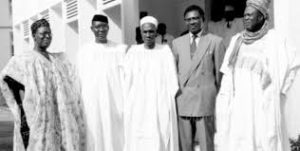
- Give the names of foremost Nigerian nationalists in Southern Nigeria
- Discuss Dr. Nnamdi Azikiwe’s biography and nationalistic activities
- Explain Dr. Alvan Ikoku’s biography and nationalistic activities
- Research on the nationalistic activities and background of Chief Obafemi Awolowo (Individual task)
- Examine and share the nationalistic activities in pairs
- Discuss other Southern Nigeria nationalists and their activities
Keywords
Southern Nigeria, Nnamdi Azikiwe, Alvan Ikoku, Obafemi Awolowo, nationalism, independence, political parties, NCNC, Action Group, Zikism
Set Induction
Begin by showing pupils a map of Nigeria and asking them to identify the southern part. Discuss what they know about famous leaders from Southern Nigeria and their contributions to independence.
Entry Behaviour
Pupils should have knowledge of Nigerian geography, understand the concept of nationalism, and be familiar with Herbert Macaulay’s contributions to Nigerian nationalism.
Learning Materials
- Map of Nigeria showing North-South division
- Photographs of Southern Nigerian nationalists
- Timeline of nationalist activities
- Textbooks on Nigerian history
- Biographical materials
Instructional Materials
- Large map of Nigeria
- Photographs and portraits of nationalists
- Charts showing political parties and their leaders
- Timeline of independence movement
- Audio-visual materials where available
Building Background/Connection to Prior Knowledge
Review previous knowledge about Nigerian nationalism and Herbert Macaulay’s contributions, then connect to how other leaders from Southern Nigeria continued and expanded the nationalist movement.
Embedded Core Skills
- Geographical knowledge
- Historical analysis
- Research skills
- Collaborative learning
- Critical thinking
- Biographical analysis
Learning Materials
- Maps and atlases
- Biographical books
- Historical documents
- Newspapers and magazines
- Reference materials
Reference Books
- Lagos State Scheme of Work for History
- Nigerian History textbooks
- Biographies of Nigerian nationalists
- West African History texts
Content
1. Where Southern Nigeria is Found
Geographical Location
Definition: Southern Nigeria refers to the southern part of Nigeria, located below the Middle Belt region.
Boundaries:
- North: Bounded by Northern Nigeria (approximately along the 10th parallel)
- South: Atlantic Ocean and Gulf of Guinea
- East: Cameroon Republic
- West: Benin Republic
Regions within Southern Nigeria
Major Regions:
- South-West (Yorubaland): Lagos, Ogun, Oyo, Osun, Ondo, Ekiti states
- South-East (Igboland): Anambra, Imo, Abia, Enugu, Ebonyi states
- South-South (Niger Delta): Rivers, Bayelsa, Delta, Cross River, Akwa Ibom, Edo states
Major Cities
- Lagos: Former capital and commercial center
- Ibadan: Major Yoruba city
- Port Harcourt: Oil industry center
- Enugu: Former Eastern regional capital
- Calabar: Historical trading port
- Benin City: Ancient kingdom center
Characteristics
- Climate: Tropical rainforest and coastal climate
- Vegetation: Rainforest and mangrove swamps
- Economy: Agriculture, oil production, commerce, and industry
- Culture: Diverse ethnic groups with rich cultural heritage
2. Foremost Nigerian Nationalists in Southern Nigeria
Prominent Leaders
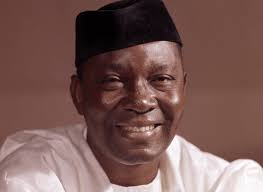
- Dr. Nnamdi Azikiwe – Eastern Region leader
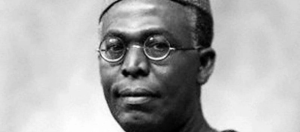
2. Chief Obafemi Awolowo – Western Region leader
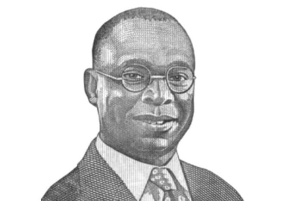
3. Dr. Alvan Ikoku – Educator and politician
4. Chief Anthony Enahoro – Mid-Western leader
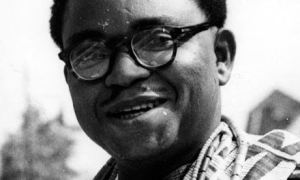
5. Dr. K.O. Mbadiwe – Eastern politician
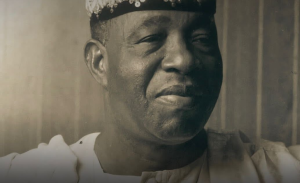
6. Chief H.O. Davies – Western lawyer and politician
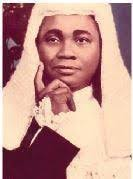
7. Chief Festus Okotie-Eboh – Mid-Western politician
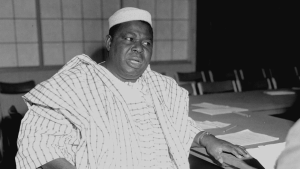
8. Chief Dennis Osadebay – Mid-Western leader
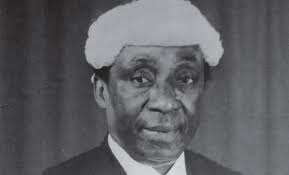
9. Chief Mbonu Ojike – Eastern intellectual
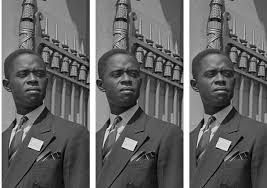
10. Chief Adegoke Adelabu – Western populist leader
3. Dr. Nnamdi Azikiwe’s Biography and Nationalistic Activities
Personal Background
Full Name: Benjamin Nnamdi Azikiwe Birth: 16th November 1904, Zungeru, Northern Nigeria Death: 11th May 1996, Enugu, Eastern Nigeria Origin: Onitsha, Anambra State (Igbo ethnic group) Age at Death: 91 years
Education
Early Education:
- Primary school: Hope Waddell Training Institution, Calabar
- Secondary school: Methodist Boys’ High School, Lagos
- Higher education: Storer College, West Virginia, USA
University Education:
- Lincoln University, Pennsylvania (BA in Political Science)
- University of Pennsylvania (MA in Political Science)
- Columbia University (additional studies)
Professional Career
Journalism:
- Founded African Morning Post in Gold Coast (Ghana)
- Established West African Pilot in Lagos (1937)
- Used newspapers to promote nationalism and Pan-Africanism
Politics:
- Co-founded National Council of Nigeria and the Cameroons (NCNC) with Herbert Macaulay (1944)
- Became NCNC leader after Macaulay’s death (1946)
- First indigenous Governor-General of Nigeria (1960-1963)
- First President of Nigeria (1963-1966)
Nationalistic Activities
Media Activism:
- West African Pilot (1937): Used newspaper to criticize colonial rule
- Pan-African Advocacy: Promoted African unity and independence
- Educational Campaigns: Educated masses about their rights
- Anti-Colonial Propaganda: Exposed injustices of colonial system
Political Organization:
- NCNC Leadership: Led major nationalist party
- Constitutional Conferences: Participated in independence negotiations
- Electoral Politics: Contested and won elections
- Regional Leadership: Became Premier of Eastern Region
Educational Development:
- University of Nigeria, Nsukka (1960): Founded first indigenous university
- Educational Philosophy: Promoted African-centered education
- Scholarship Programs: Provided educational opportunities for Nigerians
- Intellectual Development: Encouraged critical thinking and research
Pan-African Activities:
- African Unity: Promoted cooperation among African countries
- Decolonization Support: Supported independence movements across Africa
- International Recognition: Represented Africa on world stage
- Zikism Philosophy: Developed ideology combining nationalism and socialism
Philosophy of Zikism
Core Principles:
- Mental emancipation of Africans
- Economic independence and self-reliance
- Political autonomy and self-governance
- Cultural renaissance and pride
- Pan-African unity and cooperation
4. Dr. Alvan Ikoku’s Biography and Nationalistic Activities
Personal Background
Full Name: Alvan Azinna Ikoku Birth: 1900, Arochukwu, Abia State Death: 1971 Origin: Igbo ethnic group Profession: Educator, politician, and nationalist
Education
Academic Background:
- Local primary education in Eastern Nigeria
- Teacher Training College
- Advanced studies in education
- Self-educated in law and politics
Professional Career
Education:
- Teaching Career: Started as primary school teacher
- Educational Administration: Rose to become education officer
- Curriculum Development: Contributed to educational policy
- Teacher Training: Trained generations of teachers
Politics:
- Early Political Activities: Involved in local politics
- Nationalist Movement: Joined independence struggle
- Party Politics: Active in various political organizations
- Legislative Service: Served in regional legislature
Nationalistic Activities
Educational Nationalism:
- Curriculum Reform: Advocated for African-centered education
- Teacher Development: Trained nationalist-minded teachers
- Educational Access: Promoted education for all Nigerians
- Cultural Education: Emphasized indigenous knowledge systems
Political Activities:
- Anti-Colonial Campaigns: Opposed colonial education policies
- Constitutional Debates: Participated in constitutional discussions
- Regional Politics: Active in Eastern Region politics
- Independence Advocacy: Worked for Nigerian independence
Social Reform:
- Community Development: Promoted local community projects
- Cultural Preservation: Encouraged preservation of Igbo culture
- Youth Development: Mentored young nationalists
- Women’s Education: Advocated for female education
Contributions to Nationalism
Educational Legacy:
- Established schools that produced future leaders
- Developed educational philosophies that emphasized African values
- Created curriculum that promoted nationalist consciousness
- Trained teachers who spread nationalist ideas
Political Impact:
- Provided intellectual foundation for nationalist movement
- Bridged gap between education and politics
- Influenced educational policies in independent Nigeria
- Contributed to constitutional development
5. Research Task: Chief Obafemi Awolowo (Individual Assignment)
Research Guidelines for Students
Students should research and present findings on:
Biographical Information:
- Birth date, place, and family background
- Educational journey and achievements
- Professional career before politics
- Major personal milestones
Political Career:
- Formation of Action Group party
- Role in Western Region development
- Participation in independence negotiations
- Post-independence political activities
Nationalist Contributions:
- Free primary education program
- Constitutional contributions
- Economic development plans
- Social welfare programs
Philosophy and Ideology:
- Democratic socialism principles
- Federalism advocacy
- Economic planning theories
- Educational development philosophy
6. Pair Work: Examining Nationalist Activities
Collaborative Learning Activity
Students work in pairs to:
Research and Compare:
- Compare approaches of different Southern nationalists
- Analyze similarities and differences in their methods
- Examine their contributions to independence
- Evaluate their lasting impact on Nigeria
Presentation Preparation:
- Prepare joint presentations on assigned nationalists
- Create visual aids and timelines
- Develop comparison charts
- Practice collaborative presentation skills
7. Other Southern Nigeria Nationalists and Their Activities
Chief Anthony Enahoro (1923-2010)
Background: Born in Uromi, Edo State Contributions:
- Motion for Independence (1953): First to move motion for Nigerian independence
- Journalism: Founded several newspapers
- Constitutional Role: Participated in independence conferences
- Political Leadership: Led Action Group and later formed own party
Chief H.O. Davies (1906-1990)
Background: Lagos-born lawyer and politician Contributions:
- Legal Practice: Prominent lawyer who defended nationalists
- Political Organization: Co-founded Nigerian Youth Movement
- Constitutional Advocacy: Participated in constitutional conferences
- Educational Development: Promoted legal education
Dr. K.O. Mbadiwe (1915-1990)
Background: From Arondizuogu, Imo State Contributions:
- NCNC Leadership: Prominent NCNC politician
- International Relations: Represented Nigeria internationally
- Economic Development: Advocated for industrialization
- Youth Leadership: Inspired young politicians
Chief Mbonu Ojike (1914-1956)
Background: Igbo intellectual and politician Contributions:
- Philosophy: Developed “Boycott the boycottables” campaign
- Cultural Nationalism: Promoted African culture and values
- Political Activism: Active NCNC member
- Pan-Africanism: Advocated for African unity
Chief Adegoke Adelabu (1915-1958)
Background: Ibadan-born populist politician Contributions:
- Populist Politics: Champion of common people
- Local Government: Reformed local administration in Ibadan
- Opposition Politics: Effective opposition leader
- Mass Mobilization: Organized grassroots political movements
Chief Dennis Osadebay (1911-1994)
Background: Mid-Western politician and poet Contributions:
- Regional Leadership: First Premier of Mid-Western Region
- Literary Works: Published poems and political writings
- Constitutional Role: Participated in independence negotiations
- Minority Rights: Advocated for minority ethnic groups
Chief Festus Okotie-Eboh (1912-1966)
Background: Delta State politician Contributions:
- Federal Politics: Served as Federal Finance Minister
- Economic Policy: Contributed to early economic planning
- Regional Development: Promoted Mid-Western development
- Parliamentary Leadership: Effective parliamentary debater
Evaluation
- Southern Nigeria is bounded to the south by: a) Northern Nigeria b) Atlantic Ocean c) Cameroon d) Benin Republic
- Dr. Nnamdi Azikiwe was born in: a) Onitsha b) Lagos c) Zungeru d) Enugu
- Which newspaper was founded by Dr. Nnamdi Azikiwe? a) Daily Times b) West African Pilot c) Nigerian Tribune d) Lagos Daily News
- Dr. Alvan Ikoku was primarily known as: a) A lawyer b) An educator c) A businessman d) A soldier
- Who moved the motion for Nigerian independence in 1953? a) Nnamdi Azikiwe b) Obafemi Awolowo c) Anthony Enahoro d) Herbert Macaulay
- The University of Nigeria, Nsukka was founded by: a) Obafemi Awolowo b) Nnamdi Azikiwe c) Alvan Ikoku d) Anthony Enahoro
- Which philosophy was developed by Dr. Nnamdi Azikiwe? a) Socialism b) Capitalism c) Zikism d) Federalism
- Southern Nigeria consists of how many main regions? a) Two b) Three c) Four d) Five
- Chief Mbonu Ojike developed which campaign? a) “Africa for Africans” b) “Boycott the boycottables” c) “Mental emancipation” d) “Self-government now”
- The NCNC was co-founded by Herbert Macaulay and: a) Obafemi Awolowo b) Nnamdi Azikiwe c) Anthony Enahoro d) Alvan Ikoku
Assignment
Individual Research Task
Research and write a detailed report (500 words) on Chief Obafemi Awolowo covering:
- His early life and education
- Formation and leadership of Action Group
- His contributions to Western Region development
- His role in Nigerian independence
- His post-independence political career
- His lasting impact on Nigeria
Pair Work Assignment
Working in pairs, choose two Southern Nigerian nationalists and:
- Compare their backgrounds and approaches
- Analyze their contributions to nationalism
- Create a presentation with visual aids
- Present findings to the class
Group Project
In groups of 4-5, create a comprehensive timeline showing:
- Major events in Southern Nigerian nationalism
- Key figures and their contributions
- Important dates and milestones
- Connection between different nationalist activities
Conclusion
Southern Nigeria produced many outstanding nationalist leaders who played crucial roles in Nigeria’s independence struggle. From Dr. Nnamdi Azikiwe’s intellectual leadership and media activism to Dr. Alvan Ikoku’s educational contributions, these leaders used various approaches to advance the cause of Nigerian independence. Their diverse strategies – including journalism, education, political organization, and constitutional advocacy – complemented each other and strengthened the overall nationalist movement. Understanding their contributions helps us appreciate the complex and multi-faceted nature of Nigeria’s path to independence and provides valuable lessons for contemporary leadership and national development.
Second Term Nigerian History Lesson Notes for Other Topics

The Geography Of Major Towns In Lagos
Explore lesson notes covering all topics.

The Earliest Settlers Of The Major Towns In Lagos
Explore lesson notes covering all topics.

Major Towns In Lagos State
Explore lesson notes covering all topics.
Heroines In Lagos State : Madam Efunroye Tinubu And Others
Explore lesson notes covering all topics.

Social And Political Development Of The Major Towns In Lagos
Explore lesson notes covering all topics.

Heroes In Lagos State: Ogunfunminire, Kandido, Da Rocha e.t.c
Explore lesson notes covering all topics.
Notable Female Nigerian
Explore lesson notes covering all topics.
Some Nigerian Nationalists -Northern Nigeria
Explore lesson notes covering all topics.

Some Nigerian Nationalists- Herbert Macaulay
Explore lesson notes covering all topics.

Nationalist And Nationalism In Nigeria
Explore lesson notes covering all topics.
State Creation in Nigeria 1967
Explore lesson notes covering all topics.

State Creation in Nigeria 1976 Till Date
Explore lesson notes covering all topics.

Federal Capital
Explore lesson notes covering all topics.
Nigeria's Federal Capital Territories - Federal Capital II
Explore lesson notes covering all topics.

Historical Sites In Nigeria-Benin
Explore lesson notes covering all topics.
Lesson Notes for Other Classes

Basic 2 Lesson Note
The complete lesson note to guide your studies.
Basic 3 Lesson Note
The complete lesson note to guide your studies.

Basic 4 Lesson Note
The complete lesson note to guide your studies.

Basic 6 Lesson Note
The complete lesson note to guide your studies.

JSS1 Lesson Note
The complete lesson note to guide your studies.

JSS2 Lesson Note
The complete lesson note to guide your studies.