
Some Nigerian Nationalists -Northern Nigeria Basic 5 Nigerian History Lesson Note
Download Lesson NoteTopic: Some Nigerian Nationalists -Northern Nigeria
Behavioural Objectives
By the end of the lesson, pupils should be able to:
- State where Northern Nigeria can be found in Nigeria
- List the foremost Nigerian nationalists in Northern Nigeria
- Discuss the background and nationalistic activities of Sir Ahmadu Bello
- Explain the biography and nationalistic activities of Sir Abubakar Tafawa Balewa
- Examine the background and nationalistic activities of Joseph S. Tarka
- Relate the nationalistic activities of other Nigerian nationalists in Northern Nigeria and their impacts on Nigeria
Keywords
Northern Nigeria, Ahmadu Bello, Abubakar Tafawa Balewa, Joseph Tarka, NPC, Sardauna, modernization, unity, independence, traditional rulers
Set Induction
Begin by showing pupils a map of Nigeria and asking them to identify the northern part. Discuss what they know about the differences between Northern and Southern Nigeria, and introduce the idea that nationalist leaders emerged from all parts of Nigeria.
Entry Behaviour
Pupils should have knowledge of Nigerian geography, understand the concept of nationalism, and be familiar with Southern Nigerian nationalists from previous lessons.
Learning Materials
- Map of Nigeria showing North-South division
- Photographs of Northern Nigerian nationalists
- Timeline of Northern Nigerian political development
- Textbooks on Nigerian history
- Biographical materials
Instructional Materials
- Large map of Nigeria highlighting Northern Nigeria
- Photographs and portraits of Northern nationalists
- Charts showing political parties and their leaders
- Timeline of independence movement in Northern Nigeria
- Visual aids showing traditional and modern elements
Building Background/Connection to Prior Knowledge
Review previous knowledge about Southern Nigerian nationalists and connect to how leaders from Northern Nigeria also contributed to the independence movement, often using different approaches that reflected their cultural and social context.
Embedded Core Skills
- Geographical knowledge
- Historical analysis
- Comparative analysis
- Critical thinking
- Understanding cultural diversity
- Biographical analysis
Learning Materials
- Maps and atlases
- Biographical books
- Historical documents
- Cultural materials
- Reference books
Reference Books
- Lagos State Scheme of Work for History
- Nigerian History textbooks
- Biographies of Northern Nigerian leaders
- Northern Nigerian history texts
Content
1. Where Northern Nigeria Can Be Found in Nigeria
Geographical Location
Definition: Northern Nigeria refers to the northern part of Nigeria, located above the Middle Belt region.
Boundaries:
- North: Niger Republic and Chad Republic
- South: Middle Belt and Southern Nigeria (approximately along the 10th parallel)
- East: Cameroon Republic
- West: Benin Republic and Niger Republic
Regions within Northern Nigeria
Major Regions:
- North-West: Sokoto, Kebbi, Zamfara, Katsina, Kano, Jigawa, Kaduna states
- North-East: Bauchi, Gombe, Taraba, Adamawa, Yobe, Borno states
- North-Central (Middle Belt): Plateau, Nasarawa, Benue, Kogi, Kwara, Niger, FCT
Major Cities
- Kano: Ancient commercial center and largest city
- Kaduna: Administrative and industrial center
- Sokoto: Seat of the Sokoto Caliphate
- Maiduguri: Major northeastern city
- Jos: Mining and commercial center
- Abuja: Current federal capital (in Middle Belt)
Characteristics
- Climate: Semi-arid and Sudan savanna
- Vegetation: Grassland, scattered trees, and desert fringes
- Economy: Agriculture, livestock, mining, and trade
- Culture: Predominantly Hausa-Fulani with Islamic influence
- Traditional System: Emirates and traditional rulers
2. Foremost Nigerian Nationalists in Northern Nigeria
Prominent Leaders
- Sir Ahmadu Bello – Sardauna of Sokoto, Premier of Northern Region

2. Sir Abubakar Tafawa Balewa – First Prime Minister of Nigeria
3. Joseph Sarwuan Tarka – Middle Belt leader and politician
4. Mallam Aminu Kano – Radical politician and social reformer

5. Sir Kashim Ibrahim – Governor of Northern Region
6. Alhaji Muhammadu Ribadu – Adamawa politician
7. Mallam Maitama Sule – Diplomat and politician

3. Sir Ahmadu Bello – Background and Nationalistic Activities
Personal Background
Full Name: Sir Ahmadu Bello Traditional Title: Sardauna (Crown Prince) of Sokoto Birth: 12th June 1910, Rabah, Sokoto State Death: 15th January 1966, Kaduna (assassinated in military coup) Origin: Fulani ethnic group, descendant of Usman dan Fodio Religion: Islam
Education
Early Education:
- Sokoto Provincial School
- Katsina Training College (Teacher Training)
- Traditional Islamic education
Professional Development:
- Self-educated in politics and administration
- Extensive reading in Islamic and political literature
- Practical experience in traditional administration
Traditional and Political Career
Traditional Leadership:
- Sardauna of Sokoto: Appointed as Crown Prince and heir apparent
- Traditional Administration: Served in various traditional positions
- Islamic Leadership: Recognized religious leader in Northern Nigeria
Political Career:
- Northern Peoples’ Congress (NPC): Founded and led the party (1949)
- Northern Region Premier: First and only Premier (1954-1966)
- Federal Politics: Chose to remain in regional politics rather than federal
- Constitutional Conferences: Participated in independence negotiations
Nationalistic Activities
Political Organization:
- NPC Formation (1949): Founded major Northern political party
- Regional Unity: United diverse Northern ethnic groups under one party
- Constitutional Participation: Actively participated in constitutional conferences
- Independence Advocacy: Worked for Nigerian independence while protecting Northern interests
Modernization Programs:
- Education Development: Established schools and promoted Western education
- Infrastructure Development: Built roads, hospitals, and modern facilities
- Economic Development: Promoted agriculture and trade
- Administrative Reform: Modernized traditional administrative systems
Cultural and Religious Activities:
- Islamic Promotion: Promoted Islamic values and education
- Pilgrimage Organization: Organized hajj (pilgrimage) for Northern Muslims
- Cultural Preservation: Protected Northern traditions while embracing modernity
- Inter-faith Relations: Promoted religious tolerance and understanding
National Unity Efforts:
- Pan-Nigerian Vision: Despite regional focus, supported Nigerian unity
- Coalition Building: Formed alliances with Southern political parties
- National Integration: Worked to integrate Northern Nigeria into unified nation
- Compromise and Negotiation: Used diplomacy to resolve political differences
Philosophy and Ideology
Core Principles:
- Gradual Modernization: Balanced tradition with modern development
- Religious Values: Integrated Islamic principles with governance
- Regional Autonomy: Advocated for strong regional governments
- Unity in Diversity: Promoted Nigerian unity while respecting differences
4. Sir Abubakar Tafawa Balewa – Biography and Nationalistic Activities
Personal Background
Full Name: Abubakar Tafawa Balewa Birth: December 1912, Tafawa Balewa, Bauchi State Death: 15th January 1966, Lagos (assassinated in military coup) Origin: Gerawa ethnic group (part of Hausa-Fulani) Religion: Islam
Education
Academic Background:
- Primary Education: Tafawa Balewa Elementary School
- Teacher Training: Katsina Training College
- Higher Education: University of London Institute of Education (1945-1946)
- Professional Development: Continuous learning in politics and administration
Professional Career
Teaching Career:
- Primary School Teacher: Started career as teacher
- Headmaster: Rose to become school principal
- Education Officer: Served in colonial education department
- Educational Reform: Contributed to Northern educational development
Political Career:
- Legislative Council: Elected to Northern Regional Legislature (1946)
- Federal Legislature: Member of House of Representatives
- Minister: Federal Minister of Works (1952-1954)
- Prime Minister: First Prime Minister of Nigeria (1957-1966)
Nationalistic Activities
Constitutional Participation:
- Constitutional Conferences: Active participant in London constitutional conferences
- Independence Negotiations: Key figure in independence discussions
- Federal Structure: Advocated for federal system of government
- Compromise Building: Helped reconcile different regional interests
National Leadership:
- Prime Ministerial Role: Provided steady leadership as first Prime Minister
- National Unity: Worked to unite different regions and ethnic groups
- International Relations: Represented Nigeria on international stage
- Diplomatic Skills: Used diplomacy to manage internal and external challenges
Economic and Social Development:
- National Planning: Promoted national economic development plans
- Infrastructure Development: Supervised major infrastructure projects
- Social Services: Promoted education, health, and social welfare
- Agricultural Development: Emphasized agricultural modernization
Pan-African Activities:
- African Unity: Supported African independence movements
- International Leadership: Led Nigeria’s role in African affairs
- Non-Alignment: Promoted non-aligned foreign policy
- Commonwealth Relations: Maintained good relations with Commonwealth countries
Leadership Style and Philosophy
Characteristics:
- Moderate Approach: Preferred dialogue and compromise to confrontation
- Consensus Building: Skilled at bringing different groups together
- Pragmatic Leadership: Focused on practical solutions to problems
- National Vision: Believed in unified, prosperous Nigeria
5. Joseph Sarwuan Tarka – Background and Nationalistic Activities
Personal Background
Full Name: Joseph Sarwuan Tarka Birth: 1932, Gboko, Benue State Death: 1980 Origin: Tiv ethnic group Religion: Christianity
Education
Academic Background:
- Primary Education: Local primary school in Tivland
- Secondary Education: Government College, Zaria
- Higher Education: Ahmadu Bello University, Zaria
- Professional Development: Legal and political studies
Professional Career
Early Career:
- Civil Service: Worked in colonial and regional civil service
- Community Leadership: Active in Tiv community affairs
- Traditional Role: Served as bridge between traditional and modern systems
Political Career:
- United Middle Belt Congress (UMBC): Founded and led the party
- Regional Politics: Active in Northern Regional politics
- Federal Politics: Member of Federal Parliament
- Opposition Leadership: Led opposition to dominant parties
Nationalistic Activities
Middle Belt Advocacy:
- Minority Rights: Championed rights of Middle Belt minorities
- Regional Identity: Promoted distinct Middle Belt identity
- Political Representation: Fought for adequate representation in government
- Cultural Preservation: Protected Middle Belt cultures and traditions
Political Organization:
- UMBC Formation: Founded United Middle Belt Congress
- Coalition Building: Built alliances with other minority groups
- Electoral Politics: Contested elections and won seats
- Opposition Role: Provided effective opposition to ruling parties
Social and Economic Development:
- Education Promotion: Advocated for educational development in Middle Belt
- Agricultural Development: Promoted farming and rural development
- Infrastructure Development: Fought for roads, hospitals, and utilities
- Youth Development: Encouraged young people to participate in politics
National Integration:
- Nigerian Unity: Despite regional focus, supported Nigerian unity
- Religious Harmony: Promoted peace between Christians and Muslims
- Ethnic Reconciliation: Worked to resolve ethnic conflicts
- Democratic Participation: Promoted democratic values and practices
Contributions to Nigerian Politics
Legacy:
- Minority Rights Advocacy: Established precedent for minority group organization
- Democratic Opposition: Showed importance of opposition parties in democracy
- Regional Development: Contributed to Middle Belt political consciousness
- National Integration: Helped integrate Middle Belt into Nigerian politics
6. Other Northern Nigerian Nationalists and Their Activities
Mallam Aminu Kano (1920-1983)
Background: Born in Kano, radical politician and social reformer
Nationalistic Activities:
- Northern Elements Progressive Union (NEPU): Founded progressive political party
- Social Reform: Advocated for rights of talakawa (common people)
- Education Advocacy: Promoted mass education and social change
- Democratic Values: Championed democratic principles and social justice
Impact on Nigeria:
- Provided alternative to conservative Northern politics
- Promoted social reform and progressive ideas
- Influenced development of Northern Nigerian political consciousness
- Contributed to national democratic development
Sir Kashim Ibrahim (1910-1990)
Background: First indigenous Governor of Northern Region
Nationalistic Activities:
- Administrative Leadership: Provided effective governance as Governor
- Modernization Programs: Promoted development and modernization
- National Unity: Worked to integrate Northern Nigeria into national framework
- Constitutional Role: Participated in constitutional development
Impact on Nigeria:
- Demonstrated Northern Nigerian administrative capability
- Contributed to smooth transition from colonial to indigenous rule
- Promoted national integration and unity
- Enhanced Northern Nigeria’s role in national development
Mallam Maitama Sule (1929-2017)
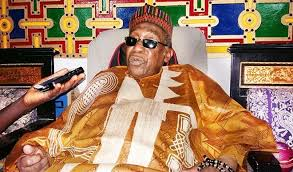
Background: Diplomat and politician from Kano
Nationalistic Activities:
- Diplomatic Service: Served as Nigeria’s Ambassador to various countries
- International Relations: Represented Nigeria in United Nations
- Political Leadership: Active in Northern and national politics
- Cultural Diplomacy: Promoted Nigerian culture internationally
Impact on Nigeria:
- Enhanced Nigeria’s international reputation
- Contributed to foreign policy development
- Promoted national unity through diplomatic service
- Demonstrated Northern Nigerian intellectual capability
Mallam Sa’ad Zungur (1915-1958)
Background: Early Northern intellectual and writer
Nationalistic Activities:
- Intellectual Leadership: Wrote extensively on politics and social issues
- Political Awakening: Promoted political consciousness in Northern Nigeria
- Cultural Development: Encouraged use of Hausa language in literature
- Social Criticism: Criticized social and political injustices
Impact on Nigeria:
- Provided intellectual foundation for Northern nationalism
- Promoted indigenous language development
- Influenced younger generation of Northern leaders
- Contributed to political and cultural awakening
7. Impact of Northern Nigerian Nationalists on Nigeria
Political Impact
Constitutional Development:
- Contributed to federal system of government
- Ensured regional autonomy in independence constitution
- Promoted gradual transition to independence
- Established precedent for regional participation in national politics
National Unity:
- Demonstrated commitment to Nigerian unity despite regional interests
- Built bridges between North and South
- Promoted compromise and consensus in national politics
- Contributed to stable transition to independence
Economic Impact
Development Programs:
- Promoted agricultural and economic development
- Established infrastructure projects
- Encouraged trade and commerce
- Contributed to national economic planning
Resource Management:
- Ensured Northern resources contributed to national development
- Promoted balanced regional development
- Encouraged inter-regional trade and cooperation
- Contributed to national economic integration
Social and Cultural Impact
Education Development:
- Promoted Western education while preserving Islamic values
- Established schools and educational institutions
- Encouraged female education and social development
- Contributed to national human resource development
Cultural Integration:
- Promoted understanding between different cultures
- Preserved Northern traditions while embracing modernity
- Contributed to national cultural diversity and richness
- Enhanced inter-cultural dialogue and understanding
Evaluation
- Northern Nigeria is bounded to the north by: a) Southern Nigeria b) Niger Republic and Chad c) Cameroon d) Atlantic Ocean
- Who was known as the Sardauna of Sokoto? a) Abubakar Tafawa Balewa b) Ahmadu Bello c) Joseph Tarka d) Aminu Kano
- Nigeria’s first Prime Minister was: a) Ahmadu Bello b) Nnamdi Azikiwe c) Abubakar Tafawa Balewa d) Obafemi Awolowo
- Which political party was founded by Ahmadu Bello? a) NCNC b) Action Group c) NPC d) NEPU
- Joseph S. Tarka belonged to which ethnic group? a) Hausa b) Fulani c) Tiv d) Yoruba
- UMBC was founded by: a) Ahmadu Bello b) Abubakar Tafawa Balewa c) Joseph Tarka d) Aminu Kano
- Mallam Aminu Kano founded which political party? a) NPC b) NEPU c) UMBC d) AG
- Ahmadu Bello was assassinated in: a) 1960 b) 1963 c) 1966 d) 1967
- Northern Nigeria is characterized by: a) Rainforest vegetation b) Savanna grassland c) Mangrove swamps d) Mountain ranges
- The first indigenous Governor of Northern Region was: a) Ahmadu Bello b) Kashim Ibrahim c) Abubakar Tafawa Balewa d) Aminu Kano
Assignment
Individual Research Task
Write a comprehensive essay (500 words) on any Northern Nigerian nationalist of your choice, covering:
- Their personal background and education
- Their major political activities and contributions
- Their impact on Northern Nigeria and the entire country
- Their lasting legacy in Nigerian history
Comparative Analysis
Compare and contrast the approaches to nationalism used by:
- Ahmadu Bello and Abubakar Tafawa Balewa
- Northern and Southern Nigerian nationalists
- Traditional rulers and educated elite in Northern nationalism
Group Project
In groups, create a presentation on:
- The role of traditional institutions in Northern Nigerian nationalism
- How Northern nationalists balanced tradition and modernity
- The contribution of Northern Nigeria to Nigerian independence
Conclusion
Northern Nigerian nationalists played crucial roles in Nigeria’s path to independence, often using approaches that reflected their unique cultural, religious, and social context. Leaders like Sir Ahmadu Bello and Sir Abubakar Tafawa Balewa demonstrated that nationalism could take different forms while still contributing to the common goal of independence and national development. Their emphasis on gradual modernization, respect for traditional institutions, and commitment to national unity provided important balance to the independence movement. The diversity of approaches used by nationalists from different parts of Nigeria – North and South – ultimately strengthened the independence movement and contributed to the creation of a unified but diverse Nigerian nation. Understanding their contributions helps us appreciate the complex nature of Nigerian nationalism and the importance of unity in diversity.
Second Term Nigerian History Lesson Notes for Other Topics

The Geography Of Major Towns In Lagos
Explore lesson notes covering all topics.

The Earliest Settlers Of The Major Towns In Lagos
Explore lesson notes covering all topics.

Major Towns In Lagos State
Explore lesson notes covering all topics.
Heroines In Lagos State : Madam Efunroye Tinubu And Others
Explore lesson notes covering all topics.

Social And Political Development Of The Major Towns In Lagos
Explore lesson notes covering all topics.

Heroes In Lagos State: Ogunfunminire, Kandido, Da Rocha e.t.c
Explore lesson notes covering all topics.
Notable Female Nigerian
Explore lesson notes covering all topics.
Southern Nigerians And Their Nationalist
Explore lesson notes covering all topics.

Some Nigerian Nationalists- Herbert Macaulay
Explore lesson notes covering all topics.

Nationalist And Nationalism In Nigeria
Explore lesson notes covering all topics.
State Creation in Nigeria 1967
Explore lesson notes covering all topics.

State Creation in Nigeria 1976 Till Date
Explore lesson notes covering all topics.

Federal Capital
Explore lesson notes covering all topics.
Nigeria's Federal Capital Territories - Federal Capital II
Explore lesson notes covering all topics.

Historical Sites In Nigeria-Benin
Explore lesson notes covering all topics.
Lesson Notes for Other Classes

Basic 1 Lesson Note
The complete lesson note to guide your studies.

Basic 2 Lesson Note
The complete lesson note to guide your studies.

Basic 3 Lesson Note
The complete lesson note to guide your studies.

Basic 4 Lesson Note
The complete lesson note to guide your studies.

Basic 6 Lesson Note
The complete lesson note to guide your studies.

JSS1 Lesson Note
The complete lesson note to guide your studies.