
Notable Female Nigerian Basic 5 Nigerian History Lesson Note
Download Lesson NoteTopic: Notable Female Nigerian
Learning Objectives
By the end of this lesson, pupils should be able to:
- List notable female Nigerian nationalists
- Discuss their background, nationalistic activities and impacts on Nigeria
- Examine the challenges faced by female Nigerian nationalists
- Relate the attributes of a female leader and role model
Introduction
Nigerian women played important roles in the fight for independence and nation-building. These brave women worked alongside men to secure freedom for Nigeria and improve the lives of their people.
Notable Female Nigerian Nationalists
1. Funmilayo Ransome-Kuti (1900-1978)

Background: Born in Abeokuta, Ogun State. She was educated and became a teacher.
Nationalistic Activities:
- Led the Abeokuta Women’s Union (AWU) in 1946
- Fought against unfair taxation of women by traditional rulers
- Organized protests and demonstrations
- Campaigned for women’s rights and education
- Opposed colonial rule and supported independence
Impact on Nigeria: Known as the “Mother of Africa,” she paved the way for women’s participation in politics and inspired future female leaders.
2. Margaret Ekpo (1914-2006)

Background: Born in Creek Town, Cross River State. She was a nurse and businesswoman.
Nationalistic Activities:
- Founded the Aba Market Women’s Association
- Led protests against colonial policies
- Fought for women’s rights to vote and participate in politics
- Organized market women to resist unfair British trade policies
- Became the first woman elected to the Eastern House of Assembly
Impact on Nigeria: She opened doors for women in politics and business, showing that women could be effective leaders.
3. Gambo Sawaba (1933-2001)
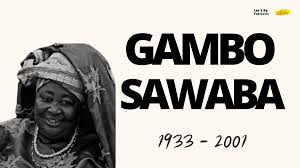
Background: Born in Zaria, Kaduna State. Her real name was Hajiya Gambo Sawaba.
Nationalistic Activities:
- Fought for women’s rights in Northern Nigeria
- Opposed child marriage and supported girls’ education
- Campaigned for Nigerian independence
- Founded women’s organizations
- Challenged traditional practices that limited women
Impact on Nigeria: She broke barriers for Northern Nigerian women and promoted gender equality in a conservative society.
Challenges Faced by Female Nigerian Nationalists
1. Traditional and Cultural Barriers
- Society believed women should stay at home
- Many cultures restricted women’s participation in public affairs
- Women were expected to be silent and obedient
2. Educational Limitations
- Few girls were allowed to go to school
- Limited access to higher education
- Most women could not read or write
3. Political Restrictions
- Women were not allowed to vote in many areas
- They could not hold political offices
- Colonial government did not recognize women’s rights
4. Economic Challenges
- Women had limited access to money and resources
- They could not own businesses easily
- Many depended on their husbands or fathers
5. Opposition from Men
- Many men opposed women’s involvement in politics
- They faced criticism and harassment
- Some were arrested and imprisoned
Attributes of Female Leaders and Role Models
Leadership Qualities Shown by These Women:
- Courage – They were brave enough to stand up for their beliefs
- Determination – They never gave up despite challenges
- Intelligence – They used smart strategies to achieve their goals
- Compassion – They cared about the welfare of other women and children
- Vision – They could see a better future for Nigeria
- Communication Skills – They could speak well and convince others
- Organizational Ability – They formed groups and led movements
- Sacrifice – They gave up personal comfort for the greater good
How They Became Role Models:
- They showed that women could be strong leaders
- They proved that education was important for women
- They demonstrated that women’s voices mattered in society
- They inspired other women to participate in nation-building
Conclusion
These remarkable women helped shape modern Nigeria. They fought for independence, women’s rights, and social justice. Their courage and determination continue to inspire Nigerian women today. They proved that when women are given opportunities, they can contribute greatly to national development.
Class Activity
Discussion Questions:
- Which of these women do you admire most and why?
- How can girls today follow their example?
- What challenges do women still face in Nigeria today?
- Name other female leaders you know in your community.
Assignment: Write a short paragraph about a female leader in your family or community, describing her good qualities and how she helps others.
Second Term Nigerian History Lesson Notes for Other Topics

The Earliest Settlers Of The Major Towns In Lagos
Explore lesson notes covering all topics.

The Geography Of Major Towns In Lagos
Explore lesson notes covering all topics.

Major Towns In Lagos State
Explore lesson notes covering all topics.
Heroines In Lagos State : Madam Efunroye Tinubu And Others
Explore lesson notes covering all topics.

Social And Political Development Of The Major Towns In Lagos
Explore lesson notes covering all topics.

Heroes In Lagos State: Ogunfunminire, Kandido, Da Rocha e.t.c
Explore lesson notes covering all topics.
Southern Nigerians And Their Nationalist
Explore lesson notes covering all topics.
Some Nigerian Nationalists -Northern Nigeria
Explore lesson notes covering all topics.

Some Nigerian Nationalists- Herbert Macaulay
Explore lesson notes covering all topics.

Nationalist And Nationalism In Nigeria
Explore lesson notes covering all topics.
State Creation in Nigeria 1967
Explore lesson notes covering all topics.

State Creation in Nigeria 1976 Till Date
Explore lesson notes covering all topics.

Federal Capital
Explore lesson notes covering all topics.
Nigeria's Federal Capital Territories - Federal Capital II
Explore lesson notes covering all topics.

Historical Sites In Nigeria-Benin
Explore lesson notes covering all topics.
Lesson Notes for Other Classes

Basic 1 Lesson Note
The complete lesson note to guide your studies.

Basic 2 Lesson Note
The complete lesson note to guide your studies.

Basic 3 Lesson Note
The complete lesson note to guide your studies.

Basic 4 Lesson Note
The complete lesson note to guide your studies.

Basic 6 Lesson Note
The complete lesson note to guide your studies.

JSS1 Lesson Note
The complete lesson note to guide your studies.