
Mkparitauka Banyere Nrubeisi (Discussion About Obedience) Basic 3 Igbo Lesson Note
Download Lesson NoteTopic: Mkparitauka Banyere Nrubeisi (Discussion About Obedience)
Subject: Igbo Language
Class: Primary 3
Topic: Mkparitauka Banyere Nrubeisi (Discussion About Obedience)
Duration: 35 minutes
Learning Objectives
Pupils will be able to:
- Understand the meaning of obedience
- Discuss benefits of being obedient
- Practice obedient behavior
Nrubeisi (Obedience)
Gịnị bụ Nrubeisi?
Nrubeisi pụtara ime ihe ndị nne na nna, ndị nkụzi na ndị okenye gwara gị ka ị mee n’ụzọ ọma.
Ndị Anyị Kwesịrị Irube isi (People We Should Obey)
N’Ụlọ (At Home)
- Nne na Nna – Mother and Father

- Nne ochie na Nna ochie – Grandparents

- Ndị nwanne ochie – Elder siblings
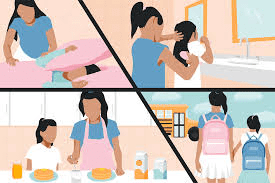
- Ndị enyi nne na nna – Parents’ friends
N’Ụlọakwụkwọ (At School)
- Onye isi ụlọakwụkwọ – School principal

- Ndị nkụzi – Teachers
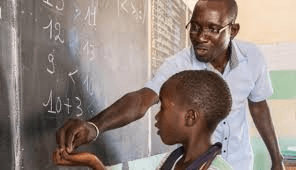
- Ndị nche ụlọakwụkwọ – School security
- Ndị ọrụ ụlọakwụkwọ – School staff
N’Obodo (In the Community)
- Ndị okenye – Elders
- Onye isi obodo – Community leader
- Ndị uwe ojii – Police officers
- Ndị dibịa – Doctors/healers
Ụzọ Ịrube isi (Ways to Show Obedience)
N’Ụlọ
- Ige ntị mgbe nne na nna na-ekwu okwu – Listen when parents speak
- Ime ihe ha gwara gị – Do what they tell you
- Ajụghị ajụjụ ọjọọ – Don’t ask bad questions
- Bịa ozugbo ha kpọrọ gị – Come immediately when called
- Inyere ha aka – Help them
N’Ụlọakwụkwọ
- Ige onye nkụzi ntị – Listen to teachers
- Bịa ụlọakwụkwọ n’oge – Come to school on time
- Ide ọrụ ụlọ – Do homework
- Soro iwu ụlọakwụkwọ – Follow school rules
- Akwanyere ndị okenye ugwu – Respect elders
Uru Nrubeisi (Benefits of Obedience)
Uru n’Ụlọ
- Ịhụnanya karịrị – More love from family
- Onyinye ọma – Good gifts
- Nchekwa – Protection
- Ngọzi – Blessings
- Udo – Peace at home
Uru n’Ụlọakwụkwọ
- Ọmụmụ ihe ọma – Good learning
- Enyi ndị ọzọ – Many friends
- Otuto – Praise from teachers
- Aga n’ihu – Progress in studies
- Aha ọma – Good reputation
Ihe Atụ (Example Story)
Emeka na Nrubeisi
Emeka bụ nwata nwere agwa ọma. Mgbe nne ya gwara ya ka ọ sachaa ụlọ, ọ mere ya ozugbo. Mgbe nna ya gwara ya ka ọ gaa zụta ihe n’ahịa, ọ gara. N’ụlọakwụkwọ, ọ na-ege onye nkụzi ntị. N’ihi nke a, onye ọbụla hụrụ Emeka n’anya.
Exercises
Exercise 1: Answer these questions
- Gịnị bụ nrubeisi? Answer: _______________
- Ndị ole anyị kwesịrị irube isi n’ụlọ? Answer: _______________
- Kedu uru nrubeisi bara? Answer: _______________
Exercise 2: Complete the sentences
- Ọ dị mma _______ nne na nna (It is good to obey parents)
- Nwata na-erube isi na-enweta _______ (An obedient child gets blessings)
- N’ụlọakwụkwọ, anyị kwesịrị _______ ndị nkụzi (At school, we should obey teachers)
- _______ na-eweta ịhụnanya (Obedience brings love)
Exercise 3: What should you do?
- When your mother calls you: _______
- When your teacher gives instruction: _______
- When your father asks you to help: _______
- When school rules say “no running”: _______
Exercise 4: True or False
- Ọ dị mma irube nne na nna isi ( )
- Nrubeisi na-eweta nsogbu ( )
- Anyị kwesịrị ige ndị nkụzi ntị ( )
- Nwata na-erube isi adịghị enweta onyinye ( )
Exercise 5: Discuss these situations
- What would you do if your parent asked you to stop playing and come inside? Answer: _______________
- How would you show obedience to your teacher during class? Answer: _______________
Class Work
Role-play different situations showing obedient and disobedient behavior. Discuss which is better and why.
Homework
- Practice being obedient to your parents for one week
- Write about a time when obedience helped you
- Ask your grandparents about the importance of obedience in Igbo culture
Teacher’s Note: Use real-life examples and encourage students to share their experiences. Emphasize that obedience should be balanced with asking questions when unsure.
First Term Igbo Lesson Notes for Other Topics

Onuogugu Bido na 1-100 (Numbers from 1-100)
Explore lesson notes covering all topics.

Mmeputa Ejije Nkenke (Formation of Simple Sentences)
Explore lesson notes covering all topics.

Mkpọọlụ na Ụbara (Consonants and Vowels)
Explore lesson notes covering all topics.
Ihuokwu na Azuokwu (Phrases and Clauses)
Explore lesson notes covering all topics.

Uru Ikpa Agwa Ọma (Benefits of Good Behavior)
Explore lesson notes covering all topics.
Ndebeiwu (Punctuation Marks)
Explore lesson notes covering all topics.
Uri/Abu (Egwu) - Songs
Explore lesson notes covering all topics.
Nri Ndị Igbo (Igbo Foods)
Explore lesson notes covering all topics.
Anụmanụ Dị Iche Iche (Different Types of Animals)
Explore lesson notes covering all topics.

Nzikorita ozi nke odinala na nke ugbua.
Explore lesson notes covering all topics.

Mmeghari Ihe Ule Tam Gara Aga
Explore lesson notes covering all topics.
Ije nkenke ekukondia hoputarakuie aghobazaa
Explore lesson notes covering all topics.

Omenala (Oru Obere na onu umuaka)
Explore lesson notes covering all topics.

Onuogugu (1 - 300)
Explore lesson notes covering all topics.
Nkejiausu (Ngwaa)
Explore lesson notes covering all topics.
Lesson Notes for Other Classes

Basic 1 Lesson Note
The complete lesson note to guide your studies.

Basic 2 Lesson Note
The complete lesson note to guide your studies.

Basic 4 Lesson Note
The complete lesson note to guide your studies.
Basic 5 Lesson Note
The complete lesson note to guide your studies.
Basic 6 Lesson Note
The complete lesson note to guide your studies.

JSS1 Lesson Note
The complete lesson note to guide your studies.