
Meaning And The Environment Basic 2 Social Studies Lesson Note
Download Lesson NoteTopic: Meaning And The Environment
Learning Objectives
By the end of this lesson, pupils should be able to:
- Explain the meaning of environment
- State types of environment
- Mention things found in our environment
What is Environment?
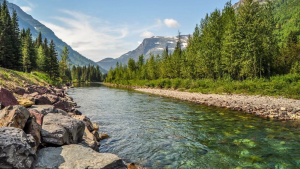
The environment is everything around us. It includes all the places where we live, play, and do our daily activities.
Simple Definition: Environment means all the things and places around us where we live and play.
Our Environment Includes:
- The air we breathe
- The water we drink
- The land where we walk
- The houses where we live
- The trees and plants around us
- The animals we see
- The people in our community
Types of Environment
1. Natural Environment
This is the environment that God created. Human beings did not make it.
Examples of Natural Environment:
- Rivers and streams – flowing water

- Mountains and hills – high land areas
- Forests – places with many trees
- Lakes and seas – large bodies of water

- Animals – lions, birds, fish, goats, etc.
- Plants and trees – mango trees, grass, flowers
- Rocks and stones – hard materials from the earth
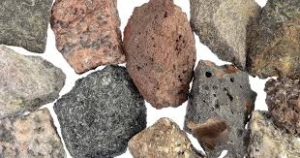
- Soil – the earth where plants grow
- Sun, moon, and stars – lights in the sky

- Rain and wind – weather conditions
Characteristics of Natural Environment:
- God made them
- They exist without human help
- Animals and plants live and grow naturally
- Weather changes naturally
- They have been there for a very long time
2. Man-Made Environment (Artificial Environment)
This is the environment that human beings created or built.
Examples of Man-Made Environment:
- Houses and buildings – where we live and work
- Schools – where we learn
- Roads and bridges – for transportation
- Cars, buses, and bicycles – for moving around
- Markets and shops – for buying and selling
- Hospitals – for treating sick people
- Churches and mosques – for worship
- Farms – where we grow crops
- Parks and playgrounds – for playing and relaxation
- Street lights – for lighting at night
Characteristics of Man-Made Environment:
- People built or created them
- They are made to make life easier
- They can be changed or removed by people
- They are found mostly in cities and towns
- They help us live more comfortably
Things Found in Our Environment
Living Things (Biotic)
These are things that are alive – they can grow, move, eat, and reproduce.
Plants:
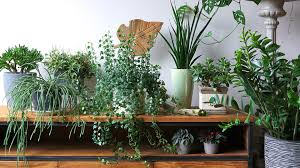
Trees (mango, orange, palm trees)
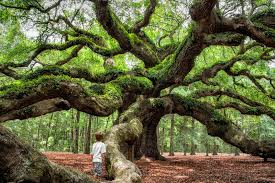
- Flowers (roses, sunflowers)
- Grass and weeds
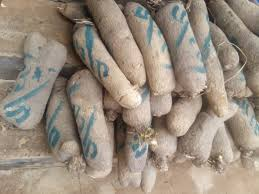
- Crops (yam, cassava, rice, corn)
- Vegetables (tomatoes, pepper, onions)
Animals:
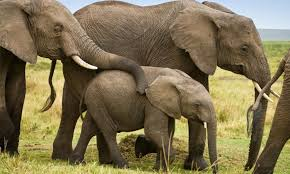
- Wild animals (lions, elephants, monkeys)
- Domestic animals (dogs, cats, goats, chickens)
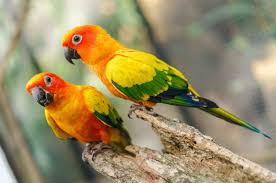
- Birds (eagles, parrots, chickens)
- Insects (butterflies, bees, ants)
- Fish (in rivers, lakes, and seas)

People:
- Family members
- Neighbors
- Friends and classmates
- Teachers and workers
- Community members
Non-Living Things (Abiotic)
These are things that are not alive – they cannot grow, move by themselves, eat, or reproduce.
Natural Non-Living Things:
- Water (rivers, rain, lakes)
- Air and wind
- Soil and rocks
- Mountains and hills
- Sun, moon, and stars
- Sand and stones
Man-Made Non-Living Things:
- Buildings and houses
- Cars and bicycles
- Tables and chairs
- Books and pencils
- Clothes and shoes
- Toys and games
How Living and Non-Living Things Work Together
Plants Need:
- Sunlight (non-living) to grow
- Water (non-living) to survive
- Soil (non-living) to get nutrients
- Air (non-living) to breathe
Animals Need:
- Plants (living) for food
- Water (non-living) to drink
- Air (non-living) to breathe
- Shelter (can be living like trees or non-living like caves)
People Need:
- Plants and animals (living) for food
- Water and air (non-living) to survive
- Houses (non-living) for shelter
- Other people (living) for friendship and help
Different Environment Settings
1. Home Environment
- Our house and compound
- Family members
- Furniture and household items
- Garden with plants
- Pets and domestic animals
2. School Environment
- School buildings and classrooms
- Teachers and students
- Books, desks, and learning materials
- School compound with trees
- Playground and sports facilities
3. Community Environment
- Houses and buildings in our area
- Roads and streets
- Markets and shops
- Churches, mosques, and community centers
- Neighbors and community members
4. Urban Environment (City)
- Many tall buildings
- Busy roads with many cars
- Large markets and malls
- Hospitals and schools
- Many people living close together
5. Rural Environment (Village)
- Few buildings, mostly houses
- Farms and farmlands
- Rivers and forests nearby
- Fewer cars, more bicycles
- People know each other well
Why Our Environment is Important
1. Provides Our Basic Needs
- Air to breathe and stay alive
- Water to drink and use for cleaning
- Food from plants and animals
- Shelter materials for building houses
2. Makes Life Enjoyable
- Beautiful places for relaxation
- Animals and plants to enjoy watching
- Clean air makes us feel good
- Nice weather for outdoor activities
3. Supports Our Activities
- Farms provide food for eating
- Rivers provide water and fish
- Forests provide wood for building
- Good environment supports our health
CLASS EXERCISE – WEEK 4
Choose the correct answer (A, B, or C):
- What is environment?
- A) Only the air we breathe
- B) Everything around us where we live
- C) Only our house
- Which is an example of natural environment?
- A) Car
- B) River
- C) School building
- Man-made environment includes:
- A) Mountains and trees
- B) Houses and roads
- C) Animals and plants
- Living things in our environment include:
- A) Rocks and water
- B) Plants and animals
- C) Cars and buildings
- Why is our environment important?
- A) It provides our basic needs
- B) It makes us sick
- C) It stops us from playing
Answers: 1-B, 2-B, 3-B, 4-B, 5-A
Second Term Social Studies Lesson Notes for Other Topics
Common Illnesses In The Community
Explore lesson notes covering all topics.
Symptoms Of Common Illnesses In The Community
Explore lesson notes covering all topics.
Causes Of Common Illness: Dysentery
Explore lesson notes covering all topics.

Prevention Of Common Diseases
Explore lesson notes covering all topics.
Meaning Of Drug Abuse
Explore lesson notes covering all topics.
Ways Of Knowing Someone Who Has Abused Drugs
Explore lesson notes covering all topics.
Effects Of Drug Abuse
Explore lesson notes covering all topics.

Meaning Of Illness
Explore lesson notes covering all topics.

How To Prevent Accidents In The School And At Home
Explore lesson notes covering all topics.
Effects Of Home And School Accidents
Explore lesson notes covering all topics.
Causes of Accidents At Home And In School
Explore lesson notes covering all topics.
Meaning Of Accidents, Causes Of Accidents At Home And School
Explore lesson notes covering all topics.

Importance Of Cleaning In Our Environment
Explore lesson notes covering all topics.
Ways Of Keeping Our Environment Clean
Explore lesson notes covering all topics.
Forms Of Greeting
Explore lesson notes covering all topics.

Lesson Notes for Other Classes
Basic 3 Lesson Note
The complete lesson note to guide your studies.

Basic 4 Lesson Note
The complete lesson note to guide your studies.
Basic 5 Lesson Note
The complete lesson note to guide your studies.

JSS1 Lesson Note
The complete lesson note to guide your studies.
JSS2 Lesson Note
The complete lesson note to guide your studies.

JSS3 Lesson Note
The complete lesson note to guide your studies.