Importance of Cleaning in Our Environment – Basic 2 Social Studies Lesson Note (Second Term)
Download Lesson NoteLesson note at a glance
- Subject
- Social Studies
- Class
- Basic 2
- Term
- Second Term
- Topic
- Importance of Cleaning in Our Environment
- Order
- Topic 5 of 9 this term
- Reading time
- 7 min
Learning Objectives
By the end of this lesson, pupils should be able to:
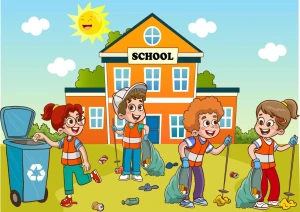
- Mention the importance of cleanliness in our environment
- Mention the effects of dirty environment
- Mention environmental activities to be carried out in our homes and schools
Why Cleanliness in Our Environment is Important
1. Health Benefits
Prevents Diseases:
- Clean environment stops the spread of germs
- Reduces malaria by eliminating stagnant water where mosquitoes breed
- Prevents cholera and typhoid from dirty water
- Stops skin diseases from dirty surroundings
- Prevents respiratory problems from dust and dirty air
Promotes Good Health:
- Clean air helps us breathe better
- Clean water keeps us healthy when we drink it
- Clean food preparation areas prevent food poisoning
- Clean living spaces help us sleep better
- Clean environment supports physical fitness
2. Social Benefits
Respect and Honor:
- People respect families and communities that are clean
- Clean homes welcome visitors comfortably
- Children from clean homes are admired in school
- Clean neighborhoods attract good neighbors
- Community leaders praise areas that are clean
Better Relationships:
- Clean environment brings people together
- Neighbors cooperate better in clean areas
- Children play happily in clean spaces
- Families bond better in clean homes
- Community unity is stronger when everyone keeps clean
3. Economic Benefits
Saves Money:
- Less medical expenses when people don’t get sick often
- Clean homes and buildings last longer, saving repair costs
- Clean areas attract businesses and create jobs
- Tourism increases in clean, beautiful places
- Property values increase in clean neighborhoods
Creates Opportunities:
- Clean markets attract more customers
- Clean schools provide better learning environment
- Clean workplaces increase productivity
- Clean recreation centers bring more visitors
4. Educational Benefits
Better Learning:
- Clean classrooms help students concentrate
- Clean schools make learning enjoyable
- Clean libraries preserve books longer
- Clean laboratories are safe for experiments
- Clean environment reduces school absenteeism
5. Environmental Protection
Protects Nature:
- Keeps rivers and streams clean for fish and animals
- Protects plants from harmful waste
- Maintains soil fertility for growing crops
- Preserves clean air for all living things
- Protects wildlife habitats
Effects of Dirty Environment
1. Health Problems
Diseases Spread Easily:
- Malaria: Dirty water creates breeding places for mosquitoes
- Cholera: Dirty water and poor sanitation spread cholera
- Typhoid: Contaminated food and water cause typhoid
- Skin infections: Dirty surroundings cause rashes and wounds
- Respiratory diseases: Dusty, dirty air causes coughing and breathing problems
Other Health Issues:
- Eye infections from dust and dirty air
- Stomach problems from contaminated food and water
- Allergies from dirty, dusty environment
- Weakened immune system from constant exposure to germs
2. Social Problems
Loss of Respect:
- People avoid dirty homes and neighborhoods
- Children from dirty homes may be isolated by others
- Communities with dirty environment lose respect
- Visitors don’t want to return to dirty places
Social Conflicts:
- Neighbors may quarrel over dirty practices
- Community members may fight over waste disposal
- Bad smell from dirty areas causes complaints
- Property disputes arise from environmental issues
3. Economic Losses
Increased Expenses:
- More money spent on medical treatment
- Higher costs to repair damage from poor maintenance
- Loss of business in dirty commercial areas
- Reduced property values in unclean neighborhoods
Lost Opportunities:
- Tourism decreases in dirty places
- Businesses relocate from dirty areas
- Employment opportunities reduce
- Investment decreases in unclean communities
4. Educational Impact
Poor Learning Environment:
- Students can’t concentrate in dirty classrooms
- High absenteeism due to environment-related illnesses
- Damaged books and learning materials
- Teachers don’t want to work in dirty schools
5. Environmental Damage
Pollution:
- Air pollution from improper waste burning
- Water pollution from improper waste disposal
- Soil pollution affecting crop growth
- Noise pollution from waste collection problems
Ecosystem Destruction:
- Animals leave polluted areas
- Plants die from contaminated soil and water
- Food chain disruption affects all living things
Environmental Activities for Homes
Daily Home Activities:
Morning Activities:
- Sweep the house and compound
- Make beds and tidy rooms
- Clean kitchen after breakfast
- Water plants and flowers
- Empty small waste bins into main dustbin
Evening Activities:
- Sweep again if necessary
- Clean kitchen after dinner
- Organize scattered items
- Prepare cleaning materials for next day
Weekly Home Activities:
General Cleaning:
- Deep clean all rooms thoroughly
- Wash all dirty clothes and bedsheets
- Clean windows, doors, and walls
- Scrub bathrooms and toilets with disinfectant
- Organize closets and storage areas
Outdoor Cleaning:
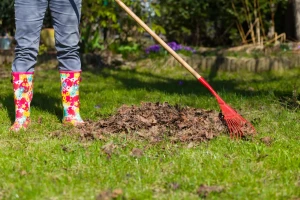
- Cut grass and trim bushes
- Clean gutters and drainages
- Sweep the compound thoroughly
- Remove weeds from garden areas
- Check and repair any damage to buildings
Monthly Home Activities:
Deep Maintenance:
- Paint walls that need touching up
- Repair broken items around the house
- Deep clean storage rooms and basements
- Check and maintain plumbing and electrical items
- Organize and declutter all rooms
Garden and Compound Care:
- Plant new flowers and replace dead plants
- Apply fertilizer to gardens
- Check fences and gates for repairs needed
- Deep clean outdoor furniture
- Maintain tools and equipment
Environmental Activities for Schools
Daily School Activities:
Classroom Activities:
- Sweep classrooms before and after school
- Clean chalkboards and whiteboards
- Arrange desks and chairs properly
- Empty waste bins regularly
- Keep learning materials organized
General School Activities:
- Sweep school compound
- Clean toilets and wash hand areas
- Water flowers and plants in school garden
- Keep playground clean and safe
- Maintain cleanliness in dining areas
Weekly School Activities:
Deep Cleaning:
- Scrub classroom floors with disinfectant
- Clean windows and doors thoroughly
- Deep clean toilets and bathrooms
- Wash school curtains and mats
- Clean library and laboratory areas
Compound Maintenance:
- Cut grass in school compound
- Trim trees and bushes
- Clean school gutters and drainages
- Paint areas that need touching up
- Repair broken playground equipment
Special School Activities:
Monthly Community Work:
- Whole school cleaning day with parents
- Tree planting ceremonies
- Environmental awareness programs
- Waste recycling projects
- School beautification projects
Seasonal Activities:
- Prepare school for rainy season (clean drainages)
- Prepare for dry season (plant drought-resistant plants)
- Pre-examination cleaning for conducive exam environment
- End-of-term deep cleaning
How to Organize Environmental Activities
At Home:
Family Involvement:
- Assign cleaning tasks to each family member
- Create a cleaning schedule for different days
- Make cleaning fun with music and games
- Reward family members who keep their areas clean
- Teach younger children how to clean properly
Planning and Organization:
- Make a list of areas that need cleaning
- Gather all needed cleaning tools before starting
- Set specific times for cleaning activities
- Check completed work to ensure it’s done well
At School:
Class Organization:
- Assign different cleaning tasks to different students
- Rotate cleaning duties weekly so everyone participates
- Create cleaning groups with group leaders
- Have a class cleaning monitor to supervise
- Reward the cleanest class each week
School-wide Programs:
- Have environmental clubs for interested students
- Organize inter-class cleaning competitions
- Invite parents for community cleaning days
- Partner with local environmental organizations
- Create environmental awareness campaigns
Teaching Children Environmental Responsibility
Leading by Example:
- Parents and teachers should always keep clean environments
- Show children how to clean properly
- Explain why each cleaning activity is important
- Be consistent in maintaining cleanliness
Making it Fun:
- Turn cleaning into games and competitions
- Sing songs while cleaning
- Tell stories about the importance of cleanliness
- Give small rewards for good environmental behavior
Building Habits:
- Start with small, manageable tasks
- Praise children when they clean without being asked
- Make cleaning part of daily routine
- Gradually increase responsibilities as children grow
Benefits of Community Environmental Activities
1. Shared Responsibility
- Everyone contributes to keeping the community clean
- Tasks are easier when shared among many people
- Children learn teamwork and cooperation
- Strong community bonds develop
2. Better Results
- More people working together achieve better results
- Large areas can be cleaned more effectively
- Community problems are solved faster
- Sustainable environmental practices develop
3. Cost Effectiveness
- Communities can share tools and resources
- Bulk buying of cleaning materials saves money
- Reduced need for external cleaning services
- Long-term savings on healthcare and repairs
Class exercise – week 6
Choose the correct answer (A, B, or C):
- What is an important benefit of environmental cleanliness?
- A) It makes us sick
- B) It prevents diseases and promotes good health
- C) It wastes our time
- What happens in a dirty environment?
- A) People become healthier
- B) Diseases spread easily
- C) Everyone becomes happy
- Which is a daily home cleaning activity?
- A) Painting the house
- B) Sweeping the house and compound
- C) Building new rooms
- What should schools do weekly for environmental cleanliness?
- A) Never clean at all
- B) Deep clean classrooms and compound
- C) Make the school dirty
- Why should the community work together for environmental cleanliness?
- A) To make more dirt
- B) To share responsibility and get better results
- C) To fight with each other
Answers: 1-B, 2-B, 3-B, 4-B, 5-B
This term's Social Studies topics
Basic 2 Second Term · 9 topics
- Meaning and Importance of Greeting
- Forms of Greeting
- Meaning and the Environment
- Ways of Keeping Our Environment Clean
- Importance of Cleaning in Our Environment
- Meaning of Accidents, Causes of Accidents at Home and School
- Causes of Accidents at Home and in School
- Effects of Home and School Accidents
- How to Prevent Accidents in the School and at Home
Second Term Social Studies Lesson Notes for Other Topics
Effects of Taking Substance into the Body
Read the full lesson note.
Meaning of Overdose
Read the full lesson note.
Overdose Effects
Read the full lesson note.

How to Help People Suffering from Food or Drug Overdose
Read the full lesson note.

Food
Read the full lesson note.

Food Safety
Read the full lesson note.

Reasons for Taking Substance into the Body
Read the full lesson note.

Resources Utilization
Read the full lesson note.

Labour and Force
Read the full lesson note.

Transport and Communication
Read the full lesson note.
Gender Discrimination
Read the full lesson note.
Group Conflict and Cooperation
Read the full lesson note.

International Organizations
Read the full lesson note.

Peace Education
Read the full lesson note.

Concepts of Drug and Drug Abuse
Read the full lesson note.
Lesson Notes for Other Classes

Basic 1 Lesson Note
The complete lesson note to guide your studies.

Basic 3 Lesson Note
The complete lesson note to guide your studies.
Basic 4 Lesson Note
The complete lesson note to guide your studies.

Basic 5 Lesson Note
The complete lesson note to guide your studies.
Basic 6 Lesson Note
The complete lesson note to guide your studies.

JSS1 Lesson Note
The complete lesson note to guide your studies.