Meaning of Accidents, Causes of Accidents at Home and School – Basic 2 Social Studies Lesson Note (Second Term)
Download Lesson NoteLesson note at a glance
- Subject
- Social Studies
- Class
- Basic 2
- Term
- Second Term
- Topic
- Meaning of Accidents, Causes of Accidents at Home and School
- Order
- Topic 6 of 9 this term
- Reading time
- 7 min
Learning Objectives
By the end of this lesson, pupils should be able to:
- Define accidents
- Mention causes of accidents in schools
- Mention causes of accidents at home
- Mention danger spots at home and in school (toilet, bathtub, kitchen, playground, etc.)
What is an Accident?
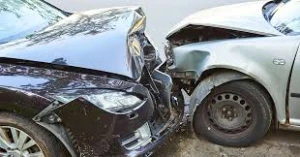
An accident is something bad that happens suddenly and unexpectedly, usually causing injury or damage.
Simple Definition: An accident is when something bad happens that we did not plan or expect, and it can hurt us or break things.
Characteristics of Accidents:
- They happen suddenly without warning
- Nobody plans for them to happen
- They can cause injury to people
- They can damage or break things
- They can happen anywhere and anytime
- They can usually be prevented if we are careful
Examples of Accidents:
- Falling down and getting hurt
- Cutting yourself with a knife
- Getting burned by hot water
- Breaking a glass and cutting your hand
- Slipping in the bathroom
- Getting hit by a ball during play
Causes of Accidents at Home
1. Poor Lighting
- Dark areas: Not enough light to see properly
- Broken bulbs: Not replacing burnt-out light bulbs
- No flashlight: During power outages
- Shadows: Areas where light is blocked
How this causes accidents:
- People bump into things they cannot see
- Fall down stairs in the dark
- Trip over objects left on the floor
- Walk into doors or walls
2. Wet and Slippery Floors
- Water spills: Not cleaning up spilled water immediately

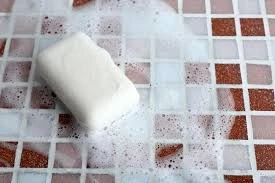
- Soap residue: Slippery soap left on bathroom floors
- Oil spills: Cooking oil spilled in kitchen
- Wet areas: Areas that stay wet after cleaning
How this causes accidents:
- People slip and fall
- Can break bones or get bruises
- Head injuries from falling backward
- Cuts from broken items when falling
3. Unsafe Storage of Dangerous Items
- Sharp objects: Knives, scissors, broken glass left where children can reach
- Hot items: Keeping hot pots and pans within reach
- Chemicals: Cleaning products, medicines not properly stored
- Small objects: Items that children can swallow
How this causes accidents:
- Children can cut themselves on sharp objects
- Burns from touching hot items
- Poisoning from drinking chemicals
- Choking on small objects
4. Electrical Problems
- Exposed wires: Electrical wires without proper covering
- Overloaded sockets: Too many plugs in one socket
- Wet hands: Touching electrical items with wet hands
- Broken appliances: Using damaged electrical equipment
How this causes accidents:
- Electrical shock that can kill
- Fires from overloaded circuits
- Burns from electrical contact
- Electrocution in water areas
5. Poor Maintenance
- Broken stairs: Steps that are loose or broken
- Damaged floors: Holes or raised areas in floors
- Loose railings: Handrails that are not secure
- Broken furniture: Chairs, tables that are not stable
How this causes accidents:
- Falling through broken steps
- Tripping over damaged floors
- Falling when railings break
- Injuries when furniture collapses
Causes of Accidents at School
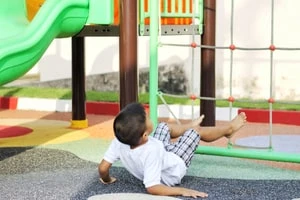
1. Unsafe Playground Equipment
- Broken swings: Swings with broken chains or seats
- Damaged slides: Slides with sharp edges or holes
- Unstable see-saws: Equipment that is not properly balanced
- Rusty equipment: Metal equipment that is old and dangerous
How this causes accidents:
- Children fall from broken equipment
- Cuts from sharp or rusty edges
- Injuries when equipment breaks during use
- Falls from unstable equipment
2. Overcrowded Classrooms
- Too many students: More children than the room can safely hold
- Blocked exits: Desks and bags blocking doorways
- Narrow spaces: Not enough room to move around safely
- Poor arrangement: Furniture not arranged for safe movement
How this causes accidents:
- Students bump into each other
- Difficulty escaping during emergencies
- Falls when trying to squeeze through tight spaces
- Injuries during rush to leave classroom
3. Unsafe Sports Activities
- No supervision: Sports activities without teacher watching
- Wrong equipment: Using damaged or inappropriate sports equipment
- Rough play: Students playing too aggressively
- Unsafe playing areas: Playing in areas not meant for sports
How this causes accidents:
- Injuries from unsupervised rough play
- Equipment-related injuries
- Collisions between students
- Falls on inappropriate surfaces
4. Poor Building Maintenance
- Broken windows: Glass that is cracked or broken
- Damaged floors: Holes, loose tiles, or uneven surfaces
- Leaky roofs: Water dripping creating slippery areas
- Broken doors: Doors that don’t open or close properly
How this causes accidents:
- Cuts from broken glass
- Falls from damaged floors
- Slips on wet areas from leaks
- Injuries from doors that slam shut
5. Inadequate Safety Measures
- No first aid kit: Nothing available to treat injuries
- No safety rules: Students don’t know how to stay safe
- Poor emergency planning: No clear plan for emergencies
- Inadequate supervision: Not enough teachers to watch students
How this causes accidents:
- Minor injuries become serious without first aid
- Students engage in dangerous behavior
- Confusion during emergencies
- Unsupervised dangerous activities
Danger Spots at Home
1. Kitchen
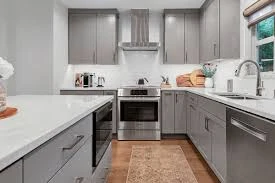
Why it’s dangerous:
- Hot stoves and ovens that can burn
- Sharp knives and kitchen tools
- Hot oil and boiling water
- Electrical appliances near water
- Slippery floors from spills
Common accidents:
- Burns from hot surfaces or liquids
- Cuts from sharp knives
- Slips and falls from wet floors
- Electrical shock from appliances
- Fire from unattended cooking
2. Bathroom

Why it’s dangerous:
- Wet, slippery floors and surfaces
- Hot water that can scald
- Electrical items near water
- Sharp edges on fixtures
- Small spaces that can cause falls
Common accidents:
- Slips and falls on wet floors
- Burns from hot water
- Electrical shock from appliances
- Head injuries from hard surfaces
- Drowning in bathtubs (especially for small children)
3. Stairs
Why it’s dangerous:
- Multiple steps to fall down
- Often poor lighting
- Items left on steps
- Loose or broken railings
- Different levels create tripping hazards
Common accidents:
- Falls down multiple steps
- Tripping over items on stairs
- Grabbing broken railings that break
- Injuries from poor visibility
- Serious injuries from long falls
4. Living Room
Why it’s dangerous:
- Sharp corners on furniture
- Glass items that can break
- Electrical cords across walkways
- Heavy furniture that can tip over
- Small objects that can cause choking
Common accidents:
- Cuts and bruises from sharp furniture corners
- Cuts from broken glass items
- Trips over electrical cords
- Injuries from falling furniture
- Choking on small decorative items
Danger Spots at School
1. Playground
Why it’s dangerous:
- High equipment children can fall from
- Hard surfaces under equipment
- Many children playing at once
- Equipment that may be broken or rusty
- Running and active play activities
Common accidents:
- Falls from swings, slides, or climbing equipment
- Collisions between running children
- Injuries from broken equipment
- Cuts and scrapes from falls
- Head injuries from hard playground surfaces
2. Classrooms
Why it’s dangerous:
- Many students in one space
- Sharp corners on desks and chairs
- Heavy items on high shelves
- Electrical equipment
- Windows and glass doors
Common accidents:
- Bumps and bruises from furniture corners
- Injuries from falling objects from shelves
- Cuts from broken glass
- Electrical accidents from equipment
- Falls from climbing on furniture
3. Laboratories (Science Rooms)
Why it’s dangerous:
- Chemicals that can burn or poison
- Glass equipment that can break
- Hot equipment and flames
- Sharp instruments
- Electrical equipment
Common accidents:
- Chemical burns or poisoning
- Cuts from broken glass
- Burns from hot equipment
- Electrical shock
- Eye injuries from chemical splashes
4. Toilets and Bathrooms
Why it’s dangerous:
- Wet, slippery floors
- Hard surfaces
- Poor ventilation sometimes
- Broken fixtures
- Privacy areas with less supervision
Common accidents:
- Slips and falls on wet floors
- Head injuries from hard surfaces
- Injuries from broken fixtures
- Accidents due to poor lighting
- Problems from lack of supervision
5. Corridors and Hallways
Why it’s dangerous:
- Many students moving at once
- Running during break times
- Wet floors from cleaning
- Obstacles like bags and equipment
- Doors opening suddenly
Common accidents:
- Collisions between students
- Falls from running on slippery floors
- Trips over obstacles
- Injuries from doors opening unexpectedly
- Stampedes during emergencies
How Danger Spots Become More Dangerous
1. Lack of Awareness
- People don’t know which areas are dangerous
- Children don’t understand the risks
- No warning signs in dangerous areas
- Adults don’t teach safety rules
2. Poor Maintenance
- Broken equipment not repaired quickly
- Cleaning not done regularly
- Safety equipment not maintained
- Warning signs not replaced when damaged
3. Overcrowding
- Too many people in dangerous areas
- Difficulty moving safely when crowded
- Hard to supervise everyone properly
- Emergency evacuation becomes difficult
4. Inadequate Supervision
- Children left alone in dangerous areas
- Adults not watching for unsafe behavior
- No one to provide immediate help when accidents happen
- Safety rules not enforced consistently
Class exercise – week 8
Choose the correct answer (A, B, or C):
- What is an accident?
- A) Something good that we plan to happen
- B) Something bad that happens suddenly and unexpectedly
- C) Something that always makes us happy
- Which can cause accidents at home?
- A) Good lighting everywhere
- B) Wet and slippery floors
- C) Keeping dangerous items safely stored
- Why is the kitchen a danger spot?
- A) It has hot stoves and sharp knives
- B) It is always very safe
- C) Nothing dangerous ever happens there
- Which is a danger spot at school?
- A) A clean, dry classroom
- B) The playground with broken equipment
- C) A well-maintained library
- What makes danger spots more dangerous?
- A) Good maintenance and supervision
- B) Poor maintenance and lack of awareness
- C) Having safety rules and warnings
Answers: 1-B, 2-B, 3-A, 4-B, 5-B
This term's Social Studies topics
Basic 2 Second Term · 9 topics
- Meaning and Importance of Greeting
- Forms of Greeting
- Meaning and the Environment
- Ways of Keeping Our Environment Clean
- Importance of Cleaning in Our Environment
- Meaning of Accidents, Causes of Accidents at Home and School
- Causes of Accidents at Home and in School
- Effects of Home and School Accidents
- How to Prevent Accidents in the School and at Home
Second Term Social Studies Lesson Notes for Other Topics

Effects of Taking Substance into the Body
Read the full lesson note.
Meaning of Overdose
Read the full lesson note.

Overdose Effects
Read the full lesson note.

How to Help People Suffering from Food or Drug Overdose
Read the full lesson note.

Food
Read the full lesson note.

Food Safety
Read the full lesson note.

Reasons for Taking Substance into the Body
Read the full lesson note.

Resources Utilization
Read the full lesson note.

Labour and Force
Read the full lesson note.

Transport and Communication
Read the full lesson note.

Gender Discrimination
Read the full lesson note.

Group Conflict and Cooperation
Read the full lesson note.

International Organizations
Read the full lesson note.

Peace Education
Read the full lesson note.

Concepts of Drug and Drug Abuse
Read the full lesson note.
Lesson Notes for Other Classes

Basic 1 Lesson Note
The complete lesson note to guide your studies.

Basic 3 Lesson Note
The complete lesson note to guide your studies.

Basic 4 Lesson Note
The complete lesson note to guide your studies.

Basic 5 Lesson Note
The complete lesson note to guide your studies.

Basic 6 Lesson Note
The complete lesson note to guide your studies.

JSS1 Lesson Note
The complete lesson note to guide your studies.