
Forms of Greeting – Basic 2 Social Studies Lesson Note (Second Term)
Download Lesson NoteLesson note at a glance
- Subject
- Social Studies
- Class
- Basic 2
- Term
- Second Term
- Topic
- Forms of Greeting
- Order
- Topic 2 of 9 this term
- Reading time
- 5 min
Learning Objectives
By the end of this lesson, pupils should be able to:
- Mention forms of greeting (kneeling, prostrating, bowing, etc.)
- Identify greeting as a way of showing respect to people
- Perform various acts or forms of greeting in their culture
Different Forms of Greeting
Greetings can be done in many different ways. Each culture has its own special way of showing respect when greeting people.
Physical Forms of Greeting
1. Kneeling
- What it means: Going down on your knees to greet
- When to do it: When greeting elders, especially in Yoruba culture
- Who does it: Mostly young people greeting older people
- How to do it: Go down on both knees, keep your head down, greet respectfully
2. Prostrating
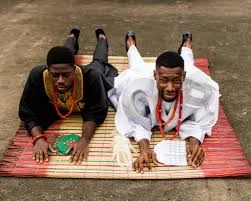
- What it means: Lying down flat on the ground
- When to do it: When greeting very important elders (especially in Yoruba culture)
- Who does it: Men and boys greeting kings, very old people, or parents
- How to do it: Lie flat on your stomach, keep your head down
3. Bowing
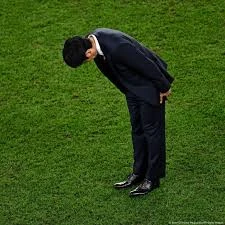
- What it means: Bending your head and body forward slightly
- When to do it: To show respect to teachers, elders, or important people
- Who does it: Everyone can bow
- How to do it: Bend your head and upper body forward a little while greeting
4. Handshaking

- What it means: Holding someone’s hand while greeting
- When to do it: Meeting new people, greeting friends, formal occasions
- Who does it: Everyone, but children use both hands for elders
- How to do it: Hold the person’s right hand with your right hand, shake gently
5. Hugging

- What it means: Putting your arms around someone
- When to do it: Greeting close family members and friends
- Who does it: Family members, close friends
- How to do it: Put your arms gently around the person for a short time
6. Waving

- What it means: Moving your hand in the air to say hello
- When to do it: When someone is far away, or casual greetings
- Who does it: Anyone can wave
- How to do it: Raise your hand and move it from side to side
Cultural Forms of Greeting
Hausa Culture:
- Men: Slight bow or handshake
- Women: Slight bow or curtsy
- Children to elders: Kneel slightly and bow head
- Special greeting: Place right hand over heart while greeting
Yoruba Culture:
- Men: Prostrate (lie down) for very important elders
- Women: Kneel on both knees for elders
- Children: Kneel for parents and elders
- Casual: Bow slightly for everyday greetings
Igbo Culture:
- Everyone: Slight bow with both hands together
- Handshake: Use both hands to hold elder’s hand
- Children: Bow head respectfully
- Special: Touch your chest with right hand while greeting
Verbal Forms of Greeting
1. Time-Based Greetings
- Morning: “Good morning”, “Ututu oma” (Igbo), “E ku aaro” (Yoruba)
- Afternoon: “Good afternoon”, “E ku osan” (Yoruba)
- Evening: “Good evening”, “E ku ale” (Yoruba)
2. Health Inquiries
- English: “How are you?”, “How is your health?”
- Hausa: “Yaya lafiya?” (How is your health?)
- Yoruba: “Bawo ni alafia?” (How is your wellbeing?)
- Igbo: “Kedu ka i mere?” (How are you doing?)
3. Family Greetings
- Asking about family: “How is your family?”, “Yaya gida?” (Hausa)
- Work greetings: “How is work?”, “How was your day?”
- Travel greetings: “Welcome back”, “How was your journey?”
Why Different Forms of Greeting Show Respect
1. Physical Respect
- When we kneel or bow, we make ourselves lower than the person
- This shows the person is more important than us
- It shows we honor and respect them
2. Cultural Respect
- Following our cultural greeting shows we value our traditions
- It shows we were taught well by our parents
- It preserves our heritage for future generations
3. Social Respect
- Different greetings for different people show we understand social order
- We greet a king differently from how we greet our friends
- It shows we know how to behave in society
Modern Forms of Greeting
In School:
- Stand up when teacher enters
- Say “Good morning/afternoon teacher”
- Bow slightly as sign of respect
At Home:
- Greet parents when waking up
- Greet when coming back from school
- Say goodnight before sleeping
With Friends:
- Wave or say hello
- High-five (slapping palms together)
- Simple handshake
When to Use Different Forms
Formal Occasions:
- Meeting important people – use proper cultural greeting
- At traditional ceremonies – follow cultural rules
- Religious gatherings – be very respectful
Casual Occasions:
- With friends – simple hello or wave
- At playground – casual greetings
- With classmates – friendly greetings
Family Occasions:
- With parents – cultural greeting (kneel/bow based on culture)
- With grandparents – very respectful greeting
- With siblings – casual but respectful
Learning to Greet Properly
Practice at Home:
- Parents should teach children proper greetings
- Practice cultural greetings daily
- Older children can teach younger ones
Practice at School:
- Teachers can demonstrate proper greetings
- Students can practice with each other
- Role-play different greeting situations
Benefits of Proper Greeting Forms
- Earns Respect: People respect children who greet properly
- Shows Good Training: Reflects well on your family
- Cultural Pride: Keeps our traditions alive
- Social Skills: Helps you fit in society
- Blessings: Elders bless well-behaved children
Class exercise – week 3
Choose the correct answer (A, B, or C):
- Which is a physical form of greeting?
- A) Kneeling and bowing
- B) Shouting at people
- C) Running away
- In Yoruba culture, women greet elders by:
- A) Standing and looking away
- B) Kneeling on both knees
- C) Turning their back
- Why do we have different forms of greeting?
- A) To confuse people
- B) To show respect and follow our culture
- C) To waste time
- When should you prostrate?
- A) When greeting your friends
- B) When greeting very important elders
- C) When playing games
- Waving is appropriate when:
- A) Someone is far away
- B) Greeting your teacher in class
- C) Meeting the king
Answers: 1-A, 2-B, 3-B, 4-B, 5-A
This term's Social Studies topics
Basic 2 Second Term · 9 topics
- Meaning and Importance of Greeting
- Forms of Greeting
- Meaning and the Environment
- Ways of Keeping Our Environment Clean
- Importance of Cleaning in Our Environment
- Meaning of Accidents, Causes of Accidents at Home and School
- Causes of Accidents at Home and in School
- Effects of Home and School Accidents
- How to Prevent Accidents in the School and at Home
Second Term Social Studies Lesson Notes for Other Topics

Effects of Taking Substance into the Body
Read the full lesson note.

Meaning of Overdose
Read the full lesson note.

Overdose Effects
Read the full lesson note.

How to Help People Suffering from Food or Drug Overdose
Read the full lesson note.

Food
Read the full lesson note.

Food Safety
Read the full lesson note.

Reasons for Taking Substance into the Body
Read the full lesson note.

Resources Utilization
Read the full lesson note.

Labour and Force
Read the full lesson note.

Transport and Communication
Read the full lesson note.
Gender Discrimination
Read the full lesson note.
Group Conflict and Cooperation
Read the full lesson note.

International Organizations
Read the full lesson note.

Peace Education
Read the full lesson note.

Concepts of Drug and Drug Abuse
Read the full lesson note.
Lesson Notes for Other Classes

Basic 1 Lesson Note
The complete lesson note to guide your studies.

Basic 3 Lesson Note
The complete lesson note to guide your studies.

Basic 4 Lesson Note
The complete lesson note to guide your studies.

Basic 5 Lesson Note
The complete lesson note to guide your studies.

Basic 6 Lesson Note
The complete lesson note to guide your studies.

JSS1 Lesson Note
The complete lesson note to guide your studies.

