Causes of Accidents at Home and in School – Basic 2 Social Studies Lesson Note (Second Term)
Download Lesson NoteLesson note at a glance
- Subject
- Social Studies
- Class
- Basic 2
- Term
- Second Term
- Topic
- Causes of Accidents at Home and in School
- Order
- Topic 7 of 9 this term
- Reading time
- 8 min
Learning Objectives
By the end of this lesson, pupils should be able to:
- Identify causes of accidents at home and in school
- Mention dangerous objects such as pins, knives, matchsticks
Review: What Causes Accidents?

Accidents happen when unsafe conditions combine with unsafe behavior. Let’s learn more about the specific things that cause accidents in our homes and schools.
Major Causes of Accidents at Home
1. Carelessness and Lack of Attention
What this means:
- Not paying attention to what we are doing
- Being in a hurry and not being careful
- Not thinking about safety before acting
- Doing things without looking properly
Examples of careless behavior:
- Running in the house without looking where you’re going
- Not watching where you step
- Leaving things scattered on the floor
- Not closing doors properly after use
- Playing while doing serious tasks
Accidents caused:
- Falling down stairs because you were running
- Stepping on sharp objects left on the floor
- Walking into doors left open
- Tripping over toys or clothes on the ground
2. Improper Use of Tools and Equipment
What this means:
- Using tools for purposes they were not made for
- Not knowing how to use things properly
- Using broken or damaged equipment
- Letting children use adult tools unsupervised
Examples:
- Using a knife to open cans instead of a can opener
- Standing on chairs instead of using a ladder
- Using electrical appliances with wet hands
- Playing with tools like hammers and screwdrivers
Accidents caused:
- Cuts from knives used wrongly
- Falls from unstable chairs
- Electrical shock from wet-hand contact
- Injuries from tools used as toys
3. Poor Storage and Organization
What this means:
- Not putting things in their proper places
- Storing dangerous items where children can reach
- Not organizing the house properly
- Leaving things in pathways and walking areas
Examples of poor storage:
- Leaving knives on counters where children can reach
- Storing medicines in easy-to-reach places
- Keeping cleaning chemicals in food containers
- Leaving toys on stairs or in hallways
Accidents caused:
- Children cutting themselves on accessible knives
- Poisoning from drinking chemicals or wrong medicines
- Confusion when chemicals are in food containers
- Falls from stepping on toys
4. Inadequate Lighting
What this means:
- Areas that are too dark to see properly
- Not having enough lights in the house
- Using the house during power outages without alternatives
- Bulbs that are burnt out and not replaced
Where lighting problems occur:
- Stairways that are dark
- Bathrooms without proper lighting
- Hallways that are poorly lit
- Outdoor areas with no lights
Accidents caused:
- Falls down dark stairs
- Slips in poorly lit bathrooms
- Walking into things in dark hallways
- Trips and falls in dark outdoor areas
Dangerous Objects at Home
1. Sharp Objects
Kitchen Knives:
- Dangers: Can cause deep cuts, heavy bleeding
- Why dangerous: Very sharp edges designed for cutting
- How accidents happen: Children playing with knives, knives left on counters, improper use
Scissors:
- Dangers: Can cut fingers, eyes, and other body parts
- Why dangerous: Sharp pointed ends and cutting edges
- How accidents happen: Running with scissors, using scissors improperly, leaving them open
Broken Glass:
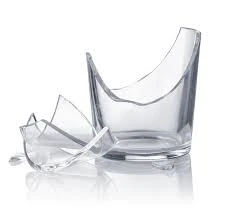
- Dangers: Can cause cuts that are hard to heal
- Why dangerous: Very sharp irregular edges
- How accidents happen: Not cleaning up broken glass immediately, walking barefoot where glass was broken
Pins and Needles:
- Dangers: Can pierce skin, eyes, can be swallowed
- Why dangerous: Very sharp points, small and easy to lose
- How accidents happen: Left in clothes, dropped on floor, children putting in mouth
Razor Blades:
- Dangers: Extremely deep cuts, severe bleeding
- Why dangerous: Designed to be very sharp
- How accidents happen: Left where children can reach, improper disposal
2. Hot Objects and Substances
Matchsticks:
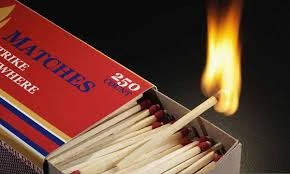
- Dangers: Fire, burns, house fires
- Why dangerous: Create fire easily
- How accidents happen: Children playing with matches, improper storage, leaving lit matches unattended
Hot Water:
- Dangers: Severe burns, scalding
- Why dangerous: Very high temperature
- How accidents happen: Testing water temperature with hands, children reaching for hot containers
Stoves and Ovens:
- Dangers: Severe burns, house fires
- Why dangerous: Very high temperatures
- How accidents happen: Touching hot surfaces, leaving food unattended, children playing near stoves
Irons:
- Dangers: Serious burns, fire if left on
- Why dangerous: Extremely hot metal surface
- How accidents happen: Touching hot iron, iron falling on people, leaving iron on fabric too long
3. Electrical Objects
Electrical Outlets:
- Dangers: Electrical shock, death
- Why dangerous: Live electrical current
- How accidents happen: Putting fingers or objects into outlets, using outlets with wet hands
Electrical Cords:
- Dangers: Electrical shock, trips and falls, fire
- Why dangerous: Carry electrical current, create obstacles
- How accidents happen: Chewing cords (babies), tripping over cords, damaged cords sparking
Electrical Appliances:
- Dangers: Electrical shock, fire, burns
- Why dangerous: Use high electrical current
- How accidents happen: Using with wet hands, using broken appliances, overloading circuits
4. Chemical Substances
Cleaning Products:
- Dangers: Poisoning, chemical burns, breathing problems
- Why dangerous: Contain strong chemicals
- How accidents happen: Drinking by mistake, mixing different chemicals, inhaling fumes
Medicines:
- Dangers: Poisoning, overdose, wrong reactions
- Why dangerous: Designed to affect body chemistry
- How accidents happen: Taking wrong medicine, taking too much, children eating medicine like candy
Pesticides and Insecticides:
- Dangers: Severe poisoning, death
- Why dangerous: Designed to kill pests, very toxic
- How accidents happen: Inhaling spray, getting on skin, accidental ingestion
Major Causes of Accidents at School
1. Unsafe Behavior During Play
Running in Inappropriate Places:
- Where: In classrooms, hallways, near stairs
- Why dangerous: Can’t stop quickly, can’t see obstacles clearly
- Accidents caused: Collisions with people or objects, falls down stairs
Rough Play:
- Examples: Fighting, pushing, throwing objects at people
- Why dangerous: Can cause serious injuries to others
- Accidents caused: Bruises, cuts, broken bones, eye injuries
Playing with School Equipment:
- Examples: Swinging from ceiling fans, climbing on desks, playing with laboratory equipment
- Why dangerous: Equipment not designed for play
- Accidents caused: Falls, equipment damage, cuts, electrical shock
2. Improper Use of School Facilities
Laboratory Misuse:
- Examples: Playing with chemicals, not following instructions, not wearing safety equipment
- Why dangerous: Chemicals and equipment are dangerous
- Accidents caused: Chemical burns, poisoning, cuts from glass, fires
Playground Misuse:
- Examples: Using equipment in wrong ways, too many children on equipment at once
- Why dangerous: Equipment has weight and usage limits
- Accidents caused: Falls, equipment breaking, collisions
Classroom Misuse:
- Examples: Standing on chairs and desks, running between tightly spaced desks
- Why dangerous: Furniture not designed for standing, tight spaces
- Accidents caused: Falls from furniture, cuts from sharp corners
3. Lack of Supervision
Unsupervised Play:
- When: During break times without teacher presence
- Why dangerous: No adult to stop dangerous behavior
- Accidents caused: Increased rough play, use of dangerous areas
Inadequate Teacher-Student Ratio:
- Problem: Too many students for teachers to watch properly
- Why dangerous: Can’t see all dangerous behavior
- Accidents caused: Accidents that could be prevented with proper supervision
4. Poor Maintenance of School Property
Broken Equipment:
- Examples: Playground equipment with missing parts, broken classroom furniture
- Why dangerous: Can break further during use
- Accidents caused: Falls, cuts, equipment collapse
Structural Problems:
- Examples: Broken windows, damaged floors, leaky roofs
- Why dangerous: Create immediate hazards
- Accidents caused: Cuts from glass, falls from floor damage, slips from water
Dangerous Objects at School
1. Sports Equipment
When Misused:
- Soccer balls: Can hit people in face or head
- Basketball hoops: Children climbing on them
- Sports sticks: Hockey sticks, cricket bats used improperly
Safety Issues:
- Equipment in poor condition
- Using equipment for wrong purposes
- Not following sports safety rules
2. Science Laboratory Equipment
Chemicals:
- Types: Acids, bases, other reactive substances
- Dangers: Burns, poisoning, fires, explosions
- How accidents happen: Mixing wrong chemicals, not following instructions
Glass Equipment:
- Types: Beakers, test tubes, microscope slides
- Dangers: Cuts from broken glass
- How accidents happen: Dropping, improper handling, breaking during use
Heat Sources:
- Types: Bunsen burners, hot plates
- Dangers: Burns, fires
- How accidents happen: Touching hot surfaces, clothing catching fire
3. Classroom Tools
Scissors and Paper Cutters:
- Dangers: Cuts to fingers and hands
- How accidents happen: Running with scissors, improper use
Staples and Paper Clips:
- Dangers: Small puncture wounds, choking if swallowed
- How accidents happen: Playing with them, throwing them
Electrical Equipment:
- Types: Projectors, computers, fans
- Dangers: Electrical shock
- How accidents happen: Touching with wet hands, damaged cords
How to Recognize Dangerous Situations
Warning Signs at Home:
- Sharp objects left within reach of children
- Wet floors without warning signs
- Electrical cords in pathways
- Strong smells from chemicals
- Items stacked unsafely
Warning Signs at School:
- Broken equipment still being used
- Overcrowded play areas
- Missing safety equipment in labs
- Poor lighting in hallways
- Wet floors without warning signs
Building Safety Awareness
For Children:
- Learn to recognize dangerous objects and situations
- Always ask adults before using unfamiliar items
- Report dangerous conditions to adults immediately
- Follow all safety rules even when alone
- Think before acting in any situation
For Adults:
- Keep dangerous items away from children
- Maintain equipment and facilities properly
- Teach children about safety regularly
- Supervise children during potentially dangerous activities
- Create and enforce safety rules
Class exercise – week 9
Choose the correct answer (A, B, or C):
- What is a major cause of accidents at home?
- A) Being careful and paying attention
- B) Carelessness and lack of attention
- C) Keeping dangerous items safely stored
- Which is a dangerous sharp object at home?
- A) Pillow
- B) Kitchen knife
- C) Soft toy
- Why are matchsticks dangerous?
- A) They are very soft
- B) They can create fire and cause burns
- C) They are too heavy
- What makes playground equipment dangerous at school?
- A) When it is well-maintained
- B) When it is broken or misused
- C) When teachers are supervising
- Which is a dangerous object in the science laboratory?
- A) Books and pencils
- B) Chemicals and glass equipment
- C) Chairs and desks
Answers: 1-B, 2-B, 3-B, 4-B, 5-B
This term's Social Studies topics
Basic 2 Second Term · 9 topics
- Meaning and Importance of Greeting
- Forms of Greeting
- Meaning and the Environment
- Ways of Keeping Our Environment Clean
- Importance of Cleaning in Our Environment
- Meaning of Accidents, Causes of Accidents at Home and School
- Causes of Accidents at Home and in School
- Effects of Home and School Accidents
- How to Prevent Accidents in the School and at Home
Second Term Social Studies Lesson Notes for Other Topics

Effects of Taking Substance into the Body
Read the full lesson note.

Meaning of Overdose
Read the full lesson note.

Overdose Effects
Read the full lesson note.

How to Help People Suffering from Food or Drug Overdose
Read the full lesson note.

Food
Read the full lesson note.

Food Safety
Read the full lesson note.

Reasons for Taking Substance into the Body
Read the full lesson note.

Resources Utilization
Read the full lesson note.

Labour and Force
Read the full lesson note.

Transport and Communication
Read the full lesson note.

Gender Discrimination
Read the full lesson note.

Group Conflict and Cooperation
Read the full lesson note.

International Organizations
Read the full lesson note.

Peace Education
Read the full lesson note.

Concepts of Drug and Drug Abuse
Read the full lesson note.
Lesson Notes for Other Classes

Basic 1 Lesson Note
The complete lesson note to guide your studies.

Basic 3 Lesson Note
The complete lesson note to guide your studies.

Basic 4 Lesson Note
The complete lesson note to guide your studies.

Basic 5 Lesson Note
The complete lesson note to guide your studies.

Basic 6 Lesson Note
The complete lesson note to guide your studies.

JSS1 Lesson Note
The complete lesson note to guide your studies.