
Swimming (Introduction And Skills) Basic 2 Physical & Health Education Lesson Note
Download Lesson NoteTopic: Swimming (Introduction And Skills)
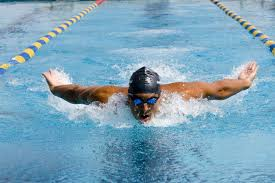
Learning Objectives
At the end of the lesson, pupils should be able to: i. Identify skills in swimming ii. Explain the skills in swimming
Introduction
Swimming is one of the most complete forms of exercise, using almost every muscle in our body. It’s also an essential life skill that can save lives in emergency situations. Today we will learn about the fundamental skills needed to become a swimmer.
Content
What is Swimming? Swimming is the ability to move through water using coordinated movements of our arms, legs, and body. It’s both a survival skill and a recreational activity that provides excellent physical exercise.
Why Swimming is Important:
- Safety: Knowing how to swim can save your life in water emergencies
- Exercise: Swimming works all major muscle groups simultaneously
- Health: Excellent cardiovascular exercise that strengthens the heart
- Low Impact: Easy on joints and suitable for people of all ages
- Fun: Provides recreation and social opportunities
- Confidence: Builds self-assurance in and around water
The Aquatic Environment: Before learning swimming skills, it’s important to understand water:
- Water supports our body weight, making us feel lighter
- Water provides resistance, which makes our muscles work harder
- Water can be dangerous if we don’t respect it and follow safety rules
- Different water environments (pools, lakes, oceans) have different challenges
Essential Swimming Skills
- Water Comfort and Confidence
Getting Used to Water:
- Face Wetting: Gradually getting comfortable with water on your face
- Breath Holding: Learning to hold breath for short periods
- Water Walking: Walking in shallow water to feel water resistance
- Bobbing: Going up and down in water while holding the pool edge
Building Water Confidence:
- Start in very shallow water where you can always stand
- Practice with a trusted adult always present
- Use positive self-talk: “I am safe, I can do this”
- Progress slowly – don’t rush to deep water
- Floating (The Foundation of Swimming)
What is Floating? Floating is staying on the surface of the water without sinking. The human body naturally wants to float because of the air in our lungs.
Back Floating Technique:
- Body Position: Lie on your back in the water like lying on a bed
- Head Position: Keep your head back with ears underwater
- Breathing: Breathe normally through your nose and mouth
- Body Alignment: Keep your body straight like a pencil
- Arm Position: Spread arms out to sides for balance
- Leg Position: Let legs float naturally, slightly apart
- Stay Relaxed: Tension makes you sink – stay calm and relaxed
Front Floating Technique:
- Body Position: Lie on your stomach facing down
- Head Position: Face down in water, holding breath
- Arm Position: Arms extended in front or out to sides
- Leg Position: Legs straight and floating behind you
- Duration: Start with short periods, gradually increase
Benefits of Floating:
- Builds confidence that water will support you
- Teaches proper body position for swimming
- Provides rest position during swimming
- Essential safety skill for water emergencies
- Breathing Techniques
Why Proper Breathing is Critical: Swimming requires coordinated breathing because your face is often in the water. Good breathing technique prevents panic and allows for efficient swimming.
Basic Breathing Skills:
- Breath Control: Learning to hold your breath comfortably for short periods
- Rhythmic Breathing: Breathing in a steady pattern while swimming
- Bubble Making: Exhaling slowly underwater through nose and mouth
- Quick Breathing: Taking fast, efficient breaths when your face is out of water
Breathing Exercises:
- Bobbing Breathing: Go underwater, blow bubbles, come up for air, repeat
- Wall Breathing: Hold pool wall, practice putting face in water and breathing
- Counting Breaths: Count how long you can comfortably hold your breath
- Kicking (Leg Movements)
What is Kicking? Kicking is the leg movement that propels you through the water. Strong, efficient kicking provides power and helps maintain proper body position.
Basic Kicking Technique:
- Leg Position: Keep legs straight but not stiff
- Hip Movement: Kicking motion starts from the hips, not just knees
- Foot Position: Keep feet relaxed and flexible, toes pointed slightly
- Water Contact: Feet should stay underwater during most of the kick
- Rhythm: Develop a steady, consistent kicking rhythm
- Strength: Start gently, gradually build power and speed
Types of Kicks:
- Flutter Kick: Alternating up-and-down leg movements (used in freestyle)
- Frog Kick: Bending knees and pushing water back with feet (used in breaststroke)
- Dolphin Kick: Both legs moving together like a fish tail (advanced skill)
- Arm Movements (Propulsion)
What are Arm Movements? Arm movements provide the main forward propulsion in most swimming strokes. Proper arm technique is essential for efficient swimming.
Basic Arm Concepts:
- Pull Phase: Pulling water backward to move your body forward
- Recovery Phase: Bringing arms back to starting position
- Hand Position: Cupping hands slightly to “catch” more water
- Coordination: Timing arm movements with breathing and kicking
Fundamental Arm Patterns:
- Windmill Motion: Arms moving in large circles (freestyle pattern)
- Simultaneous Motion: Both arms moving at the same time (breaststroke pattern)
- Alternating Motion: One arm then the other (freestyle and backstroke)
- Body Position and Coordination
Proper Body Alignment:
- Horizontal Position: Keep body parallel to water surface
- Straight Spine: Maintain good posture even in water
- Head Position: Keep head in natural alignment with spine
- Core Engagement: Use stomach muscles to maintain position
Coordination Skills:
- Timing: Coordinating arms, legs, and breathing together
- Rhythm: Maintaining consistent patterns of movement
- Balance: Keeping body stable while moving through water
- Efficiency: Using energy effectively for maximum forward movement
Progressive Skill Development
Beginner Level:
- Water comfort and basic floating
- Simple breathing exercises
- Basic kicking while holding pool edge
- Elementary arm movements on land
Intermediate Level:
- Confident floating on back and front
- Coordinated breathing with movement
- Kicking with proper technique
- Basic arm strokes combined with kicking
Advanced Level:
- Swimming short distances with proper form
- Multiple swimming strokes
- Efficient breathing patterns
- Swimming in deeper water with confidence
Land-Based Practice
Since many students may not have access to a pool, many swimming skills can be practiced on land:
Dry Land Exercises:
- Arm Stroke Practice: Practice swimming arm movements while standing
- Kicking Practice: Lie on mats and practice kicking motions
- Breathing Simulation: Practice breathing patterns and timing
- Coordination Drills: Combine arm and leg movements while lying down
- Strength Building: Exercises that build swimming muscles
Activities
- Demonstrate swimming movements using land-based practice
- Practice floating motions lying on exercise mats
- Show different kicking movements and arm patterns
- Breathing technique demonstrations and practice
- Swimming stroke simulation exercises
- Group discussions about water safety and swimming benefits
- Watch educational videos about swimming techniques
Multiple Choice Exercise
- Swimming is done in: a) Air b) Water c) Sand
- A basic skill in swimming is: a) Running b) Floating c) Jumping only
- When swimming, we breathe through our: a) Ears b) Nose and mouth c) Eyes
- Swimming helps make our: a) Body strong b) Hair long c) Voice loud
- Before swimming, we should: a) Eat a lot b) Learn safety rules c) Run very fast
Answers: 1(b), 2(b), 3(b), 4(a), 5(b)
Second Term Physical & Health Education Lesson Notes for Other Topics
Ball Games - Basketball
Explore lesson notes covering all topics.
Tennis Safety Rules
Explore lesson notes covering all topics.
Tennis
Explore lesson notes covering all topics.

Ball Games - Safety Rules in Football
Explore lesson notes covering all topics.

Game (Basketball)
Explore lesson notes covering all topics.

Game (Basketball - Identification And Bouncing)
Explore lesson notes covering all topics.

Game (Basketball - Advanced Bouncing)
Explore lesson notes covering all topics.

Game (Imitation Of Movements And Sounds)
Explore lesson notes covering all topics.

Safety In Basketball
Explore lesson notes covering all topics.

Safety Rules In Swimming
Explore lesson notes covering all topics.

Swimming (Strokes And Techniques)
Explore lesson notes covering all topics.

Recreation
Explore lesson notes covering all topics.

Gymnastics Activities With Aparatus
Explore lesson notes covering all topics.
Introduction To Directions (Four Cardinal Points)
Explore lesson notes covering all topics.
Gymnastics
Explore lesson notes covering all topics.

Lesson Notes for Other Classes
Basic 3 Lesson Note
The complete lesson note to guide your studies.

Basic 4 Lesson Note
The complete lesson note to guide your studies.
Basic 5 Lesson Note
The complete lesson note to guide your studies.
JSS1 Lesson Note
The complete lesson note to guide your studies.
JSS2 Lesson Note
The complete lesson note to guide your studies.

JSS3 Lesson Note
The complete lesson note to guide your studies.