
Game (Basketball: Advanced Bouncing) – Basic 2 Physical & Health Education Lesson Note (Second Term)
Download Lesson NoteLesson note at a glance
- Subject
- Physical & Health Education
- Class
- Basic 2
- Term
- Second Term
- Topic
- Game (Basketball: Advanced Bouncing)
- Order
- Topic 3 of 8 this term
- Reading time
- 4 min
Learning Objectives
At the end of the lesson, pupils should be able to: i. Identify basketball confidently ii. Perform advanced bouncing skills in basketball
Introduction
Building on last week’s basic bouncing skills, we will now develop more advanced dribbling techniques that will make us better basketball players. These skills require practice and patience.
Content
Review: Basketball Identification
Quick Recognition Features:
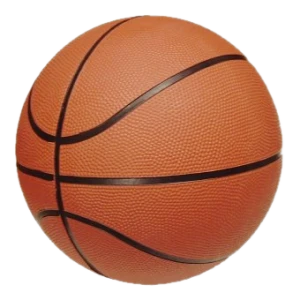
- Orange color with black curved lines
- Round shape that bounces well
- Rough texture for better grip
- Makes distinctive bouncing sound
- Perfect size for holding with two hands
Advanced Basketball Identification:
- Official size: Different sizes for different age groups
- Indoor vs. Outdoor: Indoor balls are usually leather, outdoor balls are rubber
- Quality differences: Better balls bounce more consistently
- Air pressure: Properly inflated balls bounce to about waist height when dropped
Advanced Bouncing Skills Development
- Bouncing with Movement Patterns
Forward Movement Bouncing:
- Start bouncing in place with good technique
- Take small steps forward while maintaining bounce
- Keep ball slightly ahead of your body
- Maintain eye contact forward, not down at ball
- Practice walking speed first, then increase to jogging
Backward Movement Bouncing:
- More challenging than forward bouncing
- Take small steps backward while bouncing
- Ball should stay close to your body
- Look over shoulder occasionally for safety
- Practice slowly and carefully
Sideways Movement Bouncing:
- Bounce while moving left and right
- Keep ball on the side you’re moving toward
- Use hand closest to direction of movement
- Maintain balance and control throughout movement
- Advanced Hand Techniques
Alternating Hand Bouncing:
- Bounce with right hand 5 times
- Switch ball to left hand and bounce 5 times
- Gradually reduce count: 3 times each, then 2, then 1
- Eventually bounce alternating every bounce
- This creates ambidextrous ball handling
Crossover Bouncing:
- Bounce ball from right hand to left hand in front of body
- Ball travels across your body at knee level
- Catch with opposite hand and continue bouncing
- Practice slowly first, then increase speed
- Very useful for changing directions in games
Behind-the-Back Bouncing (Advanced):
- For students showing exceptional skill
- Bounce ball from one hand to other behind your back
- Requires significant practice and coordination
- Only attempt when basic skills are mastered
- Bouncing Challenges and Games
Control Challenges:
- Statue Bouncing: Bounce while staying perfectly still
- Slow Motion: Bounce as slowly as possible while maintaining control
- Speed Bouncing: Increase bouncing speed while maintaining control
- Blind Bouncing: Close eyes and bounce using only feel
Coordination Challenges:
- Bounce and Clap: Bounce with one hand, clap with other
- Bounce and March: Bounce while marching in place
- Bounce and Count: Count out loud while bouncing
- Bounce and Sing: Bounce to the rhythm of a simple song
- Problem-Solving in Bouncing
Common Advanced Problems:
- Ball bounces away during movement: Keep ball closer, use gentler force
- Difficulty switching hands: Practice stationary switching first
- Losing rhythm during movement: Start slower, build speed gradually
- Ball hits feet while moving: Bounce slightly in front of feet
- Getting tired quickly: Take breaks, build endurance gradually
- Team Bouncing Activities
Partner Bouncing:
- Two students bounce balls while facing each other
- Mirror each other’s movements
- Pass balls to each other while bouncing
- Create synchronized bouncing patterns
Group Bouncing Patterns:
- Entire class bounces in rhythm together
- Create bouncing “waves” across the group
- Bouncing follow-the-leader games
- Group bouncing while moving in formations
Building Basketball Confidence: Advanced bouncing skills build confidence because:
- Students feel more in control of the ball
- Movements become more natural and automatic
- Students can focus on other aspects of the game
- Skills transfer to actual basketball games
- Creates foundation for learning other basketball skills
Assessment Criteria for Advanced Bouncing:
- Can identify basketball quickly among other balls
- Bounces ball consistently while standing still
- Bounces ball while walking forward
- Can switch hands during bouncing
- Maintains control during bouncing challenges
- Shows improvement in coordination and confidence
Activities
- Advanced basketball identification challenges
- Individual practice of movement bouncing patterns
- Partner bouncing games and synchronized activities
- Obstacle course bouncing challenges
- Advanced bouncing skill assessments
- Group bouncing patterns and formations
- Creative bouncing games with music and rhythm
Multiple Choice Exercise
- The color of a basketball is usually: a) Blue b) Orange c) Green
- Good bouncing requires: a) Practice b) No effort c) Sleeping
- When bouncing, the ball should: a) Stay in one place b) Come back to your hand c) Roll away
- Bouncing helps improve our: a) Voice b) Hand-eye coordination c) Hair
- We can bounce a basketball on: a) Water b) The ground c) Air only
Answers: 1(b), 2(a), 3(b), 4(b), 5(b)
This term's Physical & Health Education topics
Basic 2 Second Term · 8 topics
Second Term Physical & Health Education Lesson Notes for Other Topics
Games - Basic Skills in Ball Games
Read the full lesson note.
Games (Local Games)
Read the full lesson note.
Safety Rules in Football Games
Read the full lesson note.
Swimming (Aquatic)
Read the full lesson note.
Revision
Read the full lesson note.
Revision II
Read the full lesson note.
Safety Rules in Swimming
Read the full lesson note.
Ball Games - Basketball
Read the full lesson note.

Ball Games - Football
Read the full lesson note.
Ball Games - Safety Rules in Football
Read the full lesson note.

Tennis
Read the full lesson note.

Recreation
Read the full lesson note.

Gymnastics with Apparatus
Read the full lesson note.
Gymnastics
Read the full lesson note.

Physical Fitness Cont'd
Read the full lesson note.
Lesson Notes for Other Classes

Basic 1 Lesson Note
The complete lesson note to guide your studies.

Basic 3 Lesson Note
The complete lesson note to guide your studies.

Basic 4 Lesson Note
The complete lesson note to guide your studies.

Basic 5 Lesson Note
The complete lesson note to guide your studies.
Basic 6 Lesson Note
The complete lesson note to guide your studies.

JSS1 Lesson Note
The complete lesson note to guide your studies.

