Game (Imitation of Movements and Sounds) – Basic 2 Physical & Health Education Lesson Note (Second Term)
Download Lesson NoteLesson note at a glance
- Subject
- Physical & Health Education
- Class
- Basic 2
- Term
- Second Term
- Topic
- Game (Imitation of Movements and Sounds)
- Order
- Topic 4 of 8 this term
- Reading time
- 4 min
Learning Objectives
At the end of the lesson, pupils should be able to: i. Imitate movements and sounds made by people ii. Imitate movements and sounds made by animals iii. Imitate movements and sounds made by machines around them
Introduction
Imitation is a wonderful way to exercise, learn, and have fun. By copying the movements and sounds of people, animals, and machines, we develop creativity, coordination, and understanding of the world around us.
Content
The Art and Science of Imitation

What is Imitation? Imitation is carefully observing and then copying the movements, sounds, and behaviors we see and hear. It’s one of the most natural ways humans learn and one of the most enjoyable forms of exercise.
Why Imitation is Important for Physical Development:
- Develops observation skills and attention to detail
- Improves body awareness and control
- Enhances creative expression and imagination
- Provides varied physical exercise for different muscle groups
- Builds confidence in movement and performance
- Teaches us about different creatures and objects in our world
Part A: Imitating People
Understanding Human Movement Patterns: People move in many different ways depending on what they’re doing. By imitating these movements, we exercise different parts of our body and learn about various activities.
Categories of People to Imitate:
- Work-Related Movements:
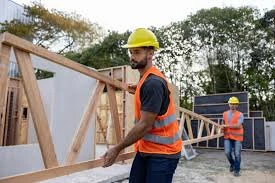
- Construction Worker: Hammering with strong up-and-down arm movements, “bang, bang, bang”
- Baker: Kneading dough with pushing and folding arm motions, mixing sounds

- Teacher: Writing on board with arm movements, “scribble, scribble”
- Doctor: Gentle examination movements, stethoscope listening sounds
- Farmer: Digging and planting motions, “dig, dig, plant, plant”

- Daily Activity Movements:
- Walking: Various speeds and styles – fast, slow, tiptoeing
- Cleaning: Sweeping with “swish, swish,” mopping with back-and-forth motions
- Cooking: Stirring with circular arm movements, “stir, stir, stir”

- Dancing: Rhythmic body movements with happy expressions
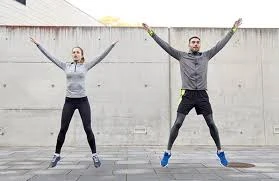
- Exercise: Jumping jacks, stretching, running in place
- Emotional Expression Movements:
- Happy Person: Jumping, clapping, laughing “ha, ha, ha”
- Sad Person: Slow movements, wiping eyes, “boo, hoo” sounds
- Surprised Person: Quick backward step, hands to face, “oh my!”
- Tired Person: Slow, heavy movements, yawning sounds
Part B: Imitating Animals
Understanding Animal Behavior: Animals have evolved specific ways of moving that help them survive. By imitating animals, we learn about nature and exercise our bodies in diverse ways.
Land Animals:
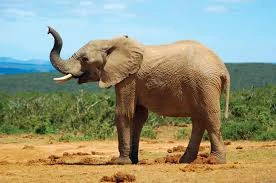
- Elephant: Heavy, slow walking with arm swinging like trunk, deep “trumpet” sounds
- Monkey: Quick, agile movements, swinging arms, chattering “ooh, ooh, ahh, ahh”

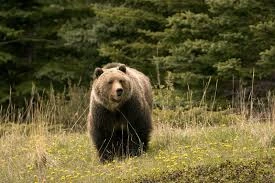
- Bear: Walking on hands and feet, slow and powerful, deep “growl” sounds
- Rabbit: Hopping with both feet together, twitching nose, quiet sounds
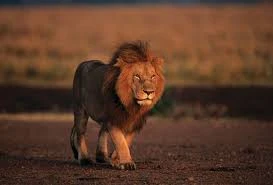
- Lion: Prowling movements, stretching, mighty “ROAR” sounds
Flying Animals:
- Bird: Flapping arms like wings, light stepping, “tweet, chirp, chirp”
- Butterfly: Graceful, floating arm movements, silent and beautiful
- Bee: Quick, buzzing movements, “buzz, buzz, buzz” while moving arms rapidly
Water Animals:
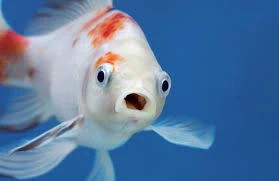
- Fish: Swimming motions with arms, opening and closing mouth silently
- Frog: Hopping and jumping, “ribbit, ribbit” croaking sounds
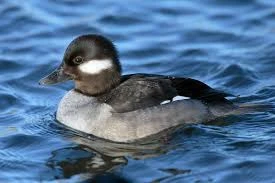
- Duck: Waddling walk, flapping motions, “quack, quack” sounds
Part C: Imitating Machines
Understanding Mechanical Movement: Machines help humans do work more easily. Each machine has its own special way of moving and unique sounds.
Transportation Machines:
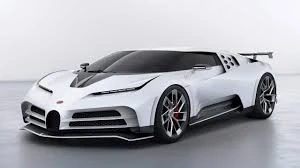
- Car: Moving forward with steering motions, “vroom, vroom” engine sounds
- Train: Moving in straight line with arm motions like wheels, “choo, choo, chug, chug”
- Airplane: Arms extended like wings, running and tilting, “zoom, whoosh” sounds

- Motorcycle: Leaning and turning motions, loud “vroom, vroom” sounds
Household Machines:
- Washing Machine: Shaking and rotating body, “whirr, whirr, splash” sounds
- Vacuum Cleaner: Pushing forward and back, “vrrrr, whoosh” suction sounds

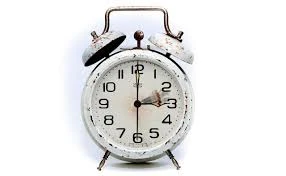
- Clock: Precise, rhythmic movements, “tick, tock, tick, tock” sounds
- Blender: Spinning and shaking motions, “whirr, buzz” sounds
Work Machines:
- Bulldozer: Slow, powerful pushing motions, “rumble, rumble” sounds
- Crane: Lifting and lowering arm movements, mechanical sounds
- Lawn Mower: Back and forth walking, “putt, putt, putt” engine sounds
Advanced Imitation Techniques
- Combination Imitations:
- Imitate a person riding a horse (person + animal)
- Imitate a farmer driving a tractor (person + machine)
- Create stories using multiple imitations in sequence
- Group Imitation Activities:
- Farm Scene: Some students are animals, others are farmers and machines
- Zoo Visit: Students take turns being different zoo animals
- Transportation Hub: Airport, train station, or bus terminal scene
- Seasonal and Themed Imitations:
- Rainy Day: Imitate umbrellas, raindrops, people running for shelter
- Jungle Adventure: Various jungle animals and exploration sounds
- City Life: Traffic, construction, people hurrying to work
Benefits of Comprehensive Imitation Practice:
- Physical Development: Uses all major muscle groups through varied movements
- Cognitive Development: Improves memory, observation, and categorization skills
- Social Development: Encourages cooperation and group participation
- Emotional Development: Builds confidence and self-expression
- Cultural Learning: Teaches about different occupations, animals, and technology
Activities
- Individual practice of each imitation category
- Group guessing games with detailed imitations
- Storytelling sessions using multiple imitations
- Imitation parades with different themes
- Partner activities where one leads, one follows
- Creative drama activities incorporating all types of imitation
- Assessment activities where students demonstrate mastery of various imitations
Multiple Choice Exercise
- When we copy someone’s actions, we: a) Sleep b) Imitate c) Eat
- An elephant makes this sound: a) Meow b) Bark c) Trumpet
- A motorcycle makes this sound: a) Vroom vroom b) Tick tock c) Ring ring
- A frog moves by: a) Flying b) Hopping c) Swimming only
- Imitating helps us to: a) Be creative b) Be sad c) Be angry
Answers: 1(b), 2(c), 3(a), 4(b), 5(a)
This term's Physical & Health Education topics
Basic 2 Second Term · 8 topics
Second Term Physical & Health Education Lesson Notes for Other Topics
Games - Basic Skills in Ball Games
Read the full lesson note.
Games (Local Games)
Read the full lesson note.
Safety Rules in Football Games
Read the full lesson note.
Swimming (Aquatic)
Read the full lesson note.
Revision
Read the full lesson note.
Revision II
Read the full lesson note.
Safety Rules in Swimming
Read the full lesson note.
Ball Games - Basketball
Read the full lesson note.

Ball Games - Football
Read the full lesson note.
Ball Games - Safety Rules in Football
Read the full lesson note.

Tennis
Read the full lesson note.

Recreation
Read the full lesson note.

Gymnastics with Apparatus
Read the full lesson note.
Gymnastics
Read the full lesson note.

Physical Fitness Cont'd
Read the full lesson note.
Lesson Notes for Other Classes

Basic 1 Lesson Note
The complete lesson note to guide your studies.
Basic 3 Lesson Note
The complete lesson note to guide your studies.

Basic 4 Lesson Note
The complete lesson note to guide your studies.
Basic 5 Lesson Note
The complete lesson note to guide your studies.
Basic 6 Lesson Note
The complete lesson note to guide your studies.

JSS1 Lesson Note
The complete lesson note to guide your studies.