
Safety Rules In Swimming Basic 2 Physical & Health Education Lesson Note
Download Lesson NoteTopic: Safety Rules In Swimming
Learning Objectives
At the end of the lesson, pupils should be able to:
- State the safety rules in swimming
- Explain the safety rules in swimming
Introduction
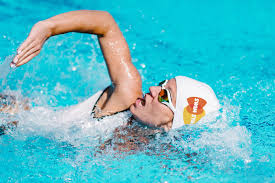
Swimming safety is one of the most important topics we can learn. Water can be dangerous, and drowning accidents happen quickly and silently. Following swimming safety rules can save lives and prevent tragic accidents.
Content
The Critical Nature of Swimming Safety
Why Swimming Safety is Life-or-Death Important:
- Drowning is a leading cause of accidental death, especially for children
- Drowning can happen in as little as 2-3 minutes and in very shallow water
- Most drowning victims are found within 10-25 yards of safety
- Many drowning incidents are preventable through proper safety knowledge
- Good safety habits must become automatic responses
Essential Swimming Safety Rules
- Supervision and Never Swimming Alone
The Buddy System:
- Never swim alone: Always swim with at least one other person who can swim well
- Adult supervision: Children should always have a responsible adult watching
- Stay close: Swim where your supervisor can easily reach you
- Constant watch: Supervisors should watch continuously, not read or use phones
- Emergency skills: Supervisors should know basic rescue and first aid
Choosing Safe Swimming Companions:
- Swim with people who are good swimmers
- Make sure someone knows CPR and rescue techniques
- Tell others where you’re going swimming and when you’ll return
- Never rely on weak swimmers to help in emergencies
- Swimming Environment Safety
Safe Swimming Locations:
- Public pools: With lifeguards on duty and safety equipment available
- Designated beaches: With lifeguard supervision and marked safe areas
- Supervised facilities: Swimming areas with trained safety personnel
- Shallow, known areas: Places where you know the depth and conditions
Dangerous Swimming Locations to Avoid:
- Rivers and streams: Fast currents, hidden obstacles, changing depths
- Ponds and quarries: Unknown depths, cold water, possible contamination
- Ocean areas: Strong currents, waves, marine life, changing conditions
- Private pools: Without safety equipment or trained supervision
- Any water during storms: Lightning, strong winds, poor visibility
- Personal Swimming Ability Assessment
Know Your Swimming Level:
- Beginner: Can float and move short distances, stays in shallow water
- Intermediate: Can swim 25-50 yards, comfortable in deeper water
- Advanced: Strong swimmer, can help others, knows rescue techniques
Stay Within Your Abilities:
- Don’t swim in water deeper than your skill level
- Don’t attempt distances beyond your endurance
- Don’t try advanced techniques without proper instruction
- Always have an escape plan to get back to safety
- Water Entry Safety
Safe Ways to Enter Water:
- Walk in slowly: From shallow areas, testing depth as you go
- Sit and slide: From pool edges, feet first into known depths
- Jump feet first: Only into known deep water, arms at sides
- Wade carefully: Test each step for depth and obstacles
Dangerous Water Entry (Never Do These):
- Diving headfirst: Into unknown or shallow water – can cause paralysis
- Running and jumping: Into unknown depths or crowded areas
- Jumping from heights: Bridges, cliffs, or tall structures
- Entering rough water: Waves, currents, or choppy conditions
- In-Water Safety Rules
While Swimming:
- Stay in designated areas: Don’t go beyond ropes or boundaries
- Check surroundings: Constantly be aware of depth, other swimmers, conditions
- Rest when tired: Don’t push beyond your endurance limits
- Call for help early: Don’t wait until you’re in serious trouble
Warning Signs to Exit Water Immediately:
- Feeling very tired or short of breath
- Muscle cramps or pain
- Feeling cold or shivering uncontrollably
- Dizziness or confusion
- Any sign of bad weather approaching
- Emergency Recognition and Response
Recognizing Drowning:
- Silent emergency: Drowning people often can’t call for help
- Vertical position: Body upright in water, not horizontal swimming position
- Head tilted back: Mouth barely above water, gasping for air
- No forward progress: Unable to move toward safety
- Glassy, empty eyes: Look of panic or unconsciousness
What to Do in Swimming Emergencies:
- Call for help immediately: Yell for lifeguards, adults, or emergency services
- Don’t become a victim: Don’t jump in to save someone unless trained
- Throw, don’t go: Throw flotation devices, ropes, or extending objects
- Find trained help: Get lifeguards, trained swimmers, or emergency responders
- Learn CPR: Eventually learn cardiopulmonary resuscitation techniques
- Pool-Specific Safety Rules
Pool Deck Safety:
- Walk, don’t run: Pool decks are slippery when wet
- No pushing: Never push people into pools, even as a joke
- Check depth: Always know how deep the water is before entering
- Pool rules: Follow all posted rules and lifeguard instructions
Pool Equipment Safety:
- Use safety equipment: Life jackets, floaties for non-swimmers
- Check equipment: Make sure safety gear is in good condition
- Pool maintenance: Report broken drains, sharp edges, or other hazards
- Chemical safety: Stay away from pool cleaning chemicals
- Open Water Safety (Lakes, Rivers, Ocean)
Additional Open Water Hazards:
- Currents and undertow: Can pull swimmers away from shore
- Marine life: Jellyfish, fish, or other potentially dangerous creatures
- Water temperature: Cold water can cause shock and hypothermia
- Visibility: Murky water hides obstacles and makes rescue difficult
- Weather changes: Storms can develop quickly over open water
- Swimming Health and Physical Safety
Physical Preparation:
- Don’t swim when sick: Illness affects swimming ability and judgment
- Avoid swimming after eating: Wait 30-60 minutes after large meals
- Stay hydrated: Drink water even when swimming
- Sun protection: Use sunscreen, wear hats, take shade breaks
- Know medical conditions: Inform supervisors of any health issues
- Teaching Water Safety to Others
Being a Safety Leader:
- Set good examples: Always follow safety rules yourself
- Help younger children: Teach safety rules to brothers, sisters, friends
- Speak up: Don’t be afraid to remind others about safety
- Learn rescue skills: Take swimming and safety classes as you grow older
Creating a Safety Culture:
- Make safety “cool” and important, not something to ignore
- Celebrate good safety decisions
- Never tease people for being cautious about water safety
- Help others learn to swim and be safe around water
Activities
- Detailed discussion of each swimming safety rule with real-life examples
- Role-play scenarios demonstrating safe vs. unsafe swimming behaviors
- Emergency response practice and safety signal learning
- Create swimming safety posters and awareness materials
- Practice safety equipment identification and use
- Group discussions about local swimming areas and their safety features
Multiple Choice Exercise
- Children should swim: a) Alone b) With an adult c) At night only
- Around the pool, we should: a) Run fast b) Walk carefully c) Jump everywhere
- If you can’t swim well, stay in: a) Deep water b) Shallow water c) Any water
- Before going into water, we should: a) Eat immediately b) Warm up c) Sleep
- If someone is drowning, we should: a) Jump in immediately b) Call for help from an adult c) Ignore them
Answers: 1(b), 2(b), 3(b), 4(b), 5(b)
Second Term Physical & Health Education Lesson Notes for Other Topics
Ball Games - Basketball
Explore lesson notes covering all topics.
Tennis Safety Rules
Explore lesson notes covering all topics.
Tennis
Explore lesson notes covering all topics.

Ball Games - Safety Rules in Football
Explore lesson notes covering all topics.

Game (Basketball)
Explore lesson notes covering all topics.

Game (Basketball - Identification And Bouncing)
Explore lesson notes covering all topics.

Game (Basketball - Advanced Bouncing)
Explore lesson notes covering all topics.

Game (Imitation Of Movements And Sounds)
Explore lesson notes covering all topics.

Safety In Basketball
Explore lesson notes covering all topics.
Swimming (Introduction And Skills)
Explore lesson notes covering all topics.

Swimming (Strokes And Techniques)
Explore lesson notes covering all topics.

Recreation
Explore lesson notes covering all topics.

Gymnastics Activities With Aparatus
Explore lesson notes covering all topics.
Introduction To Directions (Four Cardinal Points)
Explore lesson notes covering all topics.
Gymnastics
Explore lesson notes covering all topics.

Lesson Notes for Other Classes
Basic 3 Lesson Note
The complete lesson note to guide your studies.

Basic 4 Lesson Note
The complete lesson note to guide your studies.
Basic 5 Lesson Note
The complete lesson note to guide your studies.

JSS1 Lesson Note
The complete lesson note to guide your studies.

JSS2 Lesson Note
The complete lesson note to guide your studies.

JSS3 Lesson Note
The complete lesson note to guide your studies.