
Some Nigerian Peoples – Southern Nigeria Basic 4 Nigerian History Lesson Note
Download Lesson NoteTopic: Some Nigerian Peoples – Southern Nigeria
Major Ethnic Groups in Southern Nigeria
- YORUBA
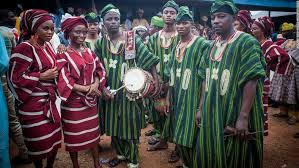
Where they live: Southwest Nigeria
Main states: Lagos, Ogun, Oyo, Osun, Ondo, Ekiti, parts of Kwara and Kogi
What makes them special:
- One of the three largest ethnic groups in Nigeria
- Speak Yoruba language
- Mostly Christians and traditional believers
- Have traditional rulers called Obas
- Rich culture with beautiful art and music
Their occupations:
- Cocoa farming (main cash crop)
- Trading and business
- Arts and crafts (wood carving, weaving, pottery)
- Professional jobs (doctors, lawyers, teachers)
Famous for:
- Yoruba traditional religion and festivals
- Beautiful bronze and wood art
- Talking drums and music
- Rich cultural traditions
- EDO

Where they live: Edo State (South-South Nigeria)
Main city: Benin City
What makes them special:
- Ancient Benin Kingdom with over 600 years of history
- Speak Edo language
- Have the Oba of Benin as traditional ruler
- Famous for bronze and brass art
- Mix of Christians and traditional believers
Their occupations:
- Rubber farming and palm oil production
- Wood carving and bronze casting
- Trading and business
- Crafts and traditional arts
Famous for:
- Benin bronzes (world-famous art)
- Ancient civilization and culture
- Traditional architecture
- Rich historical heritage
- ITSEKIRI
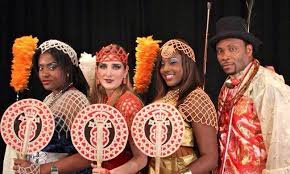
Where they live: Delta State (coastal areas)
Main city: Warri
What makes them special:
- Coastal people living near the sea
- Speak Itsekiri language (related to Yoruba)
- Traditionally fishermen and traders
- Have an Olu (king) as traditional ruler
- Mix of Christians and traditional believers
Their occupations:
- Fishing and seafood business
- Oil and gas industry work
- Trading (especially in coastal trade)
- Boat building and water transport
Famous for:
- Maritime culture and fishing skills
- Traditional boat building
- Coastal trading expertise
- Rich cultural festivals
- EFIK

Where they live: Cross River State (South-South Nigeria)
Main city: Calabar
What makes them special:
- Coastal people in the southeast
- Speak Efik language
- Early contact with Europeans through trade
- Known for education and culture
- Mostly Christians
Their occupations:
- Fishing and aquaculture
- Palm oil production
- Trading and business
- Education (teachers and professionals)
Famous for:
- Calabar Carnival (famous festival)
- Educational advancement (early schools)
- Cultural dances and music
- Historical slave trade ports
- IBIBIO

Where they live: Akwa Ibom State (South-South Nigeria)
Main city: Uyo
What makes them special:
- Related to Efik people
- Speak Ibibio language
- Coastal and inland communities
- Mostly Christians and traditional believers
- Known for farming and fishing
Their occupations:
- Fishing (coastal communities)
- Palm oil and palm kernel production
- Yam and cassava farming
- Raffia palm crafts and weaving
Famous for:
- Traditional masks and art
- Cultural festivals and dances
- Basket weaving and crafts
- Agricultural skills
- ISOKO
Where they live: Delta State (South-South Nigeria)
Main towns: Oleh, Ozoro
What makes them special:
- Related to other Delta peoples
- Speak Isoko language
- Mostly Christians and traditional believers
- Known for farming and fishing
- Rich cultural traditions
Their occupations:
- Cassava and yam farming
- Palm oil production
- Fishing in rivers and creeks
- Trading in local markets
Famous for:
- Traditional wrestling and sports
- Cultural festivals
- Agricultural products
- Community cooperation
- IJAW
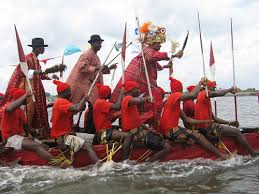
Where they live: Niger Delta region (Rivers, Bayelsa, Delta States)
Main cities: Yenagoa, Port Harcourt areas
What makes them special:
- Largest ethnic group in the Niger Delta
- Speak various Ijaw dialects
- Riverine people living in creeks and islands
- Masters of water transportation
- Mix of Christians and traditional believers
Their occupations:
- Fishing (expert fishermen)
- Canoe making and boat building
- Palm oil and palm wine production
- Oil industry jobs (in modern times)
Famous for:
- Canoe culture and water skills
- Traditional fishing methods
- Stilt houses built over water
- Rich aquatic environment knowledge
What These Southern Groups Share
Similarities:
- Live in forest and coastal areas
- Many practice fishing and farming
- Rich cultural traditions
- Have traditional rulers (Obas, Obi, Olu)
- Mostly Christians with some traditional beliefs
- Known for arts and crafts
Differences:
- Different languages and dialects
- Different main occupations
- Different traditional foods and festivals
- Different geographic environments
- Different historical experiences
North vs South Comparison
Northern Peoples:
- Mostly farmers and cattle rearers
- Many Muslims and traditional believers
- Savanna and grassland environment
- Emirs and traditional rulers
- Arabic influence in culture
Southern Peoples:
- Farmers, fishermen, and traders
- Mostly Christians and traditional believers
- Forest and coastal environment
- Obas, Obi, and traditional rulers
- European influence through coastal trade
Benefits of Nigeria’s Diversity
What We Gain:
- Different skills and knowledge
- Various foods and cuisines
- Rich festivals and celebrations
- Different arts and crafts
- Many languages and stories
- Cultural exchange and learning
Unity in Diversity:
- One Nigeria with many peoples
- Respect for all cultures
- Learn from each other
- Work together for progress
- Celebrate our differences
Exercises
- Fill in the blanks:
- The Yoruba people live in _______ Nigeria
- _______ people are famous for Benin bronzes
- The Ijaw are the largest group in the _______ Delta
- _______ people are known for the Calabar Carnival
- True or False:
- Yoruba is one of Nigeria’s three largest ethnic groups ( )
- Edo people live in Delta State ( )
- Ijaw people are expert fishermen ( )
- Itsekiri people live near the coast ( )
- Match the ethnic group with their main state:
- Yoruba → Lagos, Oyo, Osun
- Edo → Edo State
- Efik → Cross River State
- Ibibio → Akwa Ibom State
- Circle the coastal/riverine peoples:
- Yoruba
- Itsekiri
- Edo
- Efik
- Ibibio
- Ijaw
- What are these groups famous for?
- Yoruba: _______ and _______
- Edo: _______ and _______
- Ijaw: _______ and _______
- Efik: _______ and _______
- Which ethnic group is found in each area?
- Southwest Nigeria: _______
- Benin City: _______
- Niger Delta: _______
- Calabar: _______
- What do southern peoples mostly practice?
- a) Islam only
- b) Traditional religion only
- c) Christianity and traditional beliefs
- d) No religion
- Compare North and South:
- Northern peoples are mostly: _______
- Southern peoples are mostly: _______
- Northern environment: _______
- Southern environment: _______
- Short Answer:
- Name 3 ethnic groups from Southern Nigeria
- What makes the Ijaw people special?
- Why is Nigeria’s diversity good?
- How are northern and southern peoples different?
- Complete the benefits of diversity:
- We learn _______ skills and knowledge
- We enjoy _______ foods and festivals
- We have _______ arts and crafts
- We speak _______ languages
Answer Key:
- Southwest, Edo, Niger, Efik
- True, False (Edo State), True, True
- Matching as shown above
- Circle: Itsekiri, Efik, Ibibio, Ijaw
- Art/music, Bronzes/carving, Fishing/canoes, Carnival/education
- Yoruba, Edo, Ijaw, Efik
- c) Christianity and traditional beliefs
- farmers/herders, farmers/fishermen, savanna, forest/coastal
- Any 3 from lesson / Expert fishermen and canoe makers / Learn from different cultures / Different environments and occupations
- different, various, different, many
Third Term Nigerian History Lesson Notes for Other Topics

History Of Lagos State III - Division of Lagos State
Explore lesson notes covering all topics.

History Of Lagos State IV - Governors of Lagos State Since Creation
Explore lesson notes covering all topics.

Major Title -Holders In The State: Idejo Chief, White Cap Chief
Explore lesson notes covering all topics.

History Of Lagos State II
Explore lesson notes covering all topics.

History Of Lagos State
Explore lesson notes covering all topics.

Adjective And Adverb Puzzles
Explore lesson notes covering all topics.

Nigerian Independence Republic And Federation
Explore lesson notes covering all topics.

Christianity In Nigeria
Explore lesson notes covering all topics.

Traditional Occupations In The Locality-Lagos State
Explore lesson notes covering all topics.

Traditional Occupations Of Nigerian People Northern Nigeria
Explore lesson notes covering all topics.

Traditional Religion In Nigeria
Explore lesson notes covering all topics.

Islam In Nigeria
Explore lesson notes covering all topics.

Traditional Occupations Of Nigerian People Southern Nigeria
Explore lesson notes covering all topics.
Nigerian Independence
Explore lesson notes covering all topics.

Heroes in Nigeria Environment
Explore lesson notes covering all topics.

Lesson Notes for Other Classes

Basic 2 Lesson Note
The complete lesson note to guide your studies.
Basic 3 Lesson Note
The complete lesson note to guide your studies.
Basic 5 Lesson Note
The complete lesson note to guide your studies.

JSS1 Lesson Note
The complete lesson note to guide your studies.
JSS2 Lesson Note
The complete lesson note to guide your studies.
JSS3 Lesson Note
The complete lesson note to guide your studies.