
Some Nigerian Peoples – Northern Nigeria Basic 4 Nigerian History Lesson Note
Download Lesson NoteTopic: Some Nigerian Peoples – Northern Nigeria
What are Ethnic Groups?
Ethnic groups are people who share:
- Same language or similar languages
- Same culture and traditions
- Same customs and beliefs
- Live in the same area together
- Feel they belong to the same family
Nigeria has over 250 ethnic groups – that’s why we say Nigeria is diverse!
Major Ethnic Groups in Northern Nigeria
- HAUSA-FULANI
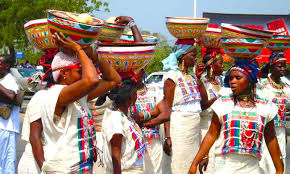
Where they live: All over Northern Nigeria (largest group)
Main areas: Kano, Katsina, Kaduna, Sokoto, Zamfara, Kebbi
What makes them special:
- Largest ethnic group in Northern Nigeria
- Two groups that came together: Hausa (farmers) and Fulani (cattle rearers)
- Speak Hausa language (most widely spoken in North)
- Mostly Muslims
- Great traders and farmers
Their occupations:
- Farming (millet, sorghum, groundnuts, cotton)
- Cattle rearing and dairy farming
- Trading across West Africa
- Crafts (weaving, leather work, pottery)
- KANURI

Where they live: Borno, Yobe States (Northeast Nigeria)
Main city: Maiduguri
What makes them special:
- Ancient people from the old Kanem-Borno Empire
- Speak Kanuri language
- Mostly Muslims
- Known for fishing, farming, and salt mining
Their occupations:
- Fishing in Lake Chad
- Farming (especially around rivers)
- Salt mining and trading
- Livestock keeping
- NUPE

Where they live: Niger, Kwara, and parts of Kaduna States
Main city: Bida
What makes them special:
- Known for glass making and beautiful crafts
- Speak Nupe language
- Mix of Muslims, Christians, and traditional believers
- Famous for their art and culture
Their occupations:
- Glass making (famous Nupe glass)
- Farming along River Niger
- Fishing in rivers
- Crafts (beads, pottery, weaving)
- IGALA
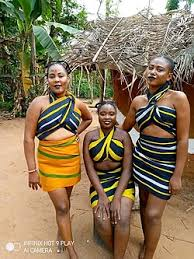
Where they live: Kogi State (North Central Nigeria) Main city: Idah
What makes them special:
- Have a king called the Atta of Igala
- Speak Igala language
- Mix of religions and traditions
- Known for fishing and farming
Their occupations:
- Fishing along Rivers Niger and Benue
- Farming (yam, cassava, rice)
- Trading in markets
- Crafts and traditional medicine
- GWARI (GBAGYI)

Where they live: Around Abuja (FCT), Niger, Kaduna States
Main areas: Abuja, Suleja, Minna
What makes them special:
- Original inhabitants of Abuja area
- Speak Gbagyi language
- Mix of Christians, Muslims, and traditional believers
- Known for farming and pottery
Their occupations:
- Farming (yam, guinea corn, rice)
- Pottery making
- Hunting and fishing
- Small-scale trading
- IDOMA
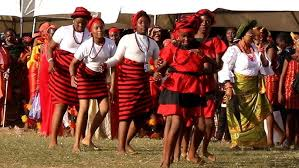
Where they live: Benue State (North Central Nigeria)
Main city: Otukpo
What makes them special:
- Related to other Middle Belt peoples
- Speak Idoma language
- Mostly Christians and traditional believers
- Known for yam farming and cultural festivals
Their occupations:
- Yam farming (expert yam growers)
- Other crops (rice, cassava, beans)
- Trading in local markets
- Traditional medicine
- JUKUN (TIV)

Where they live: Taraba, Benue States
Main areas: Wukari, Makurdi
What makes them special:
- Ancient kingdom with rich history
- Speak Jukun and Tiv languages
- Mix of religions
- Known for farming and traditional culture
Their occupations:
- Farming (yam, sorghum, rice)
- Fishing in rivers
- Crafts and traditional arts
- Local trading
- BARIBA
Where they live: Kwara, Niger States (border with Benin Republic)
Main areas: Kaiama, New Bussa
What makes them special:
- Related to people in Benin Republic
- Speak Bariba language
- Mix of Muslims and traditional believers
- Known for farming and traditional culture
Their occupations:
- Farming (guinea corn, millet, yam)
- Livestock rearing
- Trading across borders
- Traditional crafts
- IGBIRRA (EBIRA)
Where they live: Kogi, Kwara States
Main city: Okene
What makes them special:
- Speak Ebira language
- Mix of Muslims and Christians
- Known for weaving and cloth making
- Hardworking farmers and traders
Their occupations:
- Cloth weaving (famous Ebira cloth)
- Farming (yam, cassava, rice)
- Trading in textiles
- Small businesses
What These Groups Share
Similarities:
- Live in Northern Nigeria
- Many are farmers and traders
- Rich cultures and traditions
- Speak their own languages
- Practice different religions peacefully
- Contribute to Nigeria’s diversity
Differences:
- Different languages and dialects
- Different traditional rulers and systems
- Different main occupations
- Different cultural festivals
- Different traditional foods and dress
Why Nigeria’s Diversity is Good
Benefits:
- Learn from each other’s cultures
- Different skills and knowledge
- Rich traditions and festivals
- Many languages and stories
- Various foods and crafts
- Makes Nigeria unique and interesting
Exercises
- Fill in the blanks:
- The largest ethnic group in Northern Nigeria is _______
- _______ people are known for glass making
- The Kanuri people live mainly in _______ State
- _______ people are the original inhabitants of Abuja
- True or False:
- Nigeria has over 250 ethnic groups ( )
- All Northern peoples speak the same language ( )
- Hausa-Fulani are farmers and cattle rearers ( )
- Igala people have a king called Atta ( )
- Match the ethnic group with their main location:
- Hausa-Fulani → All over Northern Nigeria
- Kanuri → Borno State
- Nupe → Niger State
- Igala → Kogi State
- Circle the ethnic groups known for these crafts:
- Glass making: Nupe, Hausa, Igala
- Cloth weaving: Ebira, Kanuri, Gwari
- Pottery: Gwari, Idoma, Bariba
- What do these groups do for work?
- Hausa-Fulani: _______ and _______
- Kanuri: _______ and _______
- Nupe: _______ and _______
- Igala: _______ and _______
- Which ethnic group is found in each state?
- Borno State: _______
- Kogi State: _______
- Niger State: _______
- Around Abuja: _______
- What makes Nigeria diverse?
- a) Everyone speaks the same language
- b) Many different ethnic groups
- c) Everyone has the same culture
- d) Everyone does the same job
- Short Answer:
- What is an ethnic group?
- Name 3 ethnic groups from Northern Nigeria
- Why is Nigeria’s diversity good?
- What do most Northern peoples do for work?
- Complete the sentences:
- Ethnic groups share the same _______ and culture
- Nigeria has over _______ ethnic groups
- Different groups have different _______ and traditions
- Diversity makes Nigeria _______ and interesting
Answer Key:
- Hausa-Fulani, Nupe, Borno, Gwari/Gbagyi
- True, False, True, True
- Matching as shown above
- Circle: Nupe (glass), Ebira (cloth), Gwari (pottery)
- Farming/cattle rearing, Fishing/farming, Glass making/farming, Fishing/farming
- Kanuri, Igala, Nupe, Gwari
- b) Many different ethnic groups
- People who share same language and culture / Any 3 from the lesson / Learn from each other, rich traditions / Farming and trading
- language, 250, languages, unique
Third Term Nigerian History Lesson Notes for Other Topics

History Of Lagos State III - Division of Lagos State
Explore lesson notes covering all topics.

History Of Lagos State IV - Governors of Lagos State Since Creation
Explore lesson notes covering all topics.

Major Title -Holders In The State: Idejo Chief, White Cap Chief
Explore lesson notes covering all topics.

History Of Lagos State II
Explore lesson notes covering all topics.

History Of Lagos State
Explore lesson notes covering all topics.

Adjective And Adverb Puzzles
Explore lesson notes covering all topics.

Nigerian Independence Republic And Federation
Explore lesson notes covering all topics.

Christianity In Nigeria
Explore lesson notes covering all topics.

Traditional Occupations In The Locality-Lagos State
Explore lesson notes covering all topics.

Traditional Occupations Of Nigerian People Northern Nigeria
Explore lesson notes covering all topics.

Traditional Religion In Nigeria
Explore lesson notes covering all topics.

Islam In Nigeria
Explore lesson notes covering all topics.

Traditional Occupations Of Nigerian People Southern Nigeria
Explore lesson notes covering all topics.
Nigerian Independence
Explore lesson notes covering all topics.

Heroes in Nigeria Environment
Explore lesson notes covering all topics.

Lesson Notes for Other Classes

Basic 2 Lesson Note
The complete lesson note to guide your studies.
Basic 3 Lesson Note
The complete lesson note to guide your studies.
Basic 5 Lesson Note
The complete lesson note to guide your studies.
JSS1 Lesson Note
The complete lesson note to guide your studies.
JSS2 Lesson Note
The complete lesson note to guide your studies.

JSS3 Lesson Note
The complete lesson note to guide your studies.