
Christianity In Nigeria Basic 5 Nigerian History Lesson Note
Download Lesson NoteTopic: Christianity In Nigeria

Learning Objectives
By the end of the lesson, pupils should be able to:
- Explain the meaning of Christianity
- Mention the founder of Christianity
- Explain who the Christians are
- Examine the origin of Christianity in Nigeria
- Relate the early Christian missionaries and the roles they played in Nigeria
- Write the problems Christian missionaries faced in Nigeria
What is Christianity?
Meaning of Christianity
Christianity is a monotheistic religion based on the life, teachings, death, and resurrection of Jesus Christ. The word “Christianity” comes from “Christ,” which means “the anointed one” or “Messiah.”
Core Beliefs of Christianity
- Trinity: Belief in God as Father, Son (Jesus Christ), and Holy Spirit
- Jesus Christ: Belief that Jesus is the Son of God and Savior of mankind
- Bible: The Holy Bible is the sacred book of Christians
- Salvation: Belief that Jesus died to save humanity from sin
- Eternal Life: Belief in life after death for those who follow Jesus
- Love and Forgiveness: Central teachings about loving God and neighbor
Key Elements of Christianity
- Worship: Christians worship God through prayers, songs, and church services
- Holy Book: The Bible (Old Testament and New Testament)
- Place of Worship: Churches, cathedrals, and chapels
- Sacred Day: Sunday is the primary day of worship
- Sacraments: Special ceremonies like baptism and communion
Founder of Christianity
Jesus Christ (The Founder)
Full Name: Jesus of Nazareth, also called Jesus Christ Birth: Around 4-6 BC in Bethlehem, Palestine Death: Around 30-33 AD in Jerusalem, Palestine
Life of Jesus Christ
Birth and Early Life
- Born to Mary and Joseph in Bethlehem
- Grew up in Nazareth, a town in Galilee
- Worked as a carpenter with his father Joseph
- Lived in Palestine under Roman rule
Ministry and Teachings
- Age 30: Began his public ministry
- Disciples: Chose twelve apostles to follow and help him
- Teachings: Preached about love, forgiveness, kindness, and salvation
- Miracles: Christians believe he performed many miracles including healing the sick
- Duration: His ministry lasted about three years
Death and Resurrection
- Crucifixion: Died on a cross in Jerusalem (Good Friday)
- Resurrection: Christians believe he rose from the dead after three days (Easter Sunday)
- Ascension: Christians believe he ascended to heaven after forty days
Key Teachings of Jesus
- Love God and Love Your Neighbor: The greatest commandments
- Golden Rule: “Do unto others as you would have them do unto you”
- Forgiveness: Forgive those who wrong you
- Peace and Unity: Live in harmony with others
- Care for the Poor: Help those in need
- Eternal Life: Those who believe in him will have eternal life
Who are Christians?
Definition of Christians
Christians are people who follow the teachings of Jesus Christ and believe in him as their Lord and Savior.
What Christians Believe
- Jesus as Savior: Jesus Christ died for their sins and rose from the dead
- Bible as Guide: The Bible contains God’s word and guidance for life
- Prayer: Communicate with God through prayer
- Church Community: Worship and fellowship with other believers
- Christian Living: Try to live according to Jesus’s teachings
How People Become Christians
- Belief: Accept Jesus Christ as Lord and Savior
- Baptism: Many are baptized with water as a symbol of new life
- Confirmation: Some denominations have confirmation ceremonies
- Church Membership: Join a Christian community or church
Types of Christians (Denominations)
- Roman Catholic: Led by the Pope in Vatican City
- Protestant Churches: Include Baptist, Methodist, Anglican, Presbyterian
- Orthodox Churches: Eastern Orthodox, Greek Orthodox, Russian Orthodox
- Pentecostal Churches: Emphasize gifts of the Holy Spirit
- African Independent Churches: Churches founded by Africans
Origin of Christianity in Nigeria
Early Contact with Christianity
Portuguese Contact (15th-16th Century)
- First Contact: Portuguese explorers and traders arrived in the 1400s
- Limited Impact: Mainly along the coast, very few conversions
- Focus: More interested in trade than spreading Christianity
- Legacy: Some coastal communities had early exposure to Christianity
Main Period of Christian Arrival
19th Century Missionary Movement
The major spread of Christianity in Nigeria began in the 1840s during the European missionary movement.
Why Missionaries Came to Nigeria
- Abolition of Slave Trade: European countries wanted to replace slave trade with legitimate trade
- Exploration: Explorers like Mungo Park had opened up the interior of Africa
- Religious Revival: Strong Christian revival movement in Europe and America
- Humanitarian Concerns: Desire to help Africans through education and healthcare
- Adventure and Discovery: Some missionaries were motivated by exploration
Routes of Entry
- Coastal Route: Through Lagos, Calabar, and other coastal cities
- River Niger: Missionaries traveled up the Niger River
- Northern Routes: Some came through the Sahara Desert
- Freed Slave Return: Some Christianity came through returned slaves from Sierra Leone
Early Christian Missionaries and Their Roles
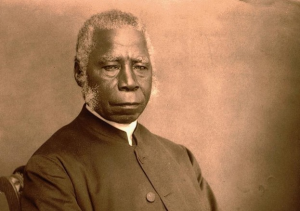
1. Samuel Ajayi Crowther (1809-1891)
Background
- Origin: Born in Yorubaland, captured as a slave at age 13
- Rescue: Freed by British naval patrol and taken to Sierra Leone
- Education: Studied in Sierra Leone and later in England
- Ordination: Became the first African Anglican bishop
Roles and Achievements
- Translation Work: Translated the Bible into Yoruba language
- Church Establishment: Founded churches along the Niger River
- Education: Established schools and trained local teachers
- Niger Mission: Led missionary work in the Niger Delta
- Cultural Bridge: Helped bridge African and European cultures
2. Mary Mitchell Slessor (1848-1915)

Background
- Origin: Born in Scotland, worked in textile mills as a child
- Calling: Felt called to missionary work in Africa
- Arrival: Came to Calabar in 1876 at age 28
Roles and Achievements
- Women’s Rights: Fought against killing of twins and other harmful practices
- Cultural Reform: Worked to change practices that harmed women and children
- Language Learning: Learned local languages and lived among the people
- Education: Established schools for girls and boys
- Healthcare: Provided medical care and trained local health workers
- Legal Reform: Became a magistrate and helped establish fair legal practices
3. Hope Masterton Waddell (1804-1895)
Background
- Origin: Scottish Presbyterian missionary
- Education: Well-educated in theology and medicine
- Arrival: Came to Calabar in 1846
Roles and Achievements
- Mission Establishment: Founded the Calabar Mission
- Education System: Established formal Western education
- Printing Press: Set up the first printing press in Eastern Nigeria
- Literature: Produced books and materials in local languages
- Training: Trained local people as teachers and church leaders
4. Thomas Jefferson Bowen (1814-1875)
Background
- Origin: American Southern Baptist missionary
- Education: Graduated from theological seminary in America
- Arrival: Came to Yorubaland in 1850
Roles and Achievements
- Yoruba Mission: Established Baptist churches in Yorubaland
- Language Work: Studied and documented Yoruba language
- Education: Founded schools and trained local evangelists
- Cultural Documentation: Wrote about Yoruba culture and customs
- Church Development: Helped establish independent African churches
5. Henry Townsend (1815-1886)
Background
- Origin: English Anglican missionary
- Training: Church Missionary Society (CMS) training
- Arrival: Came to Abeokuta in 1843
Roles and Achievements
- Abeokuta Mission: Established strong Christian presence in Abeokuta
- Printing and Publishing: Started the first newspaper in Nigeria (Iwe Irohin)
- Education: Built schools and trained teachers
- Translation: Helped translate religious materials into Yoruba
- Infrastructure: Helped build roads, bridges, and other infrastructure
6. Hugh Goldie (1815-1895)
Background
- Origin: Scottish Presbyterian missionary
- Education: University-trained in theology and languages
- Arrival: Came to Calabar in 1846
Roles and Achievements
- Language Documentation: Created the first Efik dictionary and grammar
- Bible Translation: Translated the Bible into Efik language
- Education: Established Hope Waddell Training Institution
- Literacy: Taught many people to read and write
- Cultural Preservation: Documented local customs and traditions
Roles Played by Christian Missionaries in Nigeria
1. Religious and Spiritual Roles
Evangelism and Preaching
- Preached the Christian gospel throughout Nigeria
- Conducted baptisms and confirmation ceremonies
- Established churches and Christian communities
- Trained local pastors and church leaders
Church Building
- Built churches, cathedrals, and chapels
- Established different Christian denominations
- Created church administrative structures
- Developed local church leadership
2. Educational Roles
Formal Education Introduction
- Primary Schools: Established the first Western-style schools
- Teacher Training: Trained Nigerians to become teachers
- Curriculum Development: Created educational programs and materials
- Literacy Campaigns: Taught people to read and write
Higher Education
- Secondary Schools: Built grammar schools and high schools
- Teacher Training Colleges: Established institutions for training teachers
- Technical Education: Introduced vocational and technical training
- Women’s Education: Promoted education for girls and women
Language and Literature
- Language Documentation: Studied and wrote down local languages
- Translation Work: Translated the Bible and other books into local languages
- Dictionary Creation: Made dictionaries for various Nigerian languages
- Printing and Publishing: Established printing presses and published books
3. Healthcare and Medical Roles
Medical Services
- Hospitals: Built the first modern hospitals in Nigeria
- Clinics: Established medical clinics in rural areas
- Medical Training: Trained local people as nurses and medical assistants
- Public Health: Introduced modern hygiene and disease prevention
Healthcare Education
- Health Awareness: Taught people about disease prevention
- Maternal Care: Improved care for mothers and babies
- Vaccination Programs: Introduced smallpox and other vaccinations
- Nutrition Education: Taught about proper nutrition and diet
4. Social and Cultural Roles
Social Reform
- Human Rights: Fought against harmful traditional practices
- Women’s Rights: Promoted better treatment of women
- Child Protection: Worked to protect children from harmful practices
- Anti-Slavery: Opposed slave trade and slavery
Cultural Documentation
- Custom Recording: Documented Nigerian cultures and traditions
- Language Preservation: Helped preserve local languages
- Art and Music: Encouraged local arts while introducing Christian music
- Historical Records: Kept records of local history and events
5. Economic and Development Roles
Infrastructure Development
- Roads and Bridges: Helped build transportation infrastructure
- Agriculture: Introduced new farming methods and crops
- Trade Promotion: Encouraged legitimate trade instead of slave trade
- Skill Development: Taught various crafts and technical skills
Economic Education
- Financial Literacy: Taught people about money management
- Cooperative Societies: Helped establish savings and credit societies
- Small Business: Encouraged local entrepreneurship
- Market Development: Helped develop local markets and trade
Problems Christian Missionaries Faced in Nigeria
1. Environmental and Health Challenges
Tropical Diseases
- Malaria: Many missionaries died from malaria fever
- Yellow Fever: Deadly disease that killed numerous missionaries
- Dysentery: Intestinal diseases from poor sanitation
- Other Tropical Diseases: Typhoid, cholera, and other infections
Climate and Environment
- Hot and Humid Weather: Difficult for Europeans to adapt
- Rainy Season: Heavy rains made travel and work difficult
- Poor Living Conditions: Lack of proper housing and amenities
- Food and Water: Difficulty getting safe food and clean water
2. Cultural and Religious Opposition
Traditional Religion Resistance
- Religious Leaders: Traditional priests opposed Christianity
- Cultural Practices: Conflict between Christian and traditional practices
- Sacred Places: Traditional shrines and sacred groves were protected
- Ancestral Worship: People were reluctant to abandon ancestor worship
Cultural Conflicts
- Marriage Customs: Polygamy conflicted with Christian monogamy
- Traditional Festivals: Conflict between Christian and traditional celebrations
- Initiation Rites: Traditional coming-of-age ceremonies conflicted with Christian beliefs
- Burial Practices: Different beliefs about death and burial
3. Language and Communication Barriers
Language Difficulties
- Multiple Languages: Nigeria has over 250 languages
- No Written Form: Many languages had no written script
- Complex Grammar: Difficult grammar structures to learn
- Dialects: Many variations of the same language
Communication Problems
- Translation Challenges: Difficult to translate Christian concepts
- Misunderstandings: Cultural concepts lost in translation
- Teaching Difficulties: Hard to explain abstract religious ideas
- Limited Interpreters: Few people could translate effectively
4. Political and Social Resistance
Traditional Rulers’ Opposition
- Loss of Power: Chiefs feared losing authority to missionaries
- Economic Interests: Some rulers benefited from practices missionaries opposed
- Political Control: Concern about foreign influence on their people
- Cultural Preservation: Desire to maintain traditional ways
Community Resistance
- Social Disruption: Christianity changed traditional social structures
- Family Conflicts: Divisions between Christian and non-Christian family members
- Economic Impact: New practices affected traditional economic systems
- Generational Gaps: Conflicts between older and younger generations
5. Practical and Logistical Problems
Transportation Difficulties
- Poor Roads: Few roads and difficult terrain
- River Travel: Dangerous river journeys with rapids and hostile tribes
- Long Distances: Vast areas to cover with limited transportation
- Seasonal Access: Some areas only accessible during certain seasons
Resource Limitations
- Limited Funding: Not enough money for all missionary activities
- Supply Problems: Difficulty getting books, medicines, and equipment
- Personnel Shortage: Not enough missionaries for the large population
- Communication with Home: Slow communication with sponsoring organizations
6. Inter-denominational Competition
Denominational Conflicts
- Catholic vs. Protestant: Competition between different Christian groups
- Territorial Disputes: Disagreements over mission territories
- Different Approaches: Various methods of evangelization created conflicts
- Resource Competition: Competition for converts and funding
7. Educational and Training Challenges
Lack of Trained Personnel
- Teacher Shortage: Not enough qualified teachers
- Language Teachers: Difficulty finding people who could teach local languages
- Medical Personnel: Limited doctors and nurses
- Technical Experts: Lack of people with specialized skills
Educational Resources
- No Textbooks: Lack of appropriate educational materials
- No Schools: Had to build everything from scratch
- Curriculum Development: Need to create appropriate courses of study
- Student Resistance: Some students opposed Western education
Solutions and Strategies Used by Missionaries
1. Adaptation Strategies
- Learning Local Languages: Missionaries studied and mastered local languages
- Cultural Sensitivity: Adapted Christian practices to local customs where possible
- Local Partnerships: Worked with friendly local leaders and converts
- Gradual Approach: Introduced changes slowly rather than forcing immediate conversion
2. Health and Safety Measures
- Medical Precautions: Used available medicines and protective measures
- Proper Housing: Built better living quarters adapted to local climate
- Hygiene Practices: Maintained good sanitation and health practices
- Team Approach: Worked in groups for mutual support and safety
3. Educational Innovations
- Local Language Education: Taught in local languages before introducing English
- Practical Skills: Combined religious education with useful skills training
- Women’s Education: Specifically targeted education for girls and women
- Adult Education: Provided education for adults as well as children
4. Community Integration
- Respected Local Customs: Honored positive aspects of traditional culture
- Economic Development: Helped communities with practical needs
- Healthcare Services: Provided medical care that demonstrated Christian love
- Social Services: Helped with community problems like famine and disease
Impact and Legacy of Christian Missionaries
Positive Contributions
- Education System: Established the foundation of modern education in Nigeria
- Healthcare: Introduced modern medical practices and hospitals
- Language Development: Helped preserve and develop Nigerian languages
- Social Reform: Eliminated some harmful traditional practices
- Infrastructure: Contributed to roads, bridges, and communication systems
- Literacy: Taught millions of Nigerians to read and write
Ongoing Challenges
- Cultural Tensions: Some conflicts between traditional and Christian values continue
- Religious Divisions: Competition between different Christian denominations
- Integration Issues: Balancing Christian and traditional African values
- Economic Dependency: Some areas became dependent on missionary support
Christianity in Nigeria Today
Current Status
- Nigeria has one of the largest Christian populations in the world
- Christianity is dominant in Southern and Middle Belt regions
- Various denominations are active throughout the country
- Nigerian Christians have become missionaries to other countries
Nigerian Christian Leaders
- Many Nigerians have become prominent Christian leaders
- Nigerian churches have been established in other countries
- Indigenous African churches have developed their own practices
- Christian education continues to be important in Nigeria
Conclusion
Christianity came to Nigeria through the dedicated work of missionaries who faced enormous challenges but made significant contributions to Nigerian society. While they encountered resistance from traditional religions, diseases, language barriers, and cultural conflicts, their persistence led to the establishment of Christianity as a major religion in Nigeria.
The missionaries’ work in education, healthcare, language development, and social reform has had lasting impact on Nigerian society. Today, Christianity is practiced by millions of Nigerians and continues to play an important role in the country’s development.
Understanding the history of Christianity in Nigeria helps us appreciate both the sacrifices made by early missionaries and the way different religions can contribute to national development while respecting cultural diversity.
Class Activities
Discussion Questions
- What motivated Christian missionaries to come to Nigeria despite the dangers?
- How did missionaries contribute to education in Nigeria?
- What were the main challenges missionaries faced and how did they overcome them?
- How can different religions work together for Nigeria’s development?
Group Activities
- Role Play: Act out scenes of missionaries arriving and facing various challenges
- Research Project: Each group researches one missionary and presents their story
- Map Work: Trace the routes missionaries used to enter Nigeria
- Timeline: Create a timeline of Christianity’s arrival and spread in Nigeria
Creative Activities
- Letter Writing: Write a letter from a missionary to family back home describing challenges
- Drama: Perform a play about Mary Slessor’s work in Calabar
- Art Project: Draw pictures of early churches and schools built by missionaries
- Biography: Write a short biography of Samuel Ajayi Crowther
Field Trip Suggestions
- Visit historical churches established by early missionaries
- Visit missionary graveyards or memorial sites
- Tour old mission schools and hospitals
- Visit museums with missionary artifacts
Assignment
- Interview elderly Christians about stories of early missionaries in your area
- Compare the challenges faced by early missionaries with modern challenges
- Write about how missionary education influenced modern Nigerian education
- Research one missionary’s contribution to your local area or state
Key Facts to Remember
Basic Information
- Founder: Jesus Christ
- Meaning: Christianity means following Christ
- Holy Book: The Bible
- Place of Worship: Church
- Main Arrival: 1840s (19th century)
Important Missionaries
- Samuel Ajayi Crowther: First African Anglican bishop
- Mary Slessor: Scottish missionary who worked in Calabar
- Hope Waddell: Founded Calabar Mission
- Henry Townsend: Started first Nigerian newspaper
Major Contributions
- Education: Established first Western schools
- Healthcare: Built first modern hospitals
- Language: Translated Bible into local languages
- Social Reform: Fought harmful traditional practices
Key Challenges
- Diseases: Malaria, yellow fever, and other tropical diseases
- Cultural Opposition: Resistance from traditional religion
- Language Barriers: Difficulty communicating in local languages
- Environmental: Hot climate and difficult living conditions
Important Values
- Respect: For all religions and cultures
- Appreciation: For contributions of all groups to Nigeria
- Unity: Working together despite religious differences
- Service: Helping others in need like the missionaries did
Third Term Nigerian History Lesson Notes for Other Topics

History Of Lagos State III - Division of Lagos State
Explore lesson notes covering all topics.

History Of Lagos State IV - Governors of Lagos State Since Creation
Explore lesson notes covering all topics.

Major Title -Holders In The State: Idejo Chief, White Cap Chief
Explore lesson notes covering all topics.

History Of Lagos State II
Explore lesson notes covering all topics.

History Of Lagos State
Explore lesson notes covering all topics.

Adjective And Adverb Puzzles
Explore lesson notes covering all topics.

Nigerian Independence Republic And Federation
Explore lesson notes covering all topics.

Traditional Occupations In The Locality-Lagos State
Explore lesson notes covering all topics.

Traditional Occupations Of Nigerian People Northern Nigeria
Explore lesson notes covering all topics.

Traditional Religion In Nigeria
Explore lesson notes covering all topics.

Islam In Nigeria
Explore lesson notes covering all topics.

Traditional Occupations Of Nigerian People Southern Nigeria
Explore lesson notes covering all topics.
Nigerian Independence
Explore lesson notes covering all topics.

Heroes in Nigeria Environment
Explore lesson notes covering all topics.
Heroines in Nigeria
Explore lesson notes covering all topics.

Lesson Notes for Other Classes

Basic 2 Lesson Note
The complete lesson note to guide your studies.

Basic 3 Lesson Note
The complete lesson note to guide your studies.

Basic 4 Lesson Note
The complete lesson note to guide your studies.

JSS1 Lesson Note
The complete lesson note to guide your studies.

JSS2 Lesson Note
The complete lesson note to guide your studies.

JSS3 Lesson Note
The complete lesson note to guide your studies.