
British Rule In Nigeria 2 Basic 5 Nigerian History Lesson Note
Download Lesson NoteTopic: British Rule In Nigeria 2
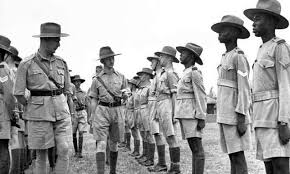
LEARNING OBJECTIVES
By the end of these lessons, pupils should be able to:
- Mention the first place the British occupied in Nigeria
- Discuss the phases of British occupation of Nigeria
- Analyze the ways the British occupied Nigeria
- Analyze the Founder of the British Royal Niger Company
- Examine the activities of the British Royal Niger Company of Nigeria
- Give the reasons why the Royal Niger Company’s Charter was revoked on 31st December, 1899
WEEK 4: BRITISH OCCUPATION OF NIGERIA
LESSON 1: FIRST PLACE THE BRITISH OCCUPIED IN NIGERIA
The First British Settlement: Lagos
When: 1851 (British bombardment) and 1861 (formal occupation)
Background:
- Lagos was a major trading port on the coast
- It was ruled by Oba Kosoko when the British first attacked
- The British supported Oba Akitoye against Oba Kosoko
- Lagos was strategic for controlling trade along the West African coast
Why Lagos was Chosen First:
- Strategic Location
- Located on the coast with access to the Atlantic Ocean
- Natural harbor for ships
- Gateway to the interior of Nigeria through rivers and lagoons
- Economic Importance
- Major center for palm oil trade
- Important slave trading port (which British wanted to stop)
- Control of Lagos meant control of coastal trade
- Political Advantage
- Relatively small area to control
- Could serve as base for further expansion
- Easy to defend with naval power
The Process of Occupation:
- 1851: British naval forces bombarded Lagos
- Oba Kosoko was driven away
- Oba Akitoye was installed as a friendly ruler
- 1861: Lagos was formally annexed as a British Crown Colony
- Became the first official British territory in Nigeria
LESSON 2: VARIOUS PHASES OF BRITISH OCCUPATION OF NIGERIA
PHASE 1: COASTAL OCCUPATION (1851-1885)
Period: Mid-19th century Areas: Lagos and other coastal regions
Characteristics:
- Focus on coastal trading posts
- Establishment of Lagos Colony in 1861
- Control of palm oil trade
- Beginning of missionary activities
- Limited to areas accessible by sea
Key Events:
- 1851: Attack on Lagos
- 1861: Lagos becomes Crown Colony
- 1849-1884: Oil Rivers Protectorate established
- Gradual extension along the coast
PHASE 2: INTERIOR PENETRATION (1885-1900)
Period: Late 19th century Areas: Niger River region and northern territories
Characteristics:
- Use of Royal Niger Company
- Penetration through river systems
- Treaty-making with local rulers
- Establishment of trading posts along Niger River
- Competition with French expansion
Key Events:
- 1886: Royal Niger Company receives charter
- 1890s: Expansion into northern Nigeria
- Treaty-making with Emirs and local chiefs
- Conflicts with French forces
PHASE 3: MILITARY CONQUEST (1900-1914)
Period: Early 20th century Areas: Complete control of northern and southern Nigeria
Characteristics:
- Direct military campaigns
- Conquest of resistant emirates
- Unification of northern and southern Nigeria
- Establishment of colonial administration
- End of the Royal Niger Company’s political role
Key Events:
- 1900: British government takes over from Royal Niger Company
- 1903: Conquest of Sokoto Caliphate
- 1914: Amalgamation of Northern and Southern Nigeria
LESSON 3: WAYS THE BRITISH OCCUPIED NIGERIA
- TREATY-MAKING
Method:
- British officials signed treaties with local rulers
- Treaties often gave British exclusive trading rights
- Local rulers kept some authority but under British oversight
- Many rulers didn’t fully understand the treaties they signed
Examples:
- Treaties with Delta chiefs in the south
- Agreements with Emirs in the north
- Protection treaties that gradually became control
Advantages for British:
- Appeared peaceful and legal
- Cheaper than military conquest
- Used local rulers as intermediaries
- Avoided immediate resistance
- ECONOMIC PENETRATION
Method:
- Established trading companies
- Controlled key trade routes
- Made local economies dependent on British trade
- Gradually replaced local currencies with British money
Tools Used:
- Royal Niger Company
- Other trading companies
- Control of river transport
- Monopoly of certain goods
- MILITARY CONQUEST
Method:
- Used superior weapons (guns, cannons)
- Naval power along the coast and rivers
- Professional soldiers (West Africa Frontier Force)
- Punitive expeditions against resistant communities
Examples:
- Conquest of Benin Empire (1897)
- Defeat of Sokoto Caliphate (1903)
- Various campaigns against resistant groups
- Use of local soldiers under British officers
- DIPLOMATIC MANEUVERING
Method:
- Played different groups against each other
- Supported friendly rulers against enemies
- Used religious and ethnic differences
- Promised protection from enemies
Strategies:
- Supporting some Emirs against others
- Using Christian missions to gain influence
- Exploiting rivalries between communities
- Offering protection from slave raiders
- ADMINISTRATIVE CONTROL
Method:
- Gradual introduction of British laws
- Appointment of British officials
- Training of local clerks and interpreters
- Establishment of courts and police
Process:
- Started in coastal areas
- Extended to interior regions
- Replaced traditional systems gradually
- Created new administrative boundaries
First Term Nigerian History Lesson Notes for Other Topics
Other Pre-Colonial Settlers In Lagos
Explore lesson notes covering all topics.

Nigerian People - North West And North East
Explore lesson notes covering all topics.
Nigerian People: South East And North Central
Explore lesson notes covering all topics.
Nigerian People: South West And South-South
Explore lesson notes covering all topics.
Indigenous Occupation And Mode Of Transportation In Lagos
Explore lesson notes covering all topics.
Tradition And Origin People Of Awori, Ijebu, e.t.c
Explore lesson notes covering all topics.
Location Of The Indigenous People Of Lagos State
Explore lesson notes covering all topics.
Indigenous People Of Lagos State - Awori, Egun, Ijebu Etc.
Explore lesson notes covering all topics.

British Rule In Nigeria, Traditional Nationalism, And Resistances
Explore lesson notes covering all topics.
Detailed Study Of Major Constitutions
Explore lesson notes covering all topics.
Meaning Of A Constitution
Explore lesson notes covering all topics.
British Rule In Nigeria 3
Explore lesson notes covering all topics.
British Rule In Nigeria
Explore lesson notes covering all topics.

The Royal Niger Company
Explore lesson notes covering all topics.
Ethnic Groups in the Four Early Regions in Nigeria
Explore lesson notes covering all topics.

Lesson Notes for Other Classes

Basic 2 Lesson Note
The complete lesson note to guide your studies.

Basic 3 Lesson Note
The complete lesson note to guide your studies.

Basic 4 Lesson Note
The complete lesson note to guide your studies.

JSS1 Lesson Note
The complete lesson note to guide your studies.

JSS2 Lesson Note
The complete lesson note to guide your studies.

JSS3 Lesson Note
The complete lesson note to guide your studies.