
Ethnic Groups in the Four Early Regions in Nigeria Basic 4 Nigerian History Lesson Note
Download Lesson NoteTopic: Ethnic Groups in the Four Early Regions in Nigeria
What is an Ethnic Group?
An ethnic group is a group of people who share:
- Same language or similar languages
- Same culture and traditions
- Same beliefs and customs
- Live in the same area together
- Feel they belong to the same family
Think of it like a big family with shared ways of life!
The Four Early Regions and Their Ethnic Groups
- Northern Region
Major Ethnic Groups:
- Hausa – largest group in the North
- Fulani – cattle rearers and traders
- Kanuri – around Lake Chad area
- Tiv – Middle Belt farmers
- Nupe – along River Niger
- Gwari – around Abuja area
- Western Region
Major Ethnic Groups:
- Yoruba – largest group in the West
- Sub-groups: Oyo, Egba, Ijebu, Ondo, Ekiti, Ijesha
- Edo – Benin people
- Urhobo – Delta area
- Itsekiri – coastal traders
- Eastern Region
Major Ethnic Groups:
- Igbo – largest group in the East
- Sub-groups: Onitsha, Owerri, Afikpo, Nsukka
- Ibibio – Cross River area
- Efik – Calabar people
- Ijaw – Niger Delta
- Ogoni – Rivers area
- Mid-Western Region (Created in 1963)
Major Ethnic Groups:
- Edo – Benin Kingdom people
- Urhobo – Delta farmers
- Isoko – related to Urhobo
- Itsekiri – coastal people
- Ijaw – riverine people
Occupations of These Ethnic Groups
Northern Region:
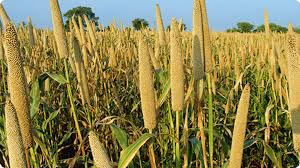
- Hausa: Farming (millet, sorghum), trading, crafts
- Fulani: Cattle rearing, milk production, leather work

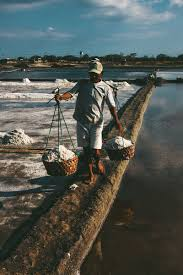
- Kanuri: Fishing, farming, salt mining
- Tiv: Yam farming, hunting
- Nupe: Farming, fishing, glass making
Western Region:
- Yoruba: Cocoa farming, trading, crafts, weaving

- Edo: Wood carving, bronze casting, farming
- Urhobo: Fishing, palm oil production
- Itsekiri: Trading, fishing
Eastern Region:
- Igbo: Yam farming, palm oil, trading, crafts
- Ibibio: Fishing, farming, palm wine tapping
- Efik: Trading, fishing, palm oil
- Ijaw: Fishing, canoe making
- Ogoni: Farming, fishing
Mid-Western Region:
- Edo: Farming, bronze work, carving
- Urhobo: Fishing, farming
- Itsekiri: Trading, fishing
Inter-Group Relations and Socialization
How Ethnic Groups Interacted:
- Trade and Commerce
- Hausa traders traveled to all regions
- Yoruba traders sold goods across Nigeria
- Igbo traders moved to Northern cities
- Created friendships through business
- Intermarriage
- People from different ethnic groups married each other
- Children learned both cultures
- Families became mixed and closer
- Educational Exchange
- Students traveled to schools in other regions
- Teachers worked in different areas
- Shared knowledge and ideas
- Religious Activities
- Muslims and Christians worshipped together
- Traditional festivals welcomed all people
- Religious leaders promoted peace
- Cultural Exchange
- Shared foods and recipes
- Learned each other’s languages
- Adopted new customs and traditions
- Music and dance mixed together
Positive Relations:
- Peaceful coexistence most of the time
- Mutual respect for different cultures
- Economic cooperation through trade
- Shared celebrations and festivals
Some Challenges:
- Language barriers sometimes caused misunderstanding
- Competition for resources in some areas
- Different religions occasionally caused tension
- Political differences during colonial period
Exercises
- Fill in the blanks:
- An ethnic group shares the same _______ and culture
- The largest ethnic group in the North is _______
- _______ people are known for cattle rearing
- The largest ethnic group in the West is _______
- True or False:
- All ethnic groups in Nigeria speak the same language ( )
- Hausa traders traveled to other regions ( )
- People from different ethnic groups never married ( )
- The Igbo are the largest group in the Eastern region ( )
- Match the ethnic group with their main occupation:
- Fulani → Cattle rearing
- Yoruba → Cocoa farming
- Ijaw → Fishing
- Nupe → Glass making
- Circle the ways ethnic groups socialized:
- Fighting wars
- Trading together
- Intermarriage
- Educational exchange
- Avoiding each other
- Cultural exchange
- Which region would you find these ethnic groups?
- Hausa → _______ Region
- Yoruba → _______ Region
- Igbo → _______ Region
- Edo → _______ Region
- Name one occupation for each:
- Northern ethnic groups: _______
- Western ethnic groups: _______
- Eastern ethnic groups: _______
- Short Answer:
- What makes people belong to the same ethnic group?
- How did ethnic groups help each other?
- Name 2 ways ethnic groups learned from each other
- Why was trade important for ethnic relations?
- List ethnic groups:
- Name 3 ethnic groups from the Northern Region
- Name 2 ethnic groups from the Western Region
- Name 2 ethnic groups from the Eastern Region
Answer Key:
- language, Hausa, Fulani, Yoruba
- False, True, False, True
- Matching as shown above
- Circle: Trading together, Intermarriage, Educational exchange, Cultural exchange
- Northern, Western, Eastern, Mid-Western (or Western)
- Sample: Farming/cattle rearing, Cocoa farming/trading, Yam farming/fishing
- Same language and culture / Through trade and marriage / Trade and intermarriage / Created friendships and understanding
- Hausa, Fulani, Kanuri; Yoruba, Edo; Igbo, Ibibio
First Term Nigerian History Lesson Notes for Other Topics
Other Pre-Colonial Settlers In Lagos
Explore lesson notes covering all topics.

Nigerian People - North West And North East
Explore lesson notes covering all topics.
Nigerian People: South East And North Central
Explore lesson notes covering all topics.
Nigerian People: South West And South-South
Explore lesson notes covering all topics.
Indigenous Occupation And Mode Of Transportation In Lagos
Explore lesson notes covering all topics.
Tradition And Origin People Of Awori, Ijebu, e.t.c
Explore lesson notes covering all topics.
Location Of The Indigenous People Of Lagos State
Explore lesson notes covering all topics.
Indigenous People Of Lagos State - Awori, Egun, Ijebu Etc.
Explore lesson notes covering all topics.

British Rule In Nigeria, Traditional Nationalism, And Resistances
Explore lesson notes covering all topics.
Detailed Study Of Major Constitutions
Explore lesson notes covering all topics.
Meaning Of A Constitution
Explore lesson notes covering all topics.
British Rule In Nigeria 3
Explore lesson notes covering all topics.
British Rule In Nigeria
Explore lesson notes covering all topics.
British Rule In Nigeria 2
Explore lesson notes covering all topics.

The Royal Niger Company
Explore lesson notes covering all topics.
Lesson Notes for Other Classes

Basic 2 Lesson Note
The complete lesson note to guide your studies.
Basic 3 Lesson Note
The complete lesson note to guide your studies.
Basic 5 Lesson Note
The complete lesson note to guide your studies.

JSS1 Lesson Note
The complete lesson note to guide your studies.
JSS2 Lesson Note
The complete lesson note to guide your studies.
JSS3 Lesson Note
The complete lesson note to guide your studies.