
British Rule In Nigeria, Traditional Nationalism, And Resistances Basic 5 Nigerian History Lesson Note
Download Lesson NoteTopic: British Rule In Nigeria, Traditional Nationalism, And Resistances
Behavioural Objectives
By the end of the lesson, pupils should be able to:
- Give the meaning of nationalism
- State the various forms of nationalism
- Mention notable traditional nationalists in Nigeria
- Relate the reasons for the growth of traditional nationalism in Nigeria
- Examine the effects of traditional nationalism on Nigeria
Keywords
Nationalism, resistance, traditional nationalists, Kosoko, Jaja, Nana Olomu, Sultan Attahiru, Madam Tinubu, opposition, sovereignty
Set Induction
Start with a discussion about what happens when people feel their way of life is threatened. Ask pupils if they know of any Nigerian leaders who fought against British rule to protect their people and traditions.
Entry Behaviour
Pupils should have knowledge of British colonization of Nigeria and understand the concept of leadership and resistance.
Learning Materials
- Maps of Nigeria showing areas of resistance
- Pictures of notable traditional nationalists
- Textbooks on Nigerian history
- Timeline charts of resistance movements
Instructional Materials
- Historical maps
- Photographs of key nationalist figures
- Chart showing forms of nationalism
- Visual aids depicting resistance movements
Building Background/Connection to Prior Knowledge
Review previous knowledge about British occupation of Nigeria and discuss how local leaders might have responded to foreign control over their territories.
Embedded Core Skills
- Historical analysis
- Critical thinking
- Comparative analysis
- Understanding cause and effect relationships
Learning Materials
- Maps and charts
- Textbooks
- Historical documents
- Visual presentations
Reference Books
- Lagos State Scheme of Work for History
- Nigerian History textbooks
- West African History texts
Content
1. Meaning of Nationalism
Definition: Nationalism is the strong feeling of love, loyalty, and devotion that people have for their country, culture, and way of life. It involves the desire to protect and preserve one’s homeland from foreign control or influence.
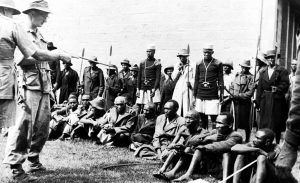
In the Nigerian Context: Traditional nationalism refers to the resistance movements led by indigenous rulers and leaders against British colonial rule to protect their territories, cultures, and political systems.
2. Forms of Nationalism
a) Armed Resistance
- Direct military confrontation against colonial forces
- Use of traditional weapons and warfare tactics
- Examples: Sultan Attahiru’s resistance in Sokoto
b) Political Opposition
- Refusal to sign treaties with colonial authorities
- Non-cooperation with colonial administrators
- Examples: Kosoko’s opposition in Lagos
c) Economic Resistance
- Boycotting colonial trade policies
- Protecting traditional trade routes
- Examples: Jaja of Opobo’s trade monopoly
d) Cultural Preservation
- Maintaining traditional customs and practices
- Resisting Western education and religion
- Protecting indigenous institutions
3. Notable Traditional Nationalists in Nigeria
a) Kosoko of Lagos (1845-1851)
- Background: Oba (King) of Lagos who opposed British interference
- Resistance: Fought against British attempts to control Lagos and end slave trade
- Methods: Used military force and political maneuvering
- Outcome: Eventually defeated and exiled by the British in 1851
b) Jaja of Opobo (1869-1887)
- Background: Former slave who became a powerful merchant prince
- Resistance: Controlled palm oil trade in the Niger Delta region
- Methods: Economic monopoly and political negotiations
- Outcome: Deported by the British to the West Indies in 1887
c) Nana Olomu of Itsekiri (1884-1894)
- Background: Governor of the Benin River and wealthy palm oil trader
- Resistance: Opposed British control over trade in his territory
- Methods: Economic control and armed resistance
- Outcome: Defeated and exiled by the British in 1894
d) Sultan Attahiru of Sokoto (1902-1903)
- Background: Last independent Sultan of Sokoto Caliphate
- Resistance: Led armed resistance against British conquest
- Methods: Holy war (jihad) and military campaigns
- Outcome: Died in battle at Burmi in 1903
e) Madam Tinubu (1810-1887)
- Background: Powerful female trader and political figure
- Resistance: Opposed British interference in Lagos politics and trade
- Methods: Economic influence and political maneuvering
- Outcome: Exiled from Lagos but continued her influence from Abeokuta
4. Reasons for the Growth of Traditional Nationalism in Nigeria
a) Protection of Sovereignty
- Desire to maintain independence and self-rule
- Resistance to foreign domination
- Preservation of traditional political systems
b) Economic Interests
- Protection of traditional trade routes and markets
- Opposition to British monopolistic practices
- Fear of economic exploitation
c) Cultural and Religious Preservation
- Maintenance of traditional customs and practices
- Resistance to Christianity and Western education
- Protection of indigenous religious beliefs
d) Political Autonomy
- Desire to maintain traditional leadership structures
- Opposition to indirect rule system
- Resistance to loss of political power
e) Social Cohesion
- Unity among ethnic groups against common enemy
- Preservation of social hierarchies and structures
- Protection of community values
5. Effects of Traditional Nationalism on Nigeria
a) Positive Effects
Political Awareness:
- Increased consciousness about self-governance
- Development of organized resistance movements
- Foundation for future nationalist movements
Cultural Preservation:
- Maintenance of indigenous traditions and customs
- Preservation of local languages and practices
- Strengthening of ethnic identities
Unity and Solidarity:
- Brought different communities together against colonialism
- Created shared experiences of resistance
- Developed pan-Nigerian consciousness
Leadership Development:
- Produced strong indigenous leaders
- Demonstrated organizational capabilities
- Inspired future generations of nationalists
b) Negative Effects
Military Casualties:
- Loss of lives during armed confrontations
- Destruction of property and infrastructure
- Displacement of populations
Economic Disruption:
- Interruption of trade activities
- Loss of economic opportunities
- Destruction of local economies
Political Instability:
- Constant conflicts and wars
- Breakdown of traditional administrative systems
- Creation of power vacuums
Social Division:
- Conflicts between pro and anti-colonial groups
- Breakdown of social harmony in some areas
- Creation of lasting grievances
Evaluation
- What is nationalism? a) Love for foreign countries b) Strong feeling of love and loyalty for one’s country c) Hatred for other nations d) Desire to travel abroad
- Which of the following was a form of traditional nationalism? a) Armed resistance b) Political opposition c) Economic resistance d) All of the above
- Who was Kosoko of Lagos? a) A British colonial administrator b) An Oba who opposed British interference c) A Christian missionary d) A slave trader
- Jaja of Opobo was known for: a) Religious preaching b) Controlling palm oil trade c) Building schools d) Supporting British rule
- Which traditional nationalist died in battle at Burmi? a) Kosoko of Lagos b) Jaja of Opobo c) Sultan Attahiru of Sokoto d) Nana Olomu
- Madam Tinubu was notable for being: a) A powerful female trader and political figure b) A British sympathizer c) A Christian convert d) A traditional ruler
- One reason for traditional nationalism was: a) Love for British culture b) Protection of sovereignty c) Desire for Western education d) Support for colonialism
- A positive effect of traditional nationalism was: a) Economic disruption b) Political awareness c) Military casualties d) Social division
- Nana Olomu controlled trade in which region? a) Lagos lagoon b) Benin River area c) Sokoto Caliphate d) Opobo kingdom
- Traditional nationalism helped to: a) Weaken Nigerian culture b) Support British rule c) Preserve indigenous traditions d) Promote foreign values
Assignment
Write a short essay (200 words) on any one traditional nationalist of your choice, highlighting their background, methods of resistance, and the outcome of their struggle.
Conclusion
Traditional nationalism in Nigeria represented the first organized response to colonial rule. These early nationalists, though ultimately unsuccessful in preventing British colonization, laid the foundation for future independence movements and helped preserve important aspects of Nigerian culture and identity. Their courage and determination continue to inspire Nigerians today.
First Term Nigerian History Lesson Notes for Other Topics
Civil Rule in Nigeria - Third Republic (1992-1993)
Explore lesson notes covering all topics.

Civil Rule in Nigeria (Cont'd) - Forth Republic (1999-Present)
Explore lesson notes covering all topics.
Other Pre-Colonial Settlers In Lagos
Explore lesson notes covering all topics.

Nigerian People - North West And North East
Explore lesson notes covering all topics.

Nigerian People: South East And North Central
Explore lesson notes covering all topics.

Nigerian People: South West And South-South
Explore lesson notes covering all topics.
Indigenous Occupation And Mode Of Transportation In Lagos
Explore lesson notes covering all topics.
Tradition And Origin People Of Awori, Ijebu, e.t.c
Explore lesson notes covering all topics.

Location Of The Indigenous People Of Lagos State
Explore lesson notes covering all topics.

Indigenous People Of Lagos State - Awori, Egun, Ijebu Etc.
Explore lesson notes covering all topics.
Detailed Study Of Major Constitutions
Explore lesson notes covering all topics.
Meaning Of A Constitution
Explore lesson notes covering all topics.
British Rule In Nigeria 3
Explore lesson notes covering all topics.
British Rule In Nigeria
Explore lesson notes covering all topics.

British Rule In Nigeria 2
Explore lesson notes covering all topics.
Lesson Notes for Other Classes

Basic 1 Lesson Note
The complete lesson note to guide your studies.

Basic 2 Lesson Note
The complete lesson note to guide your studies.

Basic 3 Lesson Note
The complete lesson note to guide your studies.

Basic 4 Lesson Note
The complete lesson note to guide your studies.

Basic 6 Lesson Note
The complete lesson note to guide your studies.

JSS1 Lesson Note
The complete lesson note to guide your studies.