Meaning of a Constitution – Basic 5 Nigerian History Lesson Note (First Term)
Download Lesson NoteLesson note at a glance
- Subject
- Nigerian History
- Class
- Basic 5
- Term
- First Term
- Topic
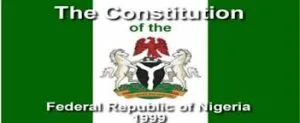
- Meaning of a Constitution
- Order
- Topic 4 of 7 this term
- Reading time
- 2 min
Learning objectives
By the end of the lesson, pupils should be able to:
- Define a constitution
- List the various British constitutional reforms in Nigeria
- Relate the reasons for the introduction of these constitutions
- Examine the effects of these constitutional reforms on Nigeria’s gradual independence
Week 8: understanding constitutions and early reforms
Lesson 1: meaning of a constitution
Definition of a constitution
Simple Definition: A constitution is a set of basic rules and laws that guide how a country is governed.
Detailed Definition: A constitution is a written or unwritten document that contains the fundamental laws, principles, and rules that govern a country. It establishes how the government should work, the rights of citizens, and the duties of leaders.
Key Elements of a Constitution:
- Structure of Government: How the government is organized
- Powers of Government: What the government can and cannot do
- Rights of Citizens: What freedoms people have
- Duties of Citizens: What people must do for their country
- Amendment Process: How the constitution can be changed
Types of Constitutions:
- Written Constitution: Laws are written down in documents
- Unwritten Constitution: Based on traditions, customs, and practices
- Flexible Constitution: Can be easily changed
- Rigid Constitution: Difficult to change, requires special procedures
Why Countries Need Constitutions:
- To prevent abuse of power by leaders
- To protect citizens’ rights
- To provide stable government
- To guide decision-making
- To resolve conflicts peacefully
- To establish law and order
Functions of a Constitution:
- Establishes the structure of government
- Defines the relationship between government and citizens
- Protects fundamental human rights
- Provides framework for making laws
- Sets limits on government power
- Ensures peaceful transfer of power
Lesson 2: overview of British constitutional reforms in Nigeria
List of major constitutional reforms
- Nigeria Council Constitution (1914)
- Leader: Lord Frederick Lugard
- Period: 1914-1922
- Type: Basic administrative framework
- Clifford Constitution (1922)
- Leader: Sir Hugh Clifford
- Period: 1922-1946
- Key Feature: Introduction of elective principle
- Richards Constitution (1946)
- Leader: Sir Arthur Richards
- Period: 1946-1951
- Key Feature: Introduction of regionalism
- Macpherson Constitution (1951)
- Leader: Sir John Macpherson
- Period: 1951-1954
- Key Feature: Greater Nigerian participation
- Lyttleton Constitution (1954)
- Leader: Oliver Lyttleton
- Period: 1954-1960
- Key Feature: Federal system of government
Timeline of constitutional development
- 1914: Amalgamation and first constitution
- 1922: Introduction of limited elections
- 1946: Creation of three regions
- 1951: Increased self-government
- 1954: Full federal system
- 1960: Independence constitution
This term's Nigerian History topics
Basic 5 First Term · 7 topics
First Term Nigerian History Lesson Notes for Other Topics

Civil Rule in Nigeria - Third Republic (1992-1993)
Read the full lesson note.

Civil Rule in Nigeria (Cont'd) - Forth Republic (1999-Present)
Read the full lesson note.

Other Pre-Colonial Settlers In Lagos
Read the full lesson note.

Nigerian People - North West And North East
Read the full lesson note.
Nigerian People: South East And North Central
Read the full lesson note.

Nigerian People: South West And South-South
Read the full lesson note.
Indigenous Occupation And Mode Of Transportation In Lagos
Read the full lesson note.
Tradition And Origin People Of Awori, Ijebu, e.t.c
Read the full lesson note.

Location Of The Indigenous People Of Lagos State
Read the full lesson note.

Indigenous People Of Lagos State - Awori, Egun, Ijebu Etc.
Read the full lesson note.

British Rule In Nigeria, Traditional Nationalism, And Resistances
Read the full lesson note.

Detailed Study Of Major Constitutions
Read the full lesson note.

British Rule In Nigeria 3
Read the full lesson note.

British Rule In Nigeria
Read the full lesson note.

British Rule In Nigeria 2
Read the full lesson note.
Lesson Notes for Other Classes

Basic 1 Lesson Note
The complete lesson note to guide your studies.
Basic 2 Lesson Note
The complete lesson note to guide your studies.

Basic 3 Lesson Note
The complete lesson note to guide your studies.

Basic 4 Lesson Note
The complete lesson note to guide your studies.

Basic 6 Lesson Note
The complete lesson note to guide your studies.

JSS1 Lesson Note
The complete lesson note to guide your studies.