
Types of Personal Security Basic 6 Security Education Lesson Note
Download Lesson NoteTopic: Types of Personal Security
Learning Objectives: By the end of the lesson, pupils should be able to:
- Mention the types of security
- Explain the types of security
- Classify the categories of security
Lesson Content:
Types of Personal Security:
- PHYSICAL SECURITY Meaning: Protection of your body and physical well-being from harm, injury, or danger.
What it includes:
- Protection from violence and attacks
- Safety from accidents and injuries
- Prevention of kidnapping and abduction
- Protection from dangerous animals
- Safety during sports and play activities
Examples:
- Wearing seatbelts in vehicles

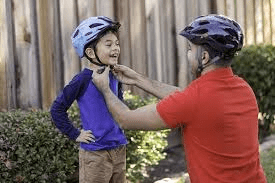
- Using helmets when riding bicycles

- Avoiding dangerous areas and situations
- Not walking alone in isolated places
- Learning basic self-defense techniques
How to maintain it:
- Stay in well-lit, populated areas
- Travel with trusted companions
- Follow safety rules and guidelines
- Be aware of your surroundings
- Report suspicious activities immediately
- INFORMATION SECURITY Meaning: Protecting your personal details and private information from unauthorized access or misuse.
What it includes:
- Keeping personal details private
- Protecting passwords and PINs
- Safeguarding family information
- Protecting school records and documents
- Maintaining privacy of personal conversations
Examples:
- Not sharing your full name with strangers
- Keeping your home address private
- Not telling strangers about your family’s schedule
- Protecting your phone and computer passwords
- Not sharing personal photos with unknown people
How to maintain it:
- Only share information with trusted adults
- Use strong passwords for devices and accounts
- Be careful about what you post online
- Don’t fill out forms or surveys from strangers
- Ask parents before sharing any personal information
- DIGITAL/CYBER SECURITY Meaning: Staying safe while using computers, internet, mobile phones, and other digital devices.
What it includes:

- Safe internet browsing
- Protection from cyber bullies
- Avoiding online predators
- Protecting digital devices from viruses
- Safe use of social media and messaging apps
Examples:
- Not meeting people you only know online
- Reporting inappropriate messages or content
- Using parental controls on devices
- Not downloading suspicious files or apps
- Being careful about what you share online
How to maintain it:
- Always use internet with adult supervision
- Don’t share personal information online
- Report cyberbullying to trusted adults
- Use secure and trusted websites only
- Keep antivirus software updated
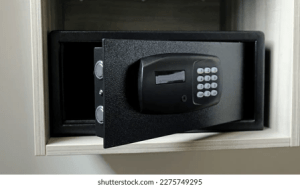
- FINANCIAL SECURITY Meaning: Protecting money, valuables, and financial information from theft or misuse.
What it includes:
- Keeping money and valuables safe
- Protecting bank account information (if any)
- Being careful with gift money and allowances
- Avoiding financial scams and tricks
- Learning about money management
Examples:
- Keeping money in safe places
- Not showing off expensive items
- Being careful when buying things
- Not giving money to strangers
- Reporting lost or stolen valuables immediately
How to maintain it:
- Keep money hidden when in public
- Don’t lend money to strangers
- Count your change carefully when buying things
- Report any missing money to parents immediately
- Learn to budget and save money properly
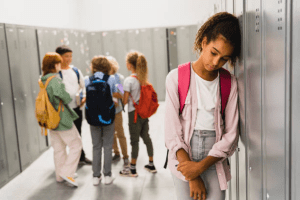
- EMOTIONAL SECURITY Meaning: Protecting your feelings, emotions, and mental well-being from harm or distress.
What it includes:
- Protection from bullying and intimidation
- Maintaining self-confidence and self-esteem
- Having emotional support from family and friends
- Feeling safe to express your feelings
- Protection from emotional abuse
Examples:
- Talking to trusted adults about your problems
- Standing up against bullies safely
- Building positive friendships
- Learning to manage emotions properly
- Seeking help when feeling sad or scared
How to maintain it:
- Communicate openly with trusted adults
- Build strong friendships with good people
- Learn healthy ways to express emotions
- Seek help when facing emotional problems
- Practice positive thinking and self-care
Categories of Security:
- PREVENTIVE SECURITY
- Actions taken to prevent security problems before they happen
- Examples: Following safety rules, avoiding dangerous areas, using protective equipment
- PROTECTIVE SECURITY
- Measures taken to shield yourself from immediate threats
- Examples: Staying with trusted adults, using security devices, seeking shelter during danger
- RESPONSIVE SECURITY
- Actions taken to respond to security incidents when they occur
- Examples: Calling for help, reporting incidents, following emergency procedures
- RECOVERY SECURITY
- Steps taken to recover and heal after a security incident
- Examples: Getting medical treatment, counseling, replacing stolen items
Multiple Choice Questions:
- Physical security focuses on protecting: a) Your computer files b) Your body and physical well-being c) Your money only d) Your online accounts
- Information security involves: a) Sharing all your details with everyone b) Protecting personal details from unauthorized access c) Never talking to anyone d) Avoiding all technology
- Digital security includes: a) Only using computers for games b) Staying safe while using internet and digital devices c) Avoiding all technology d) Sharing passwords with friends
- Emotional security means: a) Never showing any emotions b) Protecting feelings and mental well-being c) Always being angry d) Avoiding all relationships
- Preventive security involves: a) Waiting for problems to happen b) Taking actions to prevent problems before they happen c) Ignoring all safety rules d) Only reacting after incidents occur
Answers: 1-b, 2-b, 3-b, 4-b, 5-b
Homework:
- Give two examples each of physical, information, digital, and emotional security
- Classify three security measures in your home as preventive, protective, or responsive
- Write about one type of security that is most important to you and explain why
- Create a simple chart showing the five types of personal security with examples
First Term Security Education Lesson Notes for Other Topics

Personal Security
Explore lesson notes covering all topics.

Importance of Personal Security
Explore lesson notes covering all topics.

Precautionary Measures on Personal Security
Explore lesson notes covering all topics.

Personnel to Contact during Emergency
Explore lesson notes covering all topics.

Emergency Phone Numbers
Explore lesson notes covering all topics.

Acting Properly in the Face of Danger
Explore lesson notes covering all topics.

Revision - Final Review and Assessment
Explore lesson notes covering all topics.
Elements of Security
Explore lesson notes covering all topics.
Elements of Security - Integrity
Explore lesson notes covering all topics.
Elements of Security - Confidentiality
Explore lesson notes covering all topics.

Elements of Security - Authenticity
Explore lesson notes covering all topics.
Elements of Security - Availability
Explore lesson notes covering all topics.
Empathy
Explore lesson notes covering all topics.
Partnering with Key Security Departments
Explore lesson notes covering all topics.
Elements of Security - Creativity in Sharing Information
Explore lesson notes covering all topics.
Lesson Notes for Other Classes
Basic 1 Lesson Note
The complete lesson note to guide your studies.

Basic 2 Lesson Note
The complete lesson note to guide your studies.

Basic 3 Lesson Note
The complete lesson note to guide your studies.

Basic 4 Lesson Note
The complete lesson note to guide your studies.

Basic 5 Lesson Note
The complete lesson note to guide your studies.

JSS1 Lesson Note
The complete lesson note to guide your studies.