
Acting Properly in the Face of Danger Basic 6 Security Education Lesson Note
Download Lesson NoteTopic: Acting Properly in the Face of Danger
Learning Objectives: By the end of the lesson, pupils should be able to:
- Explain the meaning of danger
- Illustrate what to do in the face of danger
- Act properly in the face of danger
- Improve on fighting danger
Lesson Content:
What is Danger?
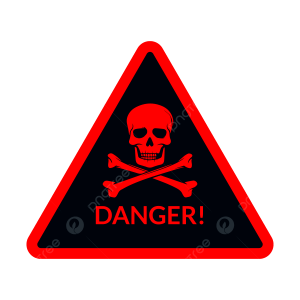
Definition: Danger is any situation, person, object, or condition that can cause harm, injury, damage, or loss to you, others, or property. It represents a threat to safety and security that requires immediate attention and appropriate response.
Types of Danger:
- IMMEDIATE PHYSICAL DANGER:
- Examples: Fire, accidents, attacks, falling objects, dangerous animals
- Characteristics: Requires instant response, threatens life or serious injury
- Response Time: Seconds to minutes to react
- POTENTIAL DANGER:
- Examples: Unsafe buildings, bad weather approaching, suspicious people
- Characteristics: Could become dangerous, allows time for prevention
- Response Time: Minutes to hours to take action
- HIDDEN DANGER:
- Examples: Poisonous substances, electrical hazards, online predators
- Characteristics: Not immediately obvious, requires awareness and knowledge
- Response Time: Ongoing vigilance needed
What to Do in the Face of Danger:
- THE STOP-THINK-ACT METHOD
STOP:
- Pause and assess the situation
- Don’t panic or make hasty decisions
- Take a deep breath to stay calm
- Observe what’s happening around you
- Control your emotions and fear
THINK:
- Identify the type and level of danger
- Consider your options for response
- Think about consequences of different actions
- Remember safety rules and training
- Consider who can help you
ACT:
- Choose the safest course of action
- Move quickly but carefully
- Follow emergency procedures you’ve learned
- Get help from appropriate people
- Stay calm while taking action
- THE 3 R’s OF DANGER RESPONSE
RECOGNIZE:
- Learn Warning Signs: Smoke, strange smells, unusual sounds, threatening behavior
- Trust Your Instincts: If something feels wrong, it probably is
- Stay Alert: Pay attention to your surroundings
- Know Common Dangers: Fire, storms, accidents, crime, health emergencies
RETREAT/REMOVE:
- Get Away Safely: Move to a safe location immediately
- Remove Others: Help others get to safety if possible
- Create Distance: Put space between yourself and the danger
- Find Shelter: Seek protection in safe buildings or areas
REPORT:
- Call for Help: Use emergency numbers (199, 911)
- Alert Others: Warn people about the danger
- Give Information: Provide details to emergency responders
- Follow Instructions: Listen to and obey emergency personnel
- SPECIFIC DANGER RESPONSE PROCEDURES
Fire Emergencies:
- GET OUT: Leave the building immediately
- STAY LOW: Crawl under smoke to breathe better
- CLOSE DOORS: Close doors behind you to slow fire spread
- CALL 199: Report the fire immediately
- MEET OUTSIDE: Go to designated meeting place
- DON’T GO BACK: Never return to burning building
Personal Attack/Stranger Danger:
- RUN: Get away from the dangerous person
- YELL: Scream loudly to attract attention (“Help! Stranger!”)
- TELL: Report to trusted adults immediately
- DON’T TALK: Don’t engage with threatening strangers
- STAY TOGETHER: Travel in groups when possible
Natural Disasters:
- FOLLOW PLANS: Use family and school emergency plans
- SEEK SHELTER: Go to designated safe areas
- LISTEN TO RADIO: Follow official emergency broadcasts
- STAY TOGETHER: Keep family members together
- WAIT FOR ALL-CLEAR: Don’t leave shelter until it’s safe
Medical Emergencies:
- DON’T MOVE: Don’t move seriously injured people
- CALL FOR HELP: Get medical assistance immediately
- PROVIDE COMFORT: Stay with the person and reassure them
- FOLLOW INSTRUCTIONS: Do what emergency responders tell you
- CLEAR THE AREA: Give medical personnel space to work
How to Act Properly in Dangerous Situations:
- STAY CALM AND FOCUSED
- Control Fear: Fear is natural, but don’t let it control you
- Think Clearly: Panic clouds judgment and leads to mistakes
- Breathe Deeply: Slow, deep breathing helps maintain calm
- Focus on Solutions: Think about what you can do, not what might happen
- USE YOUR TRAINING
- Remember Drills: Apply what you’ve learned in safety drills
- Follow Procedures: Use emergency procedures you’ve been taught
- Apply First Aid: Use basic first aid knowledge if trained
- Use Technology: Know how to use emergency devices and phones
- PROTECT YOURSELF FIRST
- Personal Safety: You can’t help others if you’re not safe
- Assess Risks: Don’t put yourself in unnecessary danger
- Use Protection: Wear or use safety equipment when available
- Know Your Limits: Don’t attempt things beyond your abilities
- HELP OTHERS APPROPRIATELY
- Alert Others: Warn people about dangers
- Guide to Safety: Help others find safe areas
- Call for Help: Get professional assistance for others
- Provide Comfort: Reassure and support scared or injured people
Improving Your Ability to Fight Danger:
- EDUCATION AND AWARENESS
- Learn About Dangers: Study common dangers in your area
- Take Safety Courses: Participate in first aid and safety training
- Practice Skills: Regular practice of emergency procedures
- Stay Updated: Keep learning about new safety information
- PHYSICAL PREPAREDNESS
- Stay Fit: Good physical condition helps in emergencies
- Learn Basic Skills: Swimming, climbing, basic self-defense
- Practice Evacuation: Know how to move quickly and safely
- Build Endurance: Develop stamina for emergency situations
- MENTAL PREPAREDNESS
- Develop Confidence: Believe in your ability to handle emergencies
- Practice Scenarios: Imagine different dangerous situations and responses
- Control Emotions: Learn to manage fear, anger, and panic
- Build Resilience: Develop ability to recover from difficult situations
- SOCIAL PREPAREDNESS
- Build Networks: Know people who can help in emergencies
- Team Skills: Learn to work with others during crises
- Communication: Practice clear communication during stress
- Leadership: Develop ability to guide others to safety
- RESOURCE PREPAREDNESS
- Emergency Supplies: Keep basic emergency supplies available
- Communication Tools: Know how to use phones, radios, and alerts
- Safety Equipment: Access to flashlights, first aid kits, protection
- Information Access: Know where to get emergency information
Common Mistakes to Avoid:
Don’t:
- Panic or freeze when danger appears
- Rush into dangerous situations without thinking
- Ignore warning signs or gut feelings
- Try to be a hero beyond your capabilities
- Forget to call for professional help
- Leave others behind if you can safely help them
Do:
- Stay calm and think clearly
- Follow established emergency procedures
- Trust trained professionals to handle complex situations
- Help others within your abilities
- Learn from each dangerous situation you encounter
- Practice and improve your emergency response skills
Multiple Choice Questions:
- Danger is: a) Always fun and exciting b) Any situation that can cause harm or injury c) Something that never happens to children d) Only found in movies
- The STOP-THINK-ACT method means: a) Never respond to danger b) Pause, assess the situation, then take appropriate action c) Always run away immediately d) Wait for someone else to handle it
- In a fire emergency, you should: a) Hide under your bed b) Get out immediately and call 199 c) Try to put out the fire yourself d) Open all windows first
- When facing stranger danger, you should: a) Talk to the stranger to be polite b) Run, yell for help, and tell trusted adults c) Give the stranger what they want d) Try to help the stranger
- To improve your ability to fight danger, you should: a) Ignore all safety training b) Learn about dangers and practice emergency procedures c) Avoid all potentially dangerous situations d) Wait until you’re an adult to learn
Answers: 1-b, 2-b, 3-b, 4-b, 5-b
Homework:
- Create a personal danger response plan for your home and school
- Practice the STOP-THINK-ACT method with three different danger scenarios
- Interview a family member about a time they faced danger and how they responded
- Make a list of warning signs for five different types of danger
First Term Security Education Lesson Notes for Other Topics

Personal Security
Explore lesson notes covering all topics.

Types of Personal Security
Explore lesson notes covering all topics.

Importance of Personal Security
Explore lesson notes covering all topics.

Precautionary Measures on Personal Security
Explore lesson notes covering all topics.

Personnel to Contact during Emergency
Explore lesson notes covering all topics.

Emergency Phone Numbers
Explore lesson notes covering all topics.

Revision - Final Review and Assessment
Explore lesson notes covering all topics.
Elements of Security
Explore lesson notes covering all topics.
Elements of Security - Integrity
Explore lesson notes covering all topics.
Elements of Security - Confidentiality
Explore lesson notes covering all topics.

Elements of Security - Authenticity
Explore lesson notes covering all topics.
Elements of Security - Availability
Explore lesson notes covering all topics.
Empathy
Explore lesson notes covering all topics.
Partnering with Key Security Departments
Explore lesson notes covering all topics.
Elements of Security - Creativity in Sharing Information
Explore lesson notes covering all topics.
Lesson Notes for Other Classes

Basic 1 Lesson Note
The complete lesson note to guide your studies.

Basic 2 Lesson Note
The complete lesson note to guide your studies.

Basic 3 Lesson Note
The complete lesson note to guide your studies.

Basic 4 Lesson Note
The complete lesson note to guide your studies.

Basic 5 Lesson Note
The complete lesson note to guide your studies.

JSS1 Lesson Note
The complete lesson note to guide your studies.