
Personal Security Basic 6 Security Education Lesson Note
Download Lesson NoteTopic: Personal Security
Learning Objectives: By the end of the lesson, pupils should be able to:
- Define personal security
- Identify adults they can reach out to in times of problems
- Tell why we need personal security
Lesson Content:
What is Personal Security? Personal security is the protection of yourself, your belongings, and your personal information from harm, danger, or threats. It involves taking steps to keep yourself safe from physical harm, theft, kidnapping, abuse, or any form of danger.
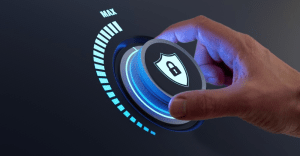
Key Elements of Personal Security:
- Physical Safety: Protecting your body from harm or injury
- Property Security: Keeping your belongings safe from theft
- Information Security: Protecting your personal details and private information
- Emotional Security: Feeling safe and protected from fear and anxiety
- Digital Security: Staying safe online and protecting your digital information
Adults You Can Reach Out to in Times of Problems:
- FAMILY MEMBERS:
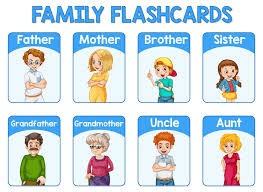
- Parents/Guardians: Your first line of protection and support
- Older siblings: Can help and protect you when parents are not around
- Grandparents: Provide wisdom, guidance, and protection
- Aunts and Uncles: Extended family who care about your welfare
- Family friends: Trusted adults who know your family well
- SCHOOL PERSONNEL:
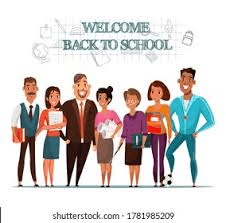
- Teachers: Can help with problems at school and provide guidance
- Principal/Headteacher: School leader who ensures student safety
- School counselor: Helps with emotional and personal problems
- Security guards: Protect the school environment
- School nurse: Provides medical assistance when needed
- COMMUNITY MEMBERS:

- Neighbors: People living near you who can help in emergencies
- Religious leaders: Pastors, Imams, traditional priests who provide guidance
- Community leaders: Village heads, local government officials
- Medical personnel: Doctors, nurses in clinics and hospitals
- Shopkeepers: Trusted business people in your community
- SECURITY PERSONNEL:

- Police officers: Law enforcement officers who maintain peace and order
- Military personnel: Soldiers who protect the country and citizens
- Civil defense officers: Help during emergencies and disasters
- Fire service officers: Respond to fire emergencies
- Road safety officers: Ensure safety on roads and highways
Why We Need Personal Security:
- PROTECTION FROM PHYSICAL HARM:
- Prevents injuries from accidents and violence
- Protects from attacks by criminals or bad people
- Keeps you safe from dangerous animals or objects
- Reduces risk of getting hurt during activities
- Ensures your physical well-being
- PROTECTION OF PROPERTY:
- Prevents theft of your belongings
- Keeps your school materials and toys safe
- Protects family property and valuables
- Prevents loss of important documents
- Maintains your family’s economic security
- PEACE OF MIND:
- Reduces fear and anxiety about safety
- Allows you to focus on learning and playing
- Creates confidence to explore and learn
- Builds trust in your environment
- Promotes mental and emotional health
- PROTECTION FROM ABUSE:
- Prevents physical, emotional, or sexual abuse
- Protects from bullying and intimidation
- Keeps you safe from exploitation
- Ensures your rights are respected
- Maintains your dignity and self-worth
- SAFETY ONLINE AND OFFLINE:
- Protects from cyber criminals and online predators
- Keeps your personal information private
- Prevents identity theft and fraud
- Protects from inappropriate online content
- Ensures safe use of technology
- FAMILY AND COMMUNITY SAFETY:
- Contributes to overall family security
- Helps maintain community peace
- Reduces crime in your neighborhood
- Promotes collective safety and well-being
- Builds stronger, safer communities
Personal Security Habits to Develop:
- Always tell trusted adults where you are going
- Stay alert and aware of your surroundings
- Avoid talking to strangers or accepting gifts from them
- Keep personal information private
- Follow safety rules at home, school, and in the community
- Report any suspicious activities to trusted adults
- Learn emergency contact numbers
- Practice good hygiene to prevent diseases
Multiple Choice Questions:
- Personal security means: a) Only protecting your money b) Protection of yourself and belongings from harm or danger c) Avoiding all people d) Staying indoors always
- Which of these is a trusted adult you can reach out to? a) Strangers on the street b) Your teacher c) Unknown people online d) People who offer you gifts
- Why do we need personal security? a) To make life complicated b) To avoid meeting new people c) To protect from physical harm and maintain peace of mind d) To live in fear
- Personal security includes protecting: a) Only your physical body b) Only your belongings c) Only your information d) Your body, belongings, and information
- Family members who can help include: a) Only parents b) Parents, siblings, grandparents, and other relatives c) Only children d) Only strangers
Answers: 1-b, 2-b, 3-c, 4-d, 5-b
Homework:
- Make a list of five trusted adults in your life and their contact information
- Write about why personal security is important to you and your family
- Draw a picture showing yourself practicing one personal security habit
- Ask your parents about three family safety rules you should always follow
First Term Security Education Lesson Notes for Other Topics

Types of Personal Security
Explore lesson notes covering all topics.

Importance of Personal Security
Explore lesson notes covering all topics.

Precautionary Measures on Personal Security
Explore lesson notes covering all topics.

Personnel to Contact during Emergency
Explore lesson notes covering all topics.

Emergency Phone Numbers
Explore lesson notes covering all topics.

Acting Properly in the Face of Danger
Explore lesson notes covering all topics.

Revision - Final Review and Assessment
Explore lesson notes covering all topics.
Elements of Security
Explore lesson notes covering all topics.
Elements of Security - Integrity
Explore lesson notes covering all topics.
Elements of Security - Confidentiality
Explore lesson notes covering all topics.

Elements of Security - Authenticity
Explore lesson notes covering all topics.
Elements of Security - Availability
Explore lesson notes covering all topics.
Empathy
Explore lesson notes covering all topics.
Partnering with Key Security Departments
Explore lesson notes covering all topics.
Elements of Security - Creativity in Sharing Information
Explore lesson notes covering all topics.
Lesson Notes for Other Classes

Basic 1 Lesson Note
The complete lesson note to guide your studies.

Basic 2 Lesson Note
The complete lesson note to guide your studies.

Basic 3 Lesson Note
The complete lesson note to guide your studies.

Basic 4 Lesson Note
The complete lesson note to guide your studies.
Basic 5 Lesson Note
The complete lesson note to guide your studies.

JSS1 Lesson Note
The complete lesson note to guide your studies.