
Precautionary Measures on Personal Security Basic 6 Security Education Lesson Note
Download Lesson NoteTopic: Precautionary Measures on Personal Security
Learning Objectives: By the end of the lesson, pupils should be able to:
- List precautionary measures on personal security
- Discuss the precautionary measures on personal security
- Analyze precautionary measures such as technology devices (cameras)
- Formulate security policies
Lesson Content:
Precautionary Measures on Personal Security:
- PHYSICAL SECURITY MEASURES
At Home:
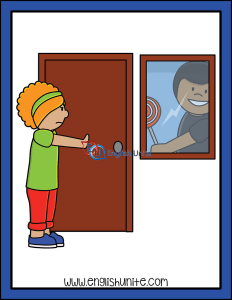
- Lock doors and windows when leaving or sleeping
- Don’t open doors to strangers
- Install security lights around the house
- Keep valuable items hidden from view
- Have working smoke detectors and fire extinguishers
- Create family emergency plans and escape routes
At School:
- Follow all school safety rules and regulations
- Stay within school boundaries during school hours
- Report suspicious activities to teachers immediately
- Keep personal belongings secure in lockers
- Travel in groups when moving around school
- Know location of emergency exits and first aid kits
In Public Places:
- Stay close to parents or guardians
- Avoid isolated or poorly lit areas
- Be aware of surroundings at all times
- Don’t display expensive items openly
- Use pedestrian crossings and follow traffic rules
- Stay in crowded, well-populated areas
- INFORMATION SECURITY MEASURES
Personal Information Protection:
- Never share full name, address, or phone number with strangers
- Keep family schedules and travel plans private
- Don’t discuss family’s financial situation with others
- Protect school ID cards and documents
- Be careful about photos and personal details on social media
Document Security:
- Keep important documents in safe places
- Make copies of important documents
- Don’t carry unnecessary personal documents
- Report lost or stolen documents immediately
- Use password protection on personal devices
- DIGITAL SECURITY MEASURES
Internet Safety:
- Use internet only with adult supervision
- Never meet people you’ve only met online
- Don’t download files from unknown sources
- Use strong passwords for all accounts
- Report cyberbullying or inappropriate content
- Keep personal information private online
Device Security:
- Lock phones and tablets with passwords or PINs
- Don’t lend devices to strangers
- Install and update antivirus software
- Back up important data regularly
- Be careful when using public WiFi networks
- TECHNOLOGY DEVICES FOR SECURITY
Security Cameras: How they work:
- Record activities in and around buildings
- Provide evidence of crimes or incidents
- Deter criminals from committing offenses
- Allow monitoring of large areas remotely
- Help identify suspects and witnesses
Benefits:
- Prevent theft and vandalism
- Provide evidence for law enforcement
- Increase feelings of safety and security
- Monitor children’s activities for safety
- Reduce insurance costs for property
Limitations:
- Can be expensive to install and maintain
- May not prevent determined criminals
- Require proper positioning for effectiveness
- Need regular maintenance and updates
- May raise privacy concerns
Other Security Technology:
- Alarm Systems: Alert when unauthorized entry occurs
- Motion Sensors: Detect movement in protected areas
- Door/Window Sensors: Signal when doors or windows are opened
- Emergency Buttons: Quickly call for help in emergencies
- GPS Tracking: Help locate people or items when lost
- Smart Locks: Control access using codes or biometrics
- COMMUNICATION SECURITY MEASURES
Safe Communication:
- Only communicate with known and trusted people
- Don’t share personal details in conversations
- Report threatening or inappropriate messages
- Use privacy settings on social media accounts
- Be careful about what you post or share online
Emergency Communication:
- Memorize important emergency phone numbers
- Keep emergency contact list updated
- Know how to use phones and communication devices
- Practice making emergency calls
- Have backup communication methods
Formulating Security Policies:
Personal Security Policy Elements:
- FAMILY SECURITY RULES:
- Always tell parents where you’re going
- Check in regularly when away from home
- Don’t go anywhere with strangers
- Follow curfew times set by parents
- Report any problems or concerns immediately
- SCHOOL SECURITY POLICIES:
- Arrive and leave school at designated times
- Stay within school premises during school hours
- Report bullying or threats to teachers
- Follow school dress code and behavior rules
- Participate in emergency drills and procedures
- ONLINE SECURITY POLICIES:
- Never share passwords with friends
- Don’t post personal information online
- Report inappropriate content or behavior
- Use internet only for educational purposes
- Get permission before joining new online platforms
- EMERGENCY RESPONSE POLICIES:
- Know what to do in different emergency situations
- Practice emergency procedures regularly
- Keep emergency supplies and contact information accessible
- Stay calm and follow instructions during emergencies
- Help others when safe to do so
Sample Personal Security Policy:
“My Personal Security Rules”
- I will always tell my parents where I am going and when I’ll return
- I will never go anywhere with strangers or people I don’t trust
- I will keep my personal information private and secure
- I will follow all safety rules at home, school, and in public
- I will report any problems or threats to trusted adults immediately
- I will stay alert and aware of my surroundings
- I will use technology safely and responsibly
- I will help keep my family and community safe
- I will practice emergency procedures regularly
- I will treat others with respect and expect the same treatment
Multiple Choice Questions:
- A good precautionary measure at home is: a) Leaving doors unlocked b) Opening doors to all visitors c) Locking doors and windows when leaving d) Hiding from all visitors
- Security cameras help by: a) Making crimes more likely b) Recording activities and deterring criminals c) Encouraging theft d) Making people less safe
- Information security includes: a) Sharing personal details with everyone b) Never talking to anyone c) Keeping personal information private d) Telling strangers everything
- A personal security policy should include: a) Rules for breaking safety guidelines b) Rules for staying safe and secure c) Ways to avoid all people d) Instructions for taking risks
- Emergency communication involves: a) Never calling for help b) Memorizing important emergency phone numbers c) Avoiding all communication d) Only texting during emergencies
Answers: 1-c, 2-b, 3-c, 4-b, 5-b
Homework:
- Create a list of 10 personal security rules for your family
- Research three types of security technology and explain how they work
- Design a security plan for your bedroom or study area
- Write about how security cameras in your school help keep students safe
First Term Security Education Lesson Notes for Other Topics

Personal Security
Explore lesson notes covering all topics.

Types of Personal Security
Explore lesson notes covering all topics.

Importance of Personal Security
Explore lesson notes covering all topics.

Personnel to Contact during Emergency
Explore lesson notes covering all topics.

Emergency Phone Numbers
Explore lesson notes covering all topics.

Acting Properly in the Face of Danger
Explore lesson notes covering all topics.

Revision - Final Review and Assessment
Explore lesson notes covering all topics.
Elements of Security
Explore lesson notes covering all topics.
Elements of Security - Integrity
Explore lesson notes covering all topics.
Elements of Security - Confidentiality
Explore lesson notes covering all topics.

Elements of Security - Authenticity
Explore lesson notes covering all topics.
Elements of Security - Availability
Explore lesson notes covering all topics.
Empathy
Explore lesson notes covering all topics.
Partnering with Key Security Departments
Explore lesson notes covering all topics.
Elements of Security - Creativity in Sharing Information
Explore lesson notes covering all topics.
Lesson Notes for Other Classes

Basic 1 Lesson Note
The complete lesson note to guide your studies.

Basic 2 Lesson Note
The complete lesson note to guide your studies.

Basic 3 Lesson Note
The complete lesson note to guide your studies.

Basic 4 Lesson Note
The complete lesson note to guide your studies.

Basic 5 Lesson Note
The complete lesson note to guide your studies.

JSS1 Lesson Note
The complete lesson note to guide your studies.