
Personnel to Contact during Emergency Basic 6 Security Education Lesson Note
Download Lesson NoteTopic: Personnel to Contact during Emergency
Learning Objectives: By the end of the lesson, pupils should be able to:
- Mention security agents to contact during emergency
- Give examples of personnel to contact during emergency
- Explain the work of security personnel
Lesson Content:
Security Agents to Contact During Emergency:
- POLICE OFFICERS

When to Contact:
- Criminal activities (theft, robbery, assault)
- Missing persons or kidnapping cases
- Domestic violence or abuse
- Road accidents and traffic problems
- Suspicious activities in the neighborhood
- Property disputes and conflicts
Their Work:
- Investigate crimes and arrest criminals
- Patrol neighborhoods to prevent crime
- Respond to emergency calls for help
- Direct traffic and enforce road safety
- Protect people and property
- Maintain peace and order in communities
How to Contact:
- Emergency number: 199 or 911
- Visit nearest police station
- Flag down police patrol vehicles
- Report through community police officers
- Use police complaint apps where available
- FIRE SERVICE OFFICERS
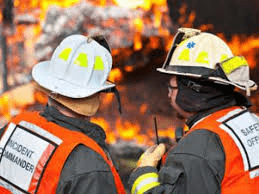
When to Contact:
- House fires or building fires
- Forest fires or bushfires
- Gas leaks and explosions
- Chemical spills and hazardous material incidents
- People trapped in elevators or buildings
- Rescue operations in dangerous situations
Their Work:
- Fight fires and prevent fire spread
- Rescue people from burning buildings
- Provide emergency medical assistance
- Educate public about fire safety
- Inspect buildings for fire safety compliance
- Respond to hazardous material emergencies
Contact Information:
- Emergency number: 199 or local fire station number
- Visit nearest fire station
- Sound fire alarm in buildings
- Alert through community emergency systems
- MEDICAL EMERGENCY PERSONNEL

When to Contact:
- Serious injuries or accidents
- Medical emergencies (heart attack, stroke)
- Poisoning or overdose cases
- Severe allergic reactions
- Breathing difficulties or unconsciousness
- Mental health emergencies
Personnel Include:
- Paramedics: Provide emergency medical care
- Ambulance drivers: Transport patients to hospitals
- Emergency doctors: Treat critical patients
- Nurses: Provide medical care and support
- Emergency medical technicians: Basic life support
Their Work:
- Provide immediate medical care
- Stabilize patients before hospital transport
- Perform life-saving procedures
- Monitor vital signs during transport
- Communicate with hospital emergency rooms
- Educate public about first aid
Contact Information:
- Emergency number: 199 or local ambulance service
- Call nearest hospital emergency department
- Visit clinic or health center
- Use emergency medical apps
- CIVIL DEFENSE AND EMERGENCY MANAGEMENT
When to Contact:
- Natural disasters (floods, storms, earthquakes)
- Man-made disasters (building collapses, explosions)
- Mass casualties or multiple victim incidents
- Community evacuations
- Large-scale emergencies affecting many people
Their Work:
- Coordinate emergency response efforts
- Manage disaster relief operations
- Organize evacuations and shelters
- Distribute emergency supplies
- Train communities in disaster preparedness
- Coordinate with other emergency services
- MILITARY PERSONNEL
When to Contact:
- Terrorist attacks or threats
- Civil unrest or riots
- Border security issues
- Large-scale disasters requiring military support
- Threats to national security
Their Work:
- Protect national security and sovereignty
- Support civil authorities during emergencies
- Provide security during disasters
- Assist in search and rescue operations
- Maintain peace during civil unrest
- Support humanitarian operations
- ROAD SAFETY OFFICIALS
When to Contact:
- Road accidents and traffic emergencies
- Dangerous road conditions
- Traffic violations and road safety issues
- Vehicle breakdowns on highways
- Road obstruction and hazards
Their Work:
- Manage traffic flow and safety
- Investigate road accidents
- Enforce traffic laws and regulations
- Provide roadside assistance
- Educate public about road safety
- Maintain road safety equipment
Other Emergency Personnel:
- SECURITY GUARDS
- Protect specific buildings or areas
- Monitor security cameras and alarms
- Control access to protected areas
- Report incidents to appropriate authorities
- Provide first response to security issues
- COMMUNITY VOLUNTEERS
- Assist during local emergencies
- Provide first aid and basic support
- Help with evacuations and shelters
- Support professional emergency services
- Organize community response efforts
- RED CROSS/RED CRESCENT WORKERS
- Provide humanitarian assistance
- Offer first aid and medical support
- Distribute relief materials
- Assist refugees and displaced persons
- Support disaster response efforts
How to Identify Legitimate Security Personnel:
Uniform and Identification:
- Wear official uniforms with proper insignia
- Carry official identification cards
- Display badge numbers and service information
- Have authorized vehicles with proper markings
- Show professional behavior and training
Verification Methods:
- Ask to see official identification
- Call their agency to verify identity
- Check for proper uniforms and equipment
- Observe professional behavior and procedures
- Get supervisor contact information if uncertain
Important Tips:
- Real emergency personnel will never ask for payment for emergency services
- They will not ask for personal financial information
- They will identify themselves clearly
- They will explain their actions and authority
- They will have proper equipment and vehicles
Multiple Choice Questions:
- You should contact police when: a) You want to play games b) There are criminal activities or suspicious behavior c) You need help with homework d) You want to make friends
- Fire service officers help with: a) Only house fires b) Fires, rescues, and hazardous material incidents c) Only cooking problems d) Traffic control
- Medical emergency personnel include: a) Only doctors b) Paramedics, ambulance drivers, and emergency medical staff c) Only nurses d) Only hospital workers
- You should contact civil defense during: a) Normal school days b) Natural disasters and large-scale emergencies c) Regular shopping trips d) Birthday parties
- Legitimate security personnel will: a) Ask for money for their services b) Wear official uniforms and carry proper identification c) Refuse to show identification d) Ask for your personal financial information
Answers: 1-b, 2-b, 3-b, 4-b, 5-b
Homework:
- Make a list of emergency personnel in your community with their contact information
- Interview a security officer about their daily work and responsibilities
- Create a poster showing different emergency personnel and when to contact them
- Practice identifying the uniforms and roles of different security personnel
First Term Security Education Lesson Notes for Other Topics

Personal Security
Explore lesson notes covering all topics.

Types of Personal Security
Explore lesson notes covering all topics.

Importance of Personal Security
Explore lesson notes covering all topics.

Precautionary Measures on Personal Security
Explore lesson notes covering all topics.

Emergency Phone Numbers
Explore lesson notes covering all topics.

Acting Properly in the Face of Danger
Explore lesson notes covering all topics.

Revision - Final Review and Assessment
Explore lesson notes covering all topics.
Elements of Security
Explore lesson notes covering all topics.
Elements of Security - Integrity
Explore lesson notes covering all topics.
Elements of Security - Confidentiality
Explore lesson notes covering all topics.

Elements of Security - Authenticity
Explore lesson notes covering all topics.
Elements of Security - Availability
Explore lesson notes covering all topics.
Empathy
Explore lesson notes covering all topics.
Partnering with Key Security Departments
Explore lesson notes covering all topics.
Elements of Security - Creativity in Sharing Information
Explore lesson notes covering all topics.
Lesson Notes for Other Classes

Basic 1 Lesson Note
The complete lesson note to guide your studies.

Basic 2 Lesson Note
The complete lesson note to guide your studies.

Basic 3 Lesson Note
The complete lesson note to guide your studies.

Basic 4 Lesson Note
The complete lesson note to guide your studies.
Basic 5 Lesson Note
The complete lesson note to guide your studies.

JSS1 Lesson Note
The complete lesson note to guide your studies.