
Reading: Drug Use and Consequences Basic 6 English Studies Lesson Note
Download Lesson NoteTopic: Reading: Drug Use and Consequences
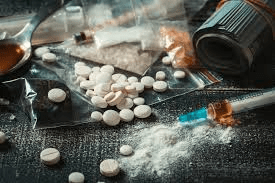
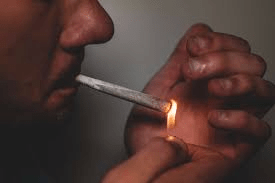
Understanding Drug Use: Education for Young People
Drugs are substances that change the way our bodies and minds work. Some drugs, called medicines, help us get better when we are sick. However, other drugs can be very dangerous, especially when used wrongly or by young people.
Types of Drugs: There are two main types of drugs that young people should know about. Legal drugs include medicines prescribed by doctors, such as antibiotics for infections or paracetamol for headaches. These drugs are safe when used correctly under adult supervision. Illegal drugs include substances like marijuana, cocaine, and heroin, which are forbidden by law because they cause serious harm.
Normal Use of Medicines: When medicines are used properly, they help our bodies heal and fight diseases. For example, antibiotics kill harmful bacteria, while pain relievers reduce discomfort. Doctors and pharmacists give specific instructions about how much medicine to take and when to take it. Following these instructions carefully ensures the medicine works effectively without causing harm.
Drug Abuse and Its Consequences: Drug abuse happens when people use medicines incorrectly or take illegal drugs. This can lead to serious problems including addiction, where the person cannot stop using the drug even when it hurts them. Physical consequences include damage to the brain, heart, and other organs. Mental consequences include depression, anxiety, and difficulty thinking clearly.
Effects on Young People: Young people’s bodies and brains are still developing, making them more vulnerable to drug damage. Drug use can interfere with education, causing poor grades and school dropout. It also affects relationships with family and friends, often leading to isolation and loneliness.
Staying Safe: The best way to stay safe is to never experiment with illegal drugs and to use medicines only as directed by adults. Young people should talk to parents, teachers, or trusted adults if they have questions about drugs. Remember, saying “no” to drugs is always the right choice.
Exercise F – Reading Comprehension
Answer these questions:
- What are the two main types of drugs mentioned?
- Give two examples of legal drugs.
- What happens when medicines are used properly?
- What is drug abuse?
- Why are young people more vulnerable to drug damage?
- What is the best way to stay safe from dangerous drugs?
Exercise G – Vocabulary from Passage
Match these words with their meanings:
- prescribed a. easily hurt or harmed
- addiction b. ordered by a doctor
- vulnerable c. unable to stop using something harmful
- consequences d. results or effects of actions
- supervision e. watching over and guiding someone
Second Term English Studies Lesson Notes for Other Topics
Structure: Adverbs
Explore lesson notes covering all topics.
Reading: Observable Study of Butterflies
Explore lesson notes covering all topics.
Dictation for the Week
Explore lesson notes covering all topics.
Writing: Recording Observations
Explore lesson notes covering all topics.
Reading: Newspaper Features
Explore lesson notes covering all topics.
Structure: Simile
Explore lesson notes covering all topics.
Writing: Technical Manuals
Explore lesson notes covering all topics.
Dictation for the week
Explore lesson notes covering all topics.
Writing: Expository Essay
Explore lesson notes covering all topics.
Speech Work: Guided Speech Making
Explore lesson notes covering all topics.
Structure: Similes and Metaphors
Explore lesson notes covering all topics.
Dictation for the Week
Explore lesson notes covering all topics.
Writing: Expository Composition
Explore lesson notes covering all topics.

Supplementary Reading
Explore lesson notes covering all topics.
Reading: Passage on Important Topics in Nature
Explore lesson notes covering all topics.
Lesson Notes for Other Classes
Basic 1 Lesson Note
The complete lesson note to guide your studies.

Basic 2 Lesson Note
The complete lesson note to guide your studies.
Basic 3 Lesson Note
The complete lesson note to guide your studies.

Basic 4 Lesson Note
The complete lesson note to guide your studies.
Basic 5 Lesson Note
The complete lesson note to guide your studies.
JSS1 Lesson Note
The complete lesson note to guide your studies.