
Maintenance Of Sports Facilities And Equipment Basic 5 Physical & Health Education Lesson Note
Download Lesson NoteTopic: Maintenance Of Sports Facilities And Equipment
Behavioural Objectives
At the end of the lesson, the pupils should be able to:
- Differentiate between sports facilities and equipment
- List sports facilities and equipment
- Investigate the reasons for keeping sports facilities and equipment
Instructional Materials
- Wall charts
- Pictures
- Related Online Video
- Flash Cards
- Table Tennis board
- Goalpost
- Jersey
Methods of Teaching
- Class Discussion
- Group Discussion
- Asking Questions
- Explanation
- Role Modelling
- Role Delegation
Reference Materials
- Scheme of Work
- Online Information
- Textbooks
- Workbooks
- 9 Year Basic Education Curriculum
- Workbooks
Content
Understanding Sports Facilities and Equipment
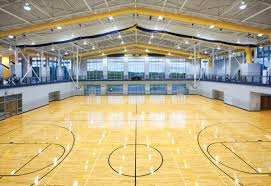
Sports facilities are places where people can play sports or engage in physical activity. These can be indoor or outdoor and can vary in size and complexity. Examples of sports facilities include:
Types of Sports Facilities:
- Stadiums: Large outdoor facilities used for events such as football or baseball games
- Arenas: Indoor facilities used for events such as basketball or ice hockey games
- Gyms: Indoor facilities equipped with machines and weights for exercise and training
- Swimming pools: Facilities used for swimming and water-based activities
- Tennis courts: Facilities used for playing tennis
- Golf courses: Facilities used for playing golf
Sports Equipment
Sports equipment refers to the items used in a particular sport or physical activity. These can vary widely depending on the sport or activity being played. Examples of sports equipment include:
Types of Sports Equipment:
- Balls: Used in sports such as basketball, football, and soccer
- Bats: Used in sports such as baseball and cricket
- Clubs: Used in sports such as golf and hockey
- Rackets: Used in sports such as tennis and squash
- Protective gear: Used in sports such as football, hockey, and boxing to protect players from injury
- Training equipment: Used for exercise and training, such as weights, treadmills, and stationary bikes
Importance of Maintaining Sports Facilities and Equipment
Why Maintenance is Essential:
1. Safety and Injury Prevention
- Player Safety: Well-maintained facilities and equipment reduce the risk of accidents and injuries
- Structural Integrity: Regular maintenance ensures that facilities remain structurally sound
- Equipment Reliability: Properly maintained equipment functions correctly and safely
2. Performance Enhancement
- Optimal Playing Conditions: Well-maintained facilities provide the best environment for athletic performance
- Equipment Efficiency: Maintained equipment performs at its best, allowing athletes to achieve optimal results
- Consistent Playing Surface: Regular maintenance ensures playing surfaces remain level and safe
3. Longevity and Cost-Effectiveness
- Extended Lifespan: Regular maintenance extends the life of facilities and equipment
- Cost Savings: Preventive maintenance is less expensive than major repairs or replacements
- Better Return on Investment: Well-maintained facilities and equipment provide better value over time
4. Professional Standards
- Quality Standards: Maintained facilities meet professional and safety standards
- Reputation: Well-maintained facilities enhance the reputation of schools, clubs, and organizations
- Compliance: Proper maintenance ensures compliance with safety regulations and standards
5. User Experience
- Enjoyment: Players and users have a better experience in well-maintained facilities
- Motivation: Good conditions encourage more people to participate in sports
- Accessibility: Proper maintenance ensures facilities remain accessible to all users
Maintenance Practices for Sports Facilities
Daily Maintenance:
- Cleaning: Regular cleaning of surfaces, equipment, and facilities
- Inspection: Daily visual inspections for damage or wear
- Safety Checks: Ensuring all safety equipment is in place and functional
- Basic Repairs: Addressing minor issues immediately
Weekly Maintenance:
- Deep Cleaning: Thorough cleaning of all areas and equipment
- Equipment Checks: Detailed inspection of all sports equipment
- Surface Preparation: Maintenance of playing surfaces (courts, fields, pools)
- System Checks: Inspection of lighting, ventilation, and other systems
Monthly Maintenance:
- Professional Inspections: Comprehensive inspections by qualified professionals
- Equipment Servicing: Professional servicing of complex equipment
- Facility Audits: Complete facility safety and maintenance audits
- Preventive Repairs: Addressing potential issues before they become major problems
Seasonal Maintenance:
- Facility Upgrades: Major improvements and upgrades
- Equipment Replacement: Replacing worn-out or outdated equipment
- Surface Renovation: Major work on playing surfaces
- System Overhauls: Complete maintenance of mechanical and electrical systems
Specific Equipment Maintenance
Ball Sports Equipment:
- Regular Inflation: Maintaining proper air pressure in balls
- Surface Cleaning: Keeping balls clean and in good condition
- Storage: Proper storage to prevent damage
- Rotation: Using equipment in rotation to ensure even wear
Racket Sports Equipment:
- String Tension: Maintaining proper string tension in rackets
- Grip Replacement: Regular replacement of worn grips
- Frame Inspection: Checking for cracks or damage to frames
- Protective Cases: Using cases to protect equipment during transport and storage
Protective Equipment:
- Regular Inspection: Checking for cracks, tears, or wear
- Proper Cleaning: Following manufacturer’s cleaning instructions
- Replacement Schedule: Replacing equipment according to safety guidelines
- Proper Fitting: Ensuring equipment fits properly for maximum protection
Creating a Maintenance Schedule
Key Components:
- Daily Tasks: Routine cleaning and basic inspections
- Weekly Tasks: More thorough cleaning and equipment checks
- Monthly Tasks: Professional inspections and preventive maintenance
- Annual Tasks: Major overhauls and equipment replacement
Documentation:
- Maintenance Logs: Keeping detailed records of all maintenance activities
- Inspection Reports: Documenting findings from regular inspections
- Repair Records: Tracking repairs and replacements
- Budget Planning: Planning for maintenance costs and equipment replacement
Evaluation Questions
- What is the main difference between sports facilities and sports equipment? a) Facilities are indoor, equipment is outdoor b) Facilities are places to play, equipment are items used in sports c) Facilities are expensive, equipment is cheap d) There is no difference
- Which of the following is an example of a sports facility? a) Basketball b) Tennis racket c) Swimming pool d) Soccer ball
- What type of equipment is used in tennis? a) Bats and balls b) Clubs and tees c) Rackets and balls d) Sticks and pucks
- Why is it important to maintain sports equipment? a) To make it look pretty b) To ensure safety and optimal performance c) To spend more money d) To keep people busy
- How often should sports facilities be cleaned? a) Once a year b) Once a month c) Daily d) Never
- What happens if sports equipment is not properly maintained? a) It becomes more valuable b) It can become unsafe and break down c) It works better d) Nothing happens
- Which of the following is protective sports equipment? a) Tennis ball b) Golf club c) Hockey helmet d) Basketball hoop
- What is the benefit of regular maintenance? a) It extends the life of equipment and facilities b) It makes everything more expensive c) It is unnecessary work d) It makes equipment break faster
- Who should be responsible for maintaining sports facilities? a) Only the players b) Only the coaches c) Everyone who uses the facilities d) No one
- What should you do if you notice damaged equipment? a) Keep using it b) Hide it c) Report it immediately d) Throw it away
Activity Suggestions
Practical Activities:
- Facility Tour: Take students on a tour of school sports facilities
- Equipment Inspection: Have students inspect and categorize sports equipment
- Maintenance Demonstration: Show proper cleaning and maintenance techniques
- Create Maintenance Schedule: Have students create a weekly maintenance schedule for a specific facility
Group Projects:
- Facility Maintenance Plan: Groups create comprehensive maintenance plans for different facilities
- Equipment Care Guide: Create illustrated guides for maintaining different types of sports equipment
- Safety Audit: Conduct safety audits of school sports facilities and equipment
Summary
Understanding the difference between sports facilities and equipment is fundamental to maintaining a safe and effective sports environment. Sports facilities are the places where activities occur, while sports equipment consists of the tools and items used in those activities. Regular maintenance of both is essential for safety, performance, longevity, and user satisfaction. By implementing proper maintenance practices and schedules, we can ensure that sports facilities and equipment continue to serve their purpose effectively and safely for years to come.
Second Term Physical & Health Education Lesson Notes for Other Topics
Safety Rules in Football Games
Explore lesson notes covering all topics.
Swimming (Aquatic)
Explore lesson notes covering all topics.

Revision
Explore lesson notes covering all topics.

Revision II
Explore lesson notes covering all topics.

Safety Rules in Swimming
Explore lesson notes covering all topics.
Ball Games - Basketball
Explore lesson notes covering all topics.
Ball Games - Football
Explore lesson notes covering all topics.
Ball Games - Safety Rules in Football
Explore lesson notes covering all topics.

Tennis
Explore lesson notes covering all topics.

Recreation
Explore lesson notes covering all topics.

Gymnastics with Apparatus
Explore lesson notes covering all topics.

Gymnastics
Explore lesson notes covering all topics.

Physical Fitness Cont'd
Explore lesson notes covering all topics.

Physical Fitness
Explore lesson notes covering all topics.

Maintenance of Sports Facilities and Equipment
Explore lesson notes covering all topics.
Lesson Notes for Other Classes
Basic 1 Lesson Note
The complete lesson note to guide your studies.

Basic 2 Lesson Note
The complete lesson note to guide your studies.

Basic 3 Lesson Note
The complete lesson note to guide your studies.

Basic 4 Lesson Note
The complete lesson note to guide your studies.

Basic 6 Lesson Note
The complete lesson note to guide your studies.

JSS1 Lesson Note
The complete lesson note to guide your studies.