
Roads & Road Users – Basic 2 Physical & Health Education Lesson Note (Third Term)
Download Lesson NoteLesson note at a glance
- Subject
- Physical & Health Education
- Class
- Basic 2
- Term
- Third Term
- Topic
- Roads & Road Users
- Order
- Topic 8 of 8 this term
- Reading time
- 4 min
Learning Objectives
At the end of the lesson, pupils should be able to: i. Say the meaning of roads ii. Identify different road users (e.g. cars, bicycles, motorcycles, humans, animals etc.) iii. Explain how each user should correctly use roads
Introduction
Roads are important parts of our community that help people and vehicles move from place to place safely. Understanding how to use roads properly keeps everyone safe and prevents accidents. Learning about road safety is essential for all members of our community.
Content
What are Roads?
Definition of Roads: Roads are specially built paths or surfaces designed for vehicles, people, and sometimes animals to travel from one place to another. Roads connect different areas like homes, schools, shops, and workplaces.
Types of Roads:
Main Types:
- Highways: Large, fast roads for long-distance travel between cities

- Streets: Roads in towns and cities with houses and shops
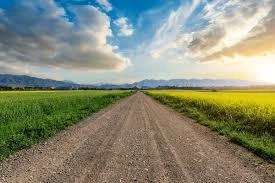
- Rural roads: Roads in countryside connecting farms and small communities
- Residential roads: Quiet streets where people live
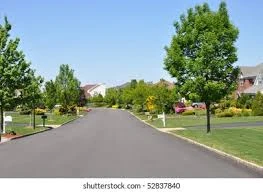
- Commercial roads: Busy streets with shops and businesses
Road Surfaces:
- Paved roads: Made with concrete or asphalt (tar)
- Gravel roads: Made with small stones
- Dirt roads: Natural earth paths
- Cobblestone roads: Made with fitted stones
Parts of Roads:
- Roadway: The main part where vehicles drive
- Sidewalks: Safe walking areas for pedestrians
- Shoulders: Edges of roads for emergencies
- Medians: Strips dividing traffic going in opposite directions
- Intersections: Where two or more roads meet
Purpose of Roads:
- Transportation: Moving people and goods from place to place
- Economic activity: Supporting businesses and trade
- Emergency access: Allowing ambulances, fire trucks, and police to reach people
- Social connection: Connecting communities and families
- Development: Enabling growth of towns and cities
Different Types of Road Users
- Vehicles (Motorized)
Cars:

- Description: Private passenger vehicles with 4 wheels
- Typical use: Families traveling, going to work, shopping
- Speed: Can travel fast on highways, slower in residential areas
- Safety needs: Seat belts, airbags, proper maintenance
Buses:

- Description: Large vehicles that carry many passengers
- Types: School buses, city buses, long-distance buses
- Special considerations: Multiple passengers, frequent stops
- Safety features: Special lights, stop signs, loud horns
Trucks:
- Description: Large vehicles for carrying heavy loads
- Types: Delivery trucks, construction trucks, semi-trailers
- Special needs: More time to stop, wider turning radius
- Cargo: Food, building materials, household goods
Motorcycles:
- Description: Two-wheeled motorized vehicles
- Characteristics: Faster than bicycles, smaller than cars
- Visibility concerns: Harder for other drivers to see
- Weather dependent: Difficult to ride in rain or cold
Emergency Vehicles:
- Types: Ambulances, fire trucks, police cars
- Special privileges: Can use sirens and lights, go through red lights
- Right of way: All other traffic must move aside for them
- Purpose: Saving lives and protecting community
- Non-Motorized Vehicles
Bicycles:
- Description: Two-wheeled vehicles powered by pedaling
- Users: Children and adults for exercise, transportation, recreation
- Environmental benefit: No pollution, good for health
- Safety concerns: Share road with much larger, faster vehicles
Animal-Drawn Vehicles:
- Types: Horse carts, ox carts, donkey carts
- Common in: Rural areas, some traditional communities
- Speed: Much slower than motor vehicles
- Unpredictability: Animals may be frightened by loud noises
- Pedestrians (People Walking)
Who are pedestrians:
- Children: Walking to school or playing
- Adults: Going to work, shopping, exercising
- Elderly people: May move slowly or need assistance
- People with disabilities: May use wheelchairs, canes, or guide dogs
Where pedestrians travel:
- Sidewalks: Safest place for walking
- Crosswalks: Designated areas for crossing streets
- Trails and paths: Special walking areas
- Road shoulders: When no sidewalk exists (dangerous)
- Animals
Domestic Animals:
- Pets: Dogs, cats walking with owners
- Working animals: Horses, oxen, donkeys
- Farm animals: Cattle, goats, sheep moving between fields
- Herded animals: Groups of animals being moved by herders
Wild Animals:
- Small animals: Squirrels, cats crossing roads
- Large animals: Deer, elk in rural areas
- Unpredictable behavior: Animals don’t understand traffic rules
How Each Road User Should Correctly Use Roads
- Car Drivers
Traffic Laws:
- Speed limits: Drive at safe speeds for conditions
- Traffic signals: Stop at red lights, go on green, caution on yellow
- Right of way: Follow rules about who goes first
- Lane usage: Stay in proper lane, signal when changing lanes
Safety Practices:
- Seat belts: Always wear seat belts and ensure passengers do too
- No distractions: Don’t use phones, eat, or do other activities while driving
- Safe following distance: Leave enough space between cars
- Weather adjustments: Drive slower in rain, snow, or fog
Courtesy:
- Share the road: Be aware of bicycles, motorcycles, pedestrians
- Patient with slower traffic: Don’t rush or drive aggressively
- Use turn signals: Let others know your intentions
- Parking: Park in designated areas, not blocking others
This term's Physical & Health Education topics
Basic 2 Third Term · 8 topics
Third Term Physical & Health Education Lesson Notes for Other Topics
Health and Hygiene
Read the full lesson note.
Teeth Brushing
Read the full lesson note.
Care of the Nails and Hair
Read the full lesson note.
Cleanliness
Read the full lesson note.

First Aid
Read the full lesson note.
First Aid (Continued)
Read the full lesson note.
Content of First Aid
Read the full lesson note.
Benefits of First Aid
Read the full lesson note.

First Aid
Read the full lesson note.
Health And Hygiene - Pollution
Read the full lesson note.
Swimming
Read the full lesson note.
Swimming II
Read the full lesson note.

First Aid II
Read the full lesson note.
First Aid
Read the full lesson note.
Issues and Challenges in Sports and PHE
Read the full lesson note.
Lesson Notes for Other Classes

Basic 1 Lesson Note
The complete lesson note to guide your studies.

Basic 3 Lesson Note
The complete lesson note to guide your studies.

Basic 4 Lesson Note
The complete lesson note to guide your studies.

Basic 5 Lesson Note
The complete lesson note to guide your studies.
Basic 6 Lesson Note
The complete lesson note to guide your studies.

JSS1 Lesson Note
The complete lesson note to guide your studies.

