First Aid: Meaning, Goals & Steps in First Aid – Basic 2 Physical & Health Education Lesson Note (Third Term)
Download Lesson NoteLesson note at a glance
- Subject
- Physical & Health Education
- Class
- Basic 2
- Term
- Third Term
- Topic
- First Aid: Meaning, Goals & Steps in First Aid
- Order
- Topic 6 of 8 this term
- Reading time
- 7 min
Learning Objectives
At the end of the lesson, pupils should be able to: i. State conditions that require first aid treatment ii. Describe how to treat the conditions
Introduction
First aid skills are essential life skills that can help save lives and prevent injuries from becoming worse. While children should always get adult help in emergencies, knowing basic first aid principles helps us respond appropriately and assist adults in providing care.
Content
Review: What is First Aid? First aid is the immediate, temporary care given to someone who is injured or suddenly becomes ill, before professional medical help can be obtained. The main goals are to preserve life, prevent the condition from worsening, and promote recovery.
General First Aid Principles
The Four Main Goals of First Aid:
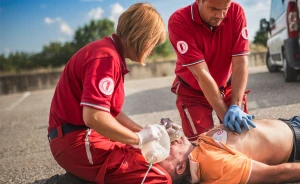
- Preserve life: Keep the person alive until help arrives
- Prevent further injury: Stop the condition from getting worse
- Promote recovery: Help the healing process begin
- Provide comfort: Ease pain and reduce anxiety
Basic First Aid Steps (Remember: SAFER)
- S – Scene safety: Is it safe to help?
- A – Assess the person: What’s wrong?
- F – Find help: Call for adult assistance
- E – Emergency care: Provide appropriate first aid
- R – Reassure: Comfort and calm the injured person
Common Conditions Requiring First Aid and Their Treatment
- Minor Cuts and Scrapes
When first aid is needed:
- Small cuts that are bleeding
- Scrapes from falls on concrete or rough surfaces
- Paper cuts or small knife cuts
- Any break in the skin that needs cleaning
Treatment steps:
- Wash your hands if possible before helping
- Stop the bleeding by applying gentle pressure with a clean cloth
- Clean the wound gently with clean water to remove dirt
- Apply antiseptic (like hydrogen peroxide) if available
- Cover with bandage to keep dirt out and protect the cut
- Check regularly to make sure it’s healing properly
What NOT to do:
- Don’t use dirty cloth or materials
- Don’t put your mouth on the cut
- Don’t pick at scabs that form
- Don’t ignore signs of infection (redness, swelling, pus)
- Nosebleeds
Common causes:
- Dry air making nose tissues crack
- Picking the nose too roughly
- Getting hit in the nose
- Having a cold or allergies
Treatment steps:
- Sit the person up and lean slightly forward
- Pinch the soft part of the nose (not the hard bone part)
- Hold pressure for 10-15 minutes without letting go
- Apply cold to the bridge of the nose if available
- Don’t tilt head back – this makes blood go down throat
- Don’t pack tissues deep into the nose
When to get help:
- Bleeding doesn’t stop after 20 minutes of pressure
- Blood is coming from both nostrils
- Person was hit very hard in the face
- Person feels dizzy or weak
- Burns (Minor)
Types of burns:
- First degree: Red, painful, like sunburn
- Second degree: Blistered and very painful
- Third degree: White, brown, or black; may not hurt (ALWAYS need medical help)
Treatment for minor burns (first degree only):
- Remove from heat source immediately
- Cool the burn with cool (not cold) water for 10-20 minutes
- Don’t use ice – this can damage skin further
- Pat dry gently with soft, clean cloth
- Cover loosely with sterile bandage if needed
- Give pain relief appropriate for age (with adult permission)
What NOT to do for burns:
- Don’t put ice directly on burn
- Don’t use butter, oil, or home remedies
- Don’t break blisters that form
- Don’t peel off burnt skin
- Insect Bites and Stings
Common reactions:
- Red, swollen area around bite
- Itching and mild pain
- Small bump or welt
Treatment steps:
- Remove stinger if visible (scrape it out, don’t pinch)
- Clean the area with soap and water
- Apply cold to reduce swelling (ice wrapped in cloth)
- Don’t scratch – this can cause infection
- Watch for allergic reactions (difficulty breathing, widespread swelling)
When to get immediate help:
- Difficulty breathing or swallowing
- Swelling of face, lips, or tongue
- Rapid heartbeat or dizziness
- Widespread rash or hives
- Sprains and Minor Injuries
Signs of sprains:
- Pain when moving the injured part
- Swelling and bruising
- Difficulty putting weight on injured leg or using injured arm
Treatment (Remember: RICE)
- R – Rest: Don’t use the injured part
- I – Ice: Apply cold for 15-20 minutes at a time
- C – Compression: Wrap gently with elastic bandage
- E – Elevation: Raise injured part above heart level if possible
Important notes:
- Never put ice directly on skin (wrap in cloth)
- Don’t wrap too tightly – should not cut off circulation
- If pain is severe or person cannot move part at all, get medical help
- Fainting
Warning signs before fainting:
- Dizziness or lightheadedness
- Sweating and pale skin
- Nausea or feeling sick
- Weakness in legs
Treatment steps:
- Help person lie down immediately if they feel faint
- Elevate legs 8-12 inches above heart level
- Loosen tight clothing around neck and waist
- Apply cool cloth to forehead and wrists
- Give fresh air – open windows or fan the person
- Don’t give food or drink until fully conscious
After person wakes up:
- Help them sit up slowly
- Keep them sitting for a few minutes before standing
- Find out why they fainted (hunger, heat, fear, etc.)
- Get medical help if they don’t feel better quickly
- Choking (Mild)
Signs of mild choking:
- Person can still cough and speak
- May be making choking sounds
- Hands may go to throat
- Red face from coughing
Treatment for mild choking:
- Encourage coughing – this is the body’s natural way to clear blockage
- Stay with the person and be ready to help
- Don’t hit their back unless they cannot cough at all
- Don’t try to remove object with your fingers
- Get adult help immediately
- Call emergency services if person cannot breathe
Never try to help with severe choking by yourself – get adult help immediately!
- Heat Exhaustion (Mild)
Signs of heat exhaustion:
- Heavy sweating
- Weakness or tiredness
- Dizziness or nausea
- Headache
- Muscle cramps
Treatment steps:
- Move to cool place (shade or air conditioning)
- Remove excess clothing to help body cool
- Apply cool water to skin or use cool, wet cloths
- Give small sips of cool water if person is conscious
- Fan the person to increase cooling
- Get medical help if person doesn’t improve quickly
Prevention:
- Drink plenty of water during hot weather
- Take breaks in shade during outdoor activities
- Wear light-colored, loose-fitting clothes
- Avoid being outside during hottest part of day
When to Get Adult Help Immediately
Always get adult help for:
- Any injury to the head, neck, or back
- Severe bleeding that won’t stop
- Burns larger than the person’s palm
- Any poisoning or suspected poisoning
- Difficulty breathing
- Loss of consciousness
- Severe allergic reactions
- Any situation you’re not sure how to handle
Being a Good First Aid Helper
How children can help in emergencies:
- Stay calm and don’t panic
- Get adult help immediately
- Call emergency services if adults tell you to
- Comfort the injured person by talking calmly
- Keep other people away to give helpers room to work
- Remember important information to tell adults (what happened, when, where)
First Aid Supplies for Home and School:
- Various sizes of adhesive bandages
- Sterile gauze pads and medical tape
- Antiseptic wipes or solution
- Instant cold packs
- Scissors and tweezers
- Disposable gloves
- Emergency contact numbers
- Basic first aid instruction card
Activities
- Practice proper hand washing before giving first aid
- Demonstrate correct bandaging techniques using dolls or volunteers
- Role-play different emergency scenarios with appropriate responses
- Practice the RICE method for sprains using props
- Create first aid emergency contact cards
- Identify and discuss contents of a first aid kit
Multiple Choice Exercise
- For a minor cut, the first step is to: a) Put a bandage on it b) Wash your hands c) Give the person water
- When someone has a nosebleed, they should: a) Tilt head back b) Lie down flat c) Sit up and lean forward
- For a minor burn, use: a) Ice directly on skin b) Butter or oil c) Cool water
- RICE treatment is used for: a) Cuts b) Sprains c) Burns
- If someone faints, you should: a) Give them food b) Help them lie down with legs up c) Pour water on their face
Answers: 1(b), 2(c), 3(c), 4(b), 5(b)
This term's Physical & Health Education topics
Basic 2 Third Term · 8 topics
- Health and Hygiene (Water Purification)
- Hygiene (Water Purification Demonstration)
- Hygiene (Hand Purification at Home)
- Rest and Sleep
- Safety Education
- First Aid: Meaning, Goals & Steps in First Aid
- First Aid 2
- Roads & Road Users
Third Term Physical & Health Education Lesson Notes for Other Topics
Health and Hygiene
Read the full lesson note.
Teeth Brushing
Read the full lesson note.
Care of the Nails and Hair
Read the full lesson note.
Cleanliness
Read the full lesson note.

First Aid
Read the full lesson note.
First Aid (Continued)
Read the full lesson note.
Content of First Aid
Read the full lesson note.
Benefits of First Aid
Read the full lesson note.

First Aid
Read the full lesson note.
Health And Hygiene - Pollution
Read the full lesson note.
Swimming
Read the full lesson note.
Swimming II
Read the full lesson note.

First Aid II
Read the full lesson note.
First Aid
Read the full lesson note.
Issues and Challenges in Sports and PHE
Read the full lesson note.
Lesson Notes for Other Classes

Basic 1 Lesson Note
The complete lesson note to guide your studies.
Basic 3 Lesson Note
The complete lesson note to guide your studies.
Basic 4 Lesson Note
The complete lesson note to guide your studies.
Basic 5 Lesson Note
The complete lesson note to guide your studies.
Basic 6 Lesson Note
The complete lesson note to guide your studies.
JSS1 Lesson Note
The complete lesson note to guide your studies.