
Colonial Administrative Headquarters in Nigeria Basic 4 Nigerian History Lesson Note
Download Lesson NoteTopic: Colonial Administrative Headquarters in Nigeria
Head of British Colonial Administration in Nigeria
The Governor-General
- Highest British official in Nigeria
- Represented the British King/Queen
- Made all major decisions for Nigeria
- Lived in Government House in Lagos
Famous Governor-Generals:
- Lord Lugard (1914-1919)
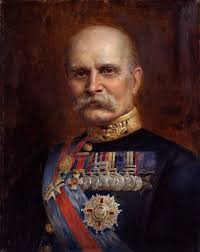
- First Governor-General of unified Nigeria
- Created the amalgamation in 1914
- Started the indirect rule system
2. Sir Hugh Clifford (1919-1925)
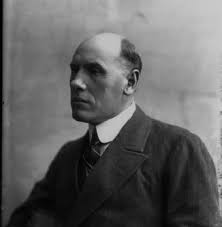
- Continued Lugard’s policies
- Improved transportation and communication
3. Sir Arthur Richards (1943-1948)
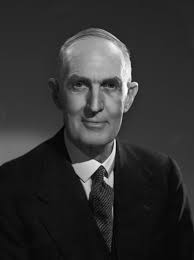
- Introduced the Richards Constitution
- Started more Nigerian participation in government
Various Colonial Administrative Officials in Nigeria
- Governor-General (Top Level)
- Supreme leader of all Nigeria
- Answered only to British government in London
- Lieutenant Governors
- Helped the Governor-General
- Governed Northern and Southern regions
- Reported to the Governor-General
- Chief Commissioners
- Managed smaller areas within regions
- Supervised Residents
- Implemented government policies
- Residents
- British officers in each province
- Lived in provincial headquarters
- Controlled local administration
- Supervised Native Authorities
- District Officers (DOs)
- Managed districts and divisions
- Worked directly with local people
- Collected taxes and information
- Enforced British laws
- Assistant District Officers (ADOs)
- Helped District Officers
- Handled smaller areas
- Young British officers learning the job
- Native Authorities
- Traditional rulers (Emirs, Obas, Obi)
- Worked under British supervision
- Helped implement British policies
- Collected taxes for the British
British Policy of Administration in Nigeria
The Indirect Rule System
What is Indirect Rule?
- British ruled through traditional Nigerian rulers
- Did not govern directly but used local kings and chiefs
- Cheaper and easier way to control Nigeria
- Traditional rulers became British agents
How It Worked:
- British officials gave orders to traditional rulers
- Traditional rulers passed orders to their people
- Local people obeyed their traditional rulers
- Traditional rulers collected taxes for the British
- British supervised everything from behind
Where It Worked Well:
- Northern Nigeria – with strong Emirate system
- Western Nigeria – with Yoruba Oba system
- Areas with established traditional rulers
Where It Had Problems:
- Eastern Nigeria – Igbo people had no kings
- Republican societies without central authority
- British had to create artificial rulers (Warrant Chiefs)
Effects of Indirect Rule System on Nigeria
Positive Effects:
- Preserved Traditional Institutions
- Traditional rulers kept their positions
- Local customs were maintained
- Cultural practices continued
- People’s respect for traditional authority remained
- Cost-Effective Administration
- Cheaper for the British to govern
- Fewer British officials needed
- Local knowledge was used
- Less resistance from people
- Gradual Change
- Slow introduction of Western ideas
- Less shock to traditional society
- Peaceful transition in many areas
Negative Effects:
- Loss of Real Power
- Traditional rulers became British puppets
- Could not make independent decisions
- Lost respect from their people over time
- Served British interests not their people’s
- Created Artificial Rulers
- Warrant Chiefs in Eastern Nigeria had no traditional authority
- People did not respect these imposed rulers
- Led to conflicts and resistance
- Destroyed traditional republican systems
- Exploitation of People
- Heavy taxation through traditional rulers
- Forced labor for British projects
- Traditional rulers had to enforce unpopular policies
- People suffered under British economic policies
- Divided Nigerian Society
- Different systems in different regions
- Northern emirs became more powerful
- Unequal development across regions
- Created jealousy between different areas
- Limited Modern Development
- Slow introduction of Western education
- Traditional methods often preferred
- Less modernization compared to direct rule areas
- Kept people in traditional occupations
Exercises
- Fill in the blanks:
- The _______ was the highest British official in Nigeria
- _______ was the first Governor-General of unified Nigeria
- Indirect rule means ruling through _______ rulers
- _______ Chiefs were created in Eastern Nigeria
- True or False:
- The Governor-General answered to the British King ( )
- District Officers were higher than Residents ( )
- Indirect rule worked well in Northern Nigeria ( )
- Traditional rulers kept all their powers ( )
- Arrange these officials from highest to lowest:
- ( ) District Officer
- ( ) Governor-General
- ( ) Resident
- ( ) Lieutenant Governor
- Circle where indirect rule worked well:
- Northern Nigeria (Emirates)
- Eastern Nigeria (Igbo areas)
- Western Nigeria (Yoruba kingdoms)
- Areas with no traditional rulers
- Match the official with their duty:
- Governor-General → Supreme leader of Nigeria
- Resident → Controlled provincial administration
- District Officer → Worked directly with local people
- Native Authority → Traditional ruler under British
- What was the main idea of indirect rule?
- a) British ruled directly
- b) British ruled through traditional rulers
- c) Nigerians ruled themselves
- d) Nobody ruled Nigeria
- Name the effects (Positive or Negative):
- Preserved traditional institutions → _______
- Created artificial rulers → _______
- Cost-effective administration → _______
- Loss of real power by traditional rulers → _______
- Short Answer:
- Who was Lord Lugard and what did he do?
- How did indirect rule work?
- Why did indirect rule fail in Eastern Nigeria?
- Name 2 positive and 2 negative effects of indirect rule
Answer Key:
- Governor-General, Lord Lugard, traditional, Warrant
- True, False, True, False
- 4, 1, 3, 2 (Governor-General highest)
- Circle: Northern Nigeria, Western Nigeria
- Matching as shown above
- b) British ruled through traditional rulers
- Positive, Negative, Positive, Negative
- First Governor-General who unified Nigeria / British gave orders through traditional rulers / Igbo had no kings or central authority / Positive: preserved culture, cheaper; Negative: loss of power, created conflicts
First Term Nigerian History Lesson Notes for Other Topics

Other Pre-Colonial Settlers In Lagos
Explore lesson notes covering all topics.

Nigerian People - North West And North East
Explore lesson notes covering all topics.

Nigerian People: South East And North Central
Explore lesson notes covering all topics.

Nigerian People: South West And South-South
Explore lesson notes covering all topics.
Indigenous Occupation And Mode Of Transportation In Lagos
Explore lesson notes covering all topics.
Tradition And Origin People Of Awori, Ijebu, e.t.c
Explore lesson notes covering all topics.

Location Of The Indigenous People Of Lagos State
Explore lesson notes covering all topics.

Indigenous People Of Lagos State - Awori, Egun, Ijebu Etc.
Explore lesson notes covering all topics.

British Rule In Nigeria, Traditional Nationalism, And Resistances
Explore lesson notes covering all topics.

Detailed Study Of Major Constitutions
Explore lesson notes covering all topics.
Meaning Of A Constitution
Explore lesson notes covering all topics.

British Rule In Nigeria 3
Explore lesson notes covering all topics.

British Rule In Nigeria
Explore lesson notes covering all topics.

British Rule In Nigeria 2
Explore lesson notes covering all topics.

The Royal Niger Company
Explore lesson notes covering all topics.

Lesson Notes for Other Classes

Basic 2 Lesson Note
The complete lesson note to guide your studies.

Basic 3 Lesson Note
The complete lesson note to guide your studies.

Basic 5 Lesson Note
The complete lesson note to guide your studies.

JSS1 Lesson Note
The complete lesson note to guide your studies.

JSS2 Lesson Note
The complete lesson note to guide your studies.

JSS3 Lesson Note
The complete lesson note to guide your studies.