
Production Of Collage Using Paper JSS1 Cultural & Creative Arts (CCA) Lesson Note
Download Lesson NoteTopic: Production Of Collage Using Paper
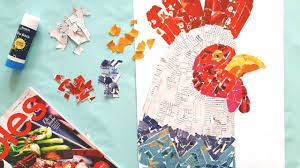
Collage is a versatile art technique that involves creating artwork by assembling different materials, primarily paper, onto a surface to form a new unified composition. Derived from the French word “coller” meaning “to glue,” collage transforms ordinary materials into extraordinary artistic expressions. This technique allows artists to combine various textures, colors, patterns, and images to create unique visual narratives that can be abstract or representational.
The art of collage has ancient roots, dating back to the invention of paper in China around 200 BC. However, the technique gained prominence as a modern art form in the early 20th century when artists like Pablo Picasso and Georges Braque incorporated collage elements into their Cubist paintings. In 1912, Picasso created “Still Life with Chair Caning,” which included actual oilcloth in the composition, marking a revolutionary moment in art history. This breakthrough opened new possibilities for artistic expression, challenging traditional boundaries between painting and sculpture.
MATERIALS FOR PAPER COLLAGE
Paper Types:
- Newspapers and magazines
- Colored construction paper
- Tissue paper
- Wrapping paper
- Handmade paper
- Photographs
- Maps and sheet music
- Textured paper
- Metallic paper
- Rice paper
- Cardstock
- Book pages
- Wallpaper samples
Adhesives:
- White glue (PVA)
- Glue sticks
- Mod Podge
- Wheat paste
- Double-sided tape
- Spray adhesive
- Gel medium
- Rubber cement
Tools and Equipment:
- Scissors
- Craft knives
- Cutting mats
- Rulers
- Pencils
- Brushes for glue
- Brayers (rollers)
- Tweezers
- Bone folders
- Spray bottles
Base Surfaces:
- Canvas boards
- Cardboard
- Heavy paper
- Wood panels
- Illustration board
- Foam core
- Sketchbook pages
TYPES OF COLLAGE TECHNIQUES
Paper collage encompasses various approaches and styles, each offering unique creative possibilities. Traditional collage involves cutting and pasting paper elements to create compositions, while photo collage specifically uses photographs or printed images. Torn paper collage creates softer edges and organic shapes, while cut paper collage offers precise, clean lines. Mixed media collage incorporates non-paper elements like fabric, string, or found objects. Digital printing combined with traditional techniques creates contemporary hybrid works.
Specific Techniques:
- Layering: Building depth through overlapping papers
- Decoupage: Decorating surfaces with paper cutouts
- Assemblage: Creating three-dimensional collages
- Photomontage: Combining photographic images
- Paper weaving: Interlacing paper strips
- Mosaic collage: Using small paper pieces like tiles
- Relief collage: Creating raised surfaces
- Transparent layering: Using translucent papers
DESIGN PRINCIPLES IN COLLAGE
Creating successful collages requires understanding fundamental design principles. Composition involves arranging elements to create visual balance and interest. The rule of thirds helps place focal points effectively, while understanding positive and negative space creates dynamic relationships between elements. Unity ties diverse elements together through repetition of colors, shapes, or themes, while variety prevents monotony. Contrast creates visual excitement through differences in size, color, texture, or pattern.
Elements of Design in Collage:
- Line: Created by edges, tears, or drawn elements
- Shape: Geometric or organic forms
- Color: Harmonious or contrasting schemes
- Texture: Visual or actual surface quality
- Value: Light and dark relationships
- Pattern: Repeated elements
- Space: Depth and dimension
COLLAGE CREATION PROCESS
The collage-making process begins with conceptualization and planning. Artists first develop their idea or theme, considering whether to create abstract or representational work. Gathering materials involves collecting papers with suitable colors, textures, and imagery. Some artists prefer to work spontaneously, while others sketch preliminary compositions. The base surface must be prepared appropriately, ensuring it can support the weight of materials and adhesive.
Step-by-Step Process:
- Conceptualize your theme or idea
- Gather and sort materials
- Prepare your base surface
- Arrange elements without gluing
- Photograph arrangement for reference
- Begin gluing from background to foreground
- Press elements firmly to avoid bubbles
- Add details and finishing touches
- Seal with protective coating if desired
- Allow to dry completely
AFRICAN AND NIGERIAN COLLAGE TRADITIONS
Nigerian artists have embraced collage as a means of cultural expression and social commentary. Traditional African aesthetic principles influence contemporary collage work through the use of bold patterns, symbolic imagery, and vibrant colors. Artists often incorporate traditional textiles patterns, cultural symbols, and historical photographs to create works that speak to Nigerian identity and experience. The technique provides a powerful medium for addressing social issues, preserving cultural memory, and celebrating African heritage.
Nigerian Collage Themes:
- Cultural identity and tradition
- Urban life and modernization
- Political and social commentary
- Historical narratives
- Environmental concerns
- Religious and spiritual themes
- Celebration of diversity
PAPER PREPARATION TECHNIQUES
Preparing papers for collage involves various techniques to achieve desired effects. Painting papers creates custom colors and patterns, while tea or coffee staining adds age and warmth. Burning edges carefully creates dramatic effects, and crumpling produces texture. Printing techniques transfer images onto plain paper, while marbling creates unique patterns. Some artists create their own decorative papers using stamps, stencils, or hand-painting.
Paper Treatment Methods:
- Tearing for soft edges
- Cutting for precise shapes
- Distressing for aged appearance
- Folding for dimension
- Scoring for clean folds
- Embossing for texture
- Bleaching for faded effects
- Waxing for translucency
NARRATIVE AND ABSTRACT COLLAGE
Collage can tell stories or explore pure visual relationships. Narrative collages use recognizable imagery to convey specific messages, often incorporating text, photographs, and symbolic elements. These works might document personal histories, illustrate folktales, or comment on current events. Abstract collages focus on formal elements like color, shape, and texture without representing specific objects or scenes. Both approaches offer rich possibilities for creative expression.
Narrative Elements:
- Sequential imagery
- Text integration
- Symbolic objects
- Historical references
- Personal memorabilia
- Map fragments
- Timeline structures
Abstract Elements:
- Color relationships
- Geometric patterns
- Organic forms
- Texture contrasts
- Rhythmic repetition
- Spatial dynamics
- Movement suggestions
EDUCATIONAL APPLICATIONS
Collage serves as an excellent educational tool across multiple disciplines. In art education, it teaches design principles, color theory, and composition while developing fine motor skills. History teachers use collage to help students visualize historical periods or create biographical studies. Language arts applications include visual storytelling, poetry illustration, and character development. Science classes create collages to demonstrate concepts like ecosystems, life cycles, or geological formations.
Learning Objectives:
- Develop visual literacy
- Enhance creative thinking
- Improve hand-eye coordination
- Understand composition
- Express ideas visually
- Collaborate on group projects
- Explore cultural themes
DIGITAL AND TRADITIONAL INTEGRATION
Contemporary collage often combines digital and traditional techniques. Artists might photograph or scan traditional elements, manipulate them digitally, then print and incorporate them into physical collages. Digital tools allow for experimentation with composition before committing to glue, while traditional handwork provides tactile satisfaction and unique textures. This hybrid approach expands creative possibilities while maintaining the essential hands-on nature of collage.
Digital Tools:
- Scanner for digitizing elements
- Photo editing software
- Digital cameras
- Color printers
- Tablets for sketching
- Online image resources
- Digital cutting machines
PRESERVATION AND DISPLAY
Proper preservation ensures collage longevity. Archival materials, including acid-free papers and adhesives, prevent deterioration. Sealing finished works with appropriate varnishes or fixatives protects against moisture and UV damage. Framing behind glass provides additional protection while allowing display. Climate control and proper storage prevent warping, fading, or pest damage. Documentation through photography preserves the work digitally.
Conservation Practices:
- Use archival materials
- Avoid direct sunlight
- Control humidity levels
- Handle with clean hands
- Store flat when possible
- Document work thoroughly
- Repair damage promptly
THERAPEUTIC ASPECTS
Collage offers therapeutic benefits as a form of art therapy. The process of selecting, cutting, and arranging materials provides stress relief and emotional expression. Unlike drawing or painting, collage doesn’t require advanced technical skills, making it accessible to everyone. The technique allows for both control and spontaneity, helping individuals process feelings, explore identity, and communicate experiences that might be difficult to express verbally.
Therapeutic Benefits:
- Stress reduction
- Emotional processing
- Self-expression
- Mindfulness practice
- Memory exploration
- Identity formation
- Communication tool
PROFESSIONAL APPLICATIONS
Professional applications of collage extend beyond fine art into commercial fields. Graphic designers use collage techniques in advertising, editorial illustration, and branding. Fashion designers create mood boards and textile designs through collage. Interior designers develop concept boards using collaged materials. Publishers commission collage illustrations for books and magazines. The technique’s versatility makes it valuable across creative industries.
Career Applications:
- Illustration
- Graphic design
- Fashion design
- Set design
- Art therapy
- Teaching
- Editorial work
- Commercial art
ENVIRONMENTAL CONSCIOUSNESS
Collage naturally promotes environmental consciousness through material reuse. Artists transform discarded magazines, newspapers, and packaging into art, demonstrating creative recycling. This sustainable approach reduces waste while creating beauty from everyday materials. Environmental themes often appear in collage work, addressing issues like pollution, deforestation, or climate change through powerful visual statements.
Sustainable Practices:
- Recycling print materials
- Using eco-friendly adhesives
- Repurposing packaging
- Creating from found materials
- Avoiding toxic substances
- Minimizing waste
- Documenting environmental issues
Collage remains a dynamic and accessible art form that bridges traditional craftsmanship with contemporary expression. Its democratic nature—requiring only paper, glue, and imagination—makes it ideal for artists of all ages and skill levels. As Nigerian artists continue exploring collage techniques, they contribute to a global dialogue while maintaining distinct cultural perspectives. The medium’s flexibility allows for constant innovation while respecting traditional approaches, ensuring collage remains relevant in our rapidly changing visual culture.
Second Term Cultural & Creative Arts (CCA) Lesson Notes for Other Topics

Designing Patterns Using Basic Shapes
Explore lesson notes covering all topics.

Craft Making
Explore lesson notes covering all topics.
Music Staff (Stave)
Explore lesson notes covering all topics.

Colouring Patterns Of Basic Shape
Explore lesson notes covering all topics.

Musical Alphabets & Clefs
Explore lesson notes covering all topics.
Paper Craft Making
Explore lesson notes covering all topics.
Acting
Explore lesson notes covering all topics.
Developing Character In A Play
Explore lesson notes covering all topics.

Impersonation
Explore lesson notes covering all topics.
Mosaic
Explore lesson notes covering all topics.

Creating Music Solfa Notation
Explore lesson notes covering all topics.

Music Notes And Their Values
Explore lesson notes covering all topics.
Creating A Play With The Theme Of Honesty/ Integrity/ Right Attitude To Work
Explore lesson notes covering all topics.

Introduction To Weaving Using Paper
Explore lesson notes covering all topics.
Dance Motif
Explore lesson notes covering all topics.

Lesson Notes for Other Classes

Basic 2 Lesson Note
The complete lesson note to guide your studies.
Basic 3 Lesson Note
The complete lesson note to guide your studies.

Basic 4 Lesson Note
The complete lesson note to guide your studies.
Basic 5 Lesson Note
The complete lesson note to guide your studies.

JSS2 Lesson Note
The complete lesson note to guide your studies.

JSS3 Lesson Note
The complete lesson note to guide your studies.