Mosaic – Basic 5 Cultural & Creative Arts Lesson Note (Second Term)
Download Lesson NoteTopic: Mosaic
Lesson note at a glance
- Subject
- Cultural & Creative Arts
- Class
- Basic 5
- Term
- Second Term
- Topic
- Mosaic
- Order
- Topic 2 of 9 this term
- Reading time
- 4 min
Behavioural Objectives:
By the end of the lesson, students should be able to:
- Define what mosaic art is.
- Identify materials needed for making mosaic art.
- Understand the importance of creativity and expression in art.
Embedded Core Skills:
Creativity, art appreciation, fine motor skills.
Learning Materials:
Pictures of mosaic art, actual mosaic materials (if available),
whiteboard,
markers,
worksheets.
Content:
What is mosaic
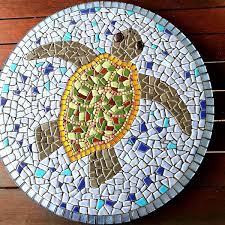
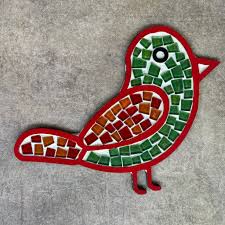
Mosaic is an art form where small colored pieces, called tesserae, are arranged to create patterns or images. It’s like assembling a colorful puzzle to form a beautiful design. Mosaics have been used for thousands of years and can be found in various cultures worldwide, adorning floors, walls, and even furniture.
Materials that are needed for mosaic
- Glass tiles

- Ceramic tiles
- Stone tiles
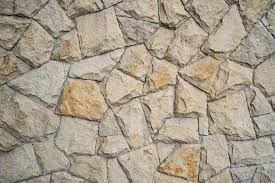
Porcelain tiles
- Mirror tiles
- Smalti (colored glass)
- Marble tiles
- Old calendars
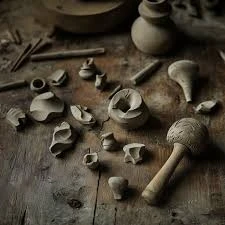
- Pottery shards

- Pebbles or stones
- Broken pottery or ceramics
- Seashells
- Beads or gems
- Metal pieces
- Grout (for filling gaps between tiles)
- Adhesive or glue (to attach the tiles to the surface)

Presentation:
Step 1: Revision (5 minutes):
The teacher revises the previous topic by asking students questions about different types of art forms.
Step 2: Introduction to Mosaic (10 minutes):
The teacher introduces the new topic, mosaic, explaining that it is an art form where small pieces of colored materials are arranged to create patterns or images.
Step 3: Teacher’s Activities (15 minutes):
- The teacher shows pictures of mosaic artworks to the students and discusses the materials used in creating them.
- The teacher demonstrates how to arrange tiles or tesserae to create a simple mosaic pattern.
Learners activities (15 minutes):
- Students are given the opportunity to explore actual mosaic materials and experiment with arranging them to create their own designs.
- Students work in pairs or small groups to brainstorm ideas for mosaic projects.
Assessment (10 minutes):
The teacher assesses students’ understanding by observing their participation in the activities and their ability to identify materials needed for mosaic art.
Evaluation:
- What is mosaic art?
- Why is mosaic art unique?
- Name three materials used in making mosaic art.
- How does creativity play a role in mosaic art?
- Can you describe a mosaic artwork you’ve seen before?
- What is the purpose of arranging tiles or tesserae in mosaic art?
- How can you use different colors to create a mosaic pattern?
- What are some examples of objects that can be decorated with mosaic art?
- Why is it important to use strong adhesive when creating mosaics?
- How does mosaic art contribute to cultural expression?
- Mosaic is an art form where small pieces of colored materials are arranged together to create patterns or images. These pieces are called ________. a) Tessels b) Tesserae c) Tassels d) Tiles
- What 3 materials are commonly used in creating mosaic art? a) Fabric b) Wood c) Metal d) Tiles
- Which of the following is NOT a material commonly used for making mosaics? a) Glass tiles b) Stone c) Plastic bottles d) Ceramic tiles
- Mosaic art has been used for ________. a) Hundreds of years b) Thousands of years c) Decades d) Centuries
- What is used to attach the mosaic tiles to the surface? a) Nails b) Glue c) Tape d) Rope
- What is the term for the small pieces of colored materials used in mosaic art? a) Tiles b) Brushes c) Paints d) Crayons
- Which of the following is NOT a common tool used in mosaic making? a) Hammer b) Cutters c) Pencil d) Scissors
- What is the base surface often used for creating mosaic art? a) Canvas b) Paper c) Cardboard d) Metal
- Which material is commonly used for filling the gaps between mosaic tiles? a) Cement b) Grout c) Sand d) Glue
- Mosaic art can be found adorning ________. a) Cars b) Walls c) Shoes d) Cups
- What material is commonly used to add shine and reflectivity to mosaic art? a) Fabric b) Mirror tiles c) Wood d) Paper
- Which of the following is NOT a material commonly used for making mosaics? a) Plastic b) Marble c) Cardboard d) Paper
- What is the purpose of using glue in mosaic making? a) To attach tiles to the surface b) To clean tiles c) To color tiles d) To cut tiles
- What is the term for the tool used to cut mosaic tiles into smaller pieces? a) Hammer b) Cutter c) Scissors d) Pencil
- Mosaic art allows artists to create ________. a) Three-dimensional sculptures b) Flat paintings c) Textured surfaces d) Musical instruments
Conclusion:
Mosaic art is a wonderful way to express creativity and provides feedback on their understanding of mosaic art and its materials. Encourage students to continue exploring their creativity through art.
This term's Cultural & Creative Arts topics
Basic 5 Second Term · 9 topics
Second Term Cultural & Creative Arts (CCA) Lesson Notes for Other Topics
Introduction to Modelling: Making Objects with Paper Mache
Read the full lesson note.
Traditional Fabrics and Dresses
Read the full lesson note.

Singing Tonic Solfa of Twinkle Twinkle Little Star and Matching Songs
Read the full lesson note.
Musical Notes and Their Values
Read the full lesson note.

Methods of Modelling Objects with Clay Plastering
Read the full lesson note.
Importance of Traditional Dresses
Read the full lesson note.
Musical Notes: Rhythmic Clapping
Read the full lesson note.
Fashion Accessories
Read the full lesson note.
Musical Notes - Introduction to Notation
Read the full lesson note.
Costume and Make-up in Drama
Read the full lesson note.
Mosaic
Read the full lesson note.
Forms of Dance
Read the full lesson note.

Choral Singing
Read the full lesson note.
Care of Tools and Equipment used in Performing Arts and Entertainment
Read the full lesson note.
Play
Read the full lesson note.
Lesson Notes for Other Classes

Basic 1 Lesson Note
The complete lesson note to guide your studies.
Basic 2 Lesson Note
The complete lesson note to guide your studies.
Basic 3 Lesson Note
The complete lesson note to guide your studies.
Basic 4 Lesson Note
The complete lesson note to guide your studies.
Basic 6 Lesson Note
The complete lesson note to guide your studies.

JSS1 Lesson Note
The complete lesson note to guide your studies.