
Nigerian Musical Instruments And Sounds They Produce Basic 5 Cultural & Creative Arts (CCA) Lesson Note
Download Lesson NoteTopic: Nigerian Musical Instruments And Sounds They Produce

Learning Objectives: By the end of the lesson, pupils should be able to:
- By the end of the lesson, pupils should be able to
- Identify some traditional musical instruments in their culture
- Identify the place of traditional musical instruments in their culture
- Sing play and notate they practice of traditional musical instruments in their culture
Learning Activities
- Pupils in small groups, discuss and pick a local traditional musical instrument of their culture.
- Pupils in groups choose a local traditional musical instrument and demonstrate how the musical instrument can be played with sound effects.
- Individual pupils, draw/copy or describe how traditional musical instrument is played.
Embedded Core Skills
- Critical thinking and problem solving
- Communication and Collaboration
- Leadership skills and Personal Development
- Creativity and imagination
This will placement as “content”
Audio Visual Resource
- Pictures of local musical instruments and native and local musical examples of Nigerian musical instruments in cities
Content
NIGERIAN MUSICAL INSTRUMENTS AND SOUND THEY PRODUCE
Nigeria is a country located in West Africa, and it has a rich musical culture that includes various traditional instruments, each with unique acoustics of Nigerian musical instruments play important roles in preserving cultural heritage.
- Talking drum: The talking drum is a percussion instrument that is shaped like an hourglass. It is played by squeezing the animal skin covering the head while the other hand strikes the drumhead. It can produce a wide range of sounds and pitches, and it is often used to create the tones and pitches that mimic speech patterns of the Yoruba language.
- Dundun: The dundun is a set of large, barrel-shaped drums that form part of the talking drum family. It is played with curved wooden sticks or mallets. It is commonly used to accompany traditional music and dances in Nigeria.
- Gbedu: The gbedu is a type of small, barrel-shaped drums that are used to create a deep and pitched sound to accompany music. It is an important part of traditional music and ceremonies in Nigeria.
- Sekere/Shekere:
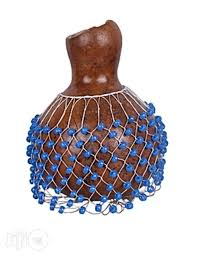
The sekere is a percussion instrument made from a large gourd covered with a net of beads, cowrie shells, or seeds. It is played by shaking, tapping, or rolling it between the palms. It is widely used in Yoruba traditional music.
5. Oja:

The oja is a type of small, bamboo-shaped flute that are played with the hands. They produce a rattling or shaking sound when they are shaken. The shekere of the Yoruba of Southwestern Nigeria typically has a net of beads that covers the gourd. It is usually played during ceremonies and other cultural events.
- Udu:
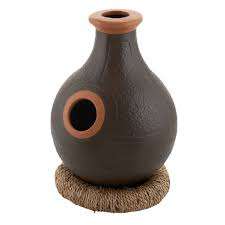
The udu is a percussion instrument that is shaped like a clay pot. It is played by hitting the side with the palm of the hand or fingers to produce different pitches. It is commonly used in traditional ceremonial music.
- Agogo:

The agogo is a percussion instrument made from a large gourd that is covered with a small net. It is played by shaking the bells with a wooden stick, and it produces a bright, metallic sound.
- Ekwe: The ekwe is a wooden slit drum that is used in Igbo culture. It is made by hollowing out a log and cutting slits into its top to create different pitches. It is usually used to broadcast messages to the community from one village to another.
- Ogene:
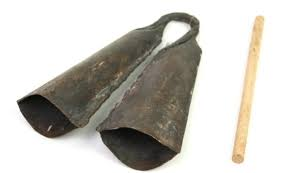
The ogene is a metal gong that is commonly found in Igbo land. It produces a metallic sound when it is struck with a wooden stick. It is played by striking the bells with a wooden stick, and it produces a bright, metallic sound.
Identification and Names of some traditional musical instruments and their various tribe
- Ogbo: This is a traditional musical plucked string instrument found among the Yoruba people of Nigeria. It is made from wood and animal hide and is used to produce a deep, resonant sound that is often used in traditional music.
- Kalangu:

The kalangu is a small hourglass-shaped drum that can be carried under the arm. It is made from a single piece of wood and produces a deep, booming sound that is used to announce important events and ceremonies.
- Kotso:

This is a traditional percussion instrument mainly used by the Hausa people of Northern Nigeria. It is made from a large gourd that is covered with animal hide and produces a rhythmic, resonant sound that is used to create entertainment and plays during social and cultural ceremonies.
- Algaita:

This is a double-reed wind instrument mainly used by the Hausa people of Northern Nigeria. It is made from wood and has between 5-6 strings that are plucked to produce a sweet, melodic sound.
Fine art section:
How Traditional Musical Instruments be played and the sounds they produce
- Oja – Yoruba: The oja drum is played by striking the animal hide covering the top of the drum with the palm of the hand or fingers to produce different pitches. It is commonly used in traditional ceremonial music.
- Selu – Hausa: The selu is played by striking it with a stick or by hitting it with the palm of the hand. It is commonly used along with other percussion instruments such as the drums to create dynamic rhythms in Nigerian music.
- Kafi – Arewa:

The kafi is played by blowing into it like a trumpet, and it produces a high-pitched, sweet sound that is used to call attention to important events and ceremonies.
- Vuga – Tiv:
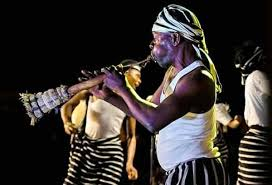
This is played by plucking the strings. The vuga is a traditional plucked string instrument that produces a rhythmic, resonant sound that is used to create a tune for dancing.
- Algaita – Hausa:
The algaita is played by plucking the strings that are attached to the gourd. It produces a sweet, melodic sound that is used to create entertainment and plays during social and cultural ceremonies.
In general, these traditional instruments produce a range of sounds, and are used in different ways to create music. The algaita produces a high-pitched sound, while the talking drum creates diverse pitches. Traditional instruments also can be used to create complex musical arrangements that are an important part of Nigerian cultural heritage.
Traditional Musical Instruments in Nigeria Culture
Nigeria has a rich cultural heritage that includes a diverse range of traditional musical instruments. These instruments are deeply rooted in the cultural practices and traditions found in Nigeria culture.
- Dundun:

The dundun is often called the master drum of the Yoruba people. It is usually played by specialists with the drum’s open side while striking the head with a curved stick. The talking drum, one type of dundun, can actually mimic the tones and rhythms of the Yoruba language making it a direct tool for communication.
- Gohure: The gohure is a percussion instrument made from a dried gourd that is covered with a mesh of beads or seeds. It is shaken and rattled, and it produces a variety of rhythmic sounds that accompany traditional music and dances.
- Omele: The omele is a type of small, hourglass-shaped men and played with the hands. They produce a metallic sound when they are beaten. The shekere of the Yoruba of Southwestern Nigeria typically has a net of beads that covers the gourd.

- Bata: The bata is a set of drums that is often used in Yoruba ceremonies and cultural events. It is tuned to different pitches and played by hitting the bells with a wooden stick, and it produces a bright, metallic sound.

Benefits of learning about traditional musical instruments:
- Cultural Preservation: Learning about these traditional instruments helps preserve and pass down cultural heritage from one generation to the next.
- Musical Skills Development: Understanding and playing these instruments develops musical skills of the got with the hands, and it produces a deep, resonant sound that is often used traditional music.
- Community and Unity: Learning about and playing these traditional instruments brings people together and creates a sense of community. It connects people with their cultural roots and identity, and creates social bonds.
In conclusion, Nigerian traditional musical instruments play a vital role in Nigerian music and cultural heritage and they have been passed down from generation to generation. They are not just instruments, but they are also cultural symbols that reflect the diversity and richness of Nigerian culture.
Third Term Cultural & Creative Arts (CCA) Lesson Notes for Other Topics

Melodic Patterns Of Traditional Song
Explore lesson notes covering all topics.

The Bass Staff
Explore lesson notes covering all topics.

Colouring - Functional Artworks
Explore lesson notes covering all topics.

Festivals
Explore lesson notes covering all topics.

Traditional Festivals
Explore lesson notes covering all topics.

The Treble Staff
Explore lesson notes covering all topics.

Modelling Papier Mache
Explore lesson notes covering all topics.

Classification of Musical Instruments And Sounds They Produce
Explore lesson notes covering all topics.

Meaning And Objective Of Traditional Apprenticeship System
Explore lesson notes covering all topics.

Fabric Decoration By Tie And Dye Methods
Explore lesson notes covering all topics.

Definition Of Drama
Explore lesson notes covering all topics.

Rhythemic Pattern
Explore lesson notes covering all topics.

Definition Of Dance
Explore lesson notes covering all topics.

Mode of Greeting
Explore lesson notes covering all topics.

Printmaking (Leaf and Thumb print)
Explore lesson notes covering all topics.

Lesson Notes for Other Classes

Basic 2 Lesson Note
The complete lesson note to guide your studies.
Basic 3 Lesson Note
The complete lesson note to guide your studies.

Basic 4 Lesson Note
The complete lesson note to guide your studies.

JSS1 Lesson Note
The complete lesson note to guide your studies.

JSS2 Lesson Note
The complete lesson note to guide your studies.

JSS3 Lesson Note
The complete lesson note to guide your studies.