
Mode of Greeting Basic 5 Cultural & Creative Arts (CCA) Lesson Note
Download Lesson NoteTopic: Mode of Greeting
Behavioural Objectives: By the end of the lesson, pupils should be able to:
- Identify how to greet in different parts of Nigeria.
- Explain the benefits of greeting.
- List when and occasions to greet.
Key Words:
- Greeting
- Respect
- Culture
Entry Behaviour: Pupils are familiar with basic greetings like “Good morning” and “Good afternoon.”
Learning Resources and Materials:
- Pictures of people greeting in different cultures
- Chart showing benefits of greeting
- Flashcards with different greeting examples
Building Background/Connection to Prior Knowledge: Ask pupils how they greet their parents, teachers, and friends. Discuss the importance of these greetings.
Embedded Core Skills:
- Communication
- Social interaction
- Cultural awareness
Learning Materials:
- Lagos State Scheme of Work
- Pictures and charts
- Flashcards
Reference Books:
- Lagos State Schemes of Work for Primary Schools
- Cultural and Creative Arts textbooks
Instructional Materials:
- Pictures
- Charts
- Flashcards
Content:
Modes of Greeting:
- How to Greet in Different Parts of Nigeria:
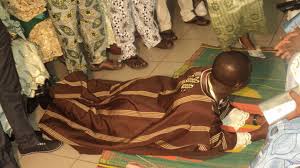
- Yoruba: Men prostrate or kneel slightly, women kneel.
- Igbo: Men shake hands or bow, women curtsy or kneel.
- Hausa: Men place hand on chest, women also hand on chest, bow.
- English: Handshake, “Good morning/afternoon.”
- Tiv: Shake hands or hug.
- Benefits of Greeting:
- Shows respect
- Builds relationships
- Promotes good manners
- Creates a positive atmosphere
- When and Occasions to Greet:
- Morning: “Good morning”
- School: Greet teachers and classmates
- Home: Greet family members
- Events: Greet people at social or cultural events
- Visits: Greet hosts during visits
- Workplace: Greet colleagues and seniors
- Religious places: Greet fellow worshippers
Understanding the Mode of Greeting
- How to Greet in Different Parts of Nigeria
- Yoruba:
- Men: Prostrate fully or kneel slightly. 🙇
- Women: Kneel down.
- Example: “E kaaro!” (Good morning)
-
- Igbo:
- Men: Shake hands or bow slightly. 🤝
- Women: Curtsy or kneel slightly. 🤗
- Example: “Ndewo” (Good morning).

-
- Hausa:
- Men: Bow slightly or place hand on chest. 🤲
- Women: Bow slightly or shake hands. 👋
- Example: “Ina kwana” (Good morning).

-
- Edo:
- Men: Bow slightly or shake hands. 👋
- Example: “I bado” (Good morning).
- Tiv:
- Men: Shake hands or hug. 🤝
- Example: “Tiv ngu u ikurbu” (Good morning).
- Benefits of Greeting
- Shows Respect:
- Greeting elders and peers shows you respect them. 🙏
- Builds Relationships:
- Greeting helps in making friends and building strong connections. 🤝
- Promotes Good Manners:
- It shows you are well-trained and have good manners. 😊
- Creates a Positive Atmosphere:
- A simple greeting can make someone’s day better. 🌞
- Encourages Communication:
- Greetings open the way for conversations and understanding. 💬
- When and Where to Greet
- Morning:
- Greet people in the morning to start the day well. 🌅
- Example: “Good morning!”
- At School:
- Greet teachers and classmates when you arrive at school. 🏫
- Example: “Good morning, teacher!”
- At Home:
- Greet family members when you wake up or come home. 🏠
- Example: “Good evening, Dad!”
- Events:
- Greet people when you attend social or cultural events. 🎉
- Example: “Hello, everyone!”
- Visits:
- Greet hosts when you visit someone’s home. 🏠
- Example: “Thank you for having me!”
- Workplace:
- Greet colleagues and bosses to maintain a good work environment. 💼
- Example: “Good morning, sir!”
- Religious Places:
- Greet fellow worshippers in places of worship. ⛪
- Example: “Peace be with you!”
Third Term Cultural & Creative Arts (CCA) Lesson Notes for Other Topics

Melodic Patterns Of Traditional Song
Explore lesson notes covering all topics.

The Bass Staff
Explore lesson notes covering all topics.

Colouring - Functional Artworks
Explore lesson notes covering all topics.

Festivals
Explore lesson notes covering all topics.

Traditional Festivals
Explore lesson notes covering all topics.

The Treble Staff
Explore lesson notes covering all topics.

Modelling Papier Mache
Explore lesson notes covering all topics.

Classification of Musical Instruments And Sounds They Produce
Explore lesson notes covering all topics.

Meaning And Objective Of Traditional Apprenticeship System
Explore lesson notes covering all topics.

Fabric Decoration By Tie And Dye Methods
Explore lesson notes covering all topics.

Definition Of Drama
Explore lesson notes covering all topics.

Rhythemic Pattern
Explore lesson notes covering all topics.

Definition Of Dance
Explore lesson notes covering all topics.

Nigerian Musical Instruments And Sounds They Produce
Explore lesson notes covering all topics.

Printmaking (Leaf and Thumb print)
Explore lesson notes covering all topics.
Lesson Notes for Other Classes

Basic 2 Lesson Note
The complete lesson note to guide your studies.
Basic 3 Lesson Note
The complete lesson note to guide your studies.

Basic 4 Lesson Note
The complete lesson note to guide your studies.

JSS1 Lesson Note
The complete lesson note to guide your studies.

JSS2 Lesson Note
The complete lesson note to guide your studies.

JSS3 Lesson Note
The complete lesson note to guide your studies.