
Traditional Festivals – Basic 2 Cultural & Creative Arts Lesson Note (Third Term)
Download Lesson NoteLesson note at a glance
- Subject
- Cultural & Creative Arts
- Class
- Basic 2
- Term
- Third Term
- Topic
- Traditional Festivals
- Order
- Topic 3 of 6 this term
- Reading time
- 2 min
Learning Objectives
By the end of the lesson, pupils should be able to:
- Explain traditional festival
- State examples of traditional festivals and where they are practiced
- List the things associated with traditional festival
- List the values associated with traditional festival
Introduction
Traditional festivals are special celebrations that have been passed down from our ancestors. These festivals help us remember our culture and bring communities together.
Content
What is a Traditional Festival? A traditional festival is:
- A celebration from our ancestors
- Part of our cultural heritage
- Usually connected to our local customs
- Celebrated the same way for many years
- Helps preserve our traditions
Examples of Nigerian Traditional Festivals:
Northern Nigeria:
- Durbar Festival – Celebrated by Hausa/Fulani people
- Argungu Fishing Festival – In Kebbi State
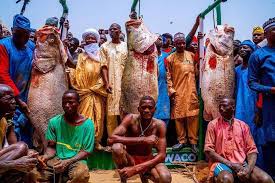
Western Nigeria (Yoruba):
- Eyo Festival – In Lagos State
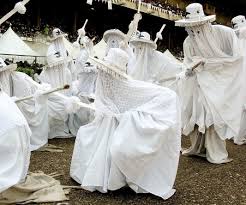
- Osun Festival – In Osogbo, Osun State
- Olojo Festival – In Ile-Ife
Eastern Nigeria (Igbo):
- New Yam Festival (Iri Ji) – Celebrating harvest
- Mmanwu Festival – Masquerade festival
South-South Nigeria:
- Yam Festival – Various communities
- Fishing Festivals – Coastal communities
Things Associated with Traditional Festivals:
- Traditional Music – drums, flutes, local instruments
- Traditional Dance – cultural dances specific to each group
- Traditional Food – local dishes, special recipes
- Traditional Clothes – cultural attire, ceremonial dress
- Masquerades – people in special costumes and masks
- Traditional Games – wrestling, local sports
- Storytelling – sharing old tales and legends
- Rituals – special ceremonies and prayers
- Arts and Crafts – displaying traditional handiwork
- Community Gathering – bringing everyone together
Values Associated with Traditional Festivals:
- Unity – bringing people together
- Cultural Preservation – keeping traditions alive
- Respect for Elders – honoring older people
- Gratitude – thanking God for blessings
- Community Spirit – helping each other
- Heritage – passing culture to children
- Peace – promoting harmony
- Identity – knowing who we are
- Joy – creating happiness
- Education – teaching young people about culture
Activity
- Ask your parents about traditional festivals in your area
- Draw people in traditional clothes during a festival
- Learn a simple traditional dance step
- Practice greeting people in your local language
Multiple Choice Exercise
- Traditional festivals come from our: a) Friends b) Ancestors c) Teachers d) Books
- New Yam Festival is celebrated by: a) Hausa people b) Yoruba people c) Igbo people d) All Nigerians
- Durbar Festival is celebrated in: a) Eastern Nigeria b) Western Nigeria c) Northern Nigeria d) Southern Nigeria
- Traditional festivals help us: a) Preserve culture b) Forget the past c) Make money d) Fight others
- Which value is associated with traditional festivals? a) Selfishness b) Unity c) Hatred d) Laziness
Answers: 1(b), 2(c), 3(c), 4(a), 5(b)
This term's Cultural & Creative Arts topics
Basic 2 Third Term · 6 topics
Third Term Cultural & Creative Arts (CCA) Lesson Notes for Other Topics

Creating a Drama Sketch from a Story
Read the full lesson note.
Types of Lines and Uses of Lines
Read the full lesson note.
Musical Notes
Read the full lesson note.
Musical Notes - Values and Rest Signs
Read the full lesson note.
Drawing
Read the full lesson note.
Methods of Moulding Objects
Read the full lesson note.
Introduction to Recorder Playing
Read the full lesson note.
Fashion Accessories - Singing Songs About Wearing Clothes
Read the full lesson note.
Definition of Music
Read the full lesson note.

Mode of Greeting
Read the full lesson note.
Element of Design
Read the full lesson note.
Definition of Drama and Theatre
Read the full lesson note.

Definition of Dance
Read the full lesson note.
Impersonation
Read the full lesson note.

Melodic Patterns Of Traditional Song
Read the full lesson note.
Lesson Notes for Other Classes

Basic 1 Lesson Note
The complete lesson note to guide your studies.
Basic 3 Lesson Note
The complete lesson note to guide your studies.

Basic 4 Lesson Note
The complete lesson note to guide your studies.

Basic 5 Lesson Note
The complete lesson note to guide your studies.
Basic 6 Lesson Note
The complete lesson note to guide your studies.

JSS1 Lesson Note
The complete lesson note to guide your studies.

