Rhythemic Pattern – Basic 5 Cultural & Creative Arts Lesson Note (Third Term)
Download Lesson NoteTopic: Rhythemic Pattern
Lesson note at a glance
- Subject
- Cultural & Creative Arts
- Class
- Basic 5
- Term
- Third Term
- Topic
- Rhythemic Pattern
- Order
- Topic 5 of 9 this term
- Reading time
- 3 min
Learning Objectives:
- Define rhythmic pattern.
- Identify different types of rhythmic patterns.
- Create simple rhythmic patterns using clapping and stomping.
- Recognize rhythmic patterns in music.
Key Words:
- Rhythm
- Beat
- Pattern
- Music
Entry Behaviour: Pupils are familiar with simple songs and can clap their hands and move their bodies.
Learning Resources and Materials:
- Drums or percussion instruments • Music player
Building Background / Connection to Prior Knowledge: Pupils have heard and can sing various traditional songs.
Embedded Core Skills:
- Listening
- Coordination
- Creativity
- Critical thinking
Reference Books:
- Lagos State Scheme of Work
- Primary 5 Cultural and Creative Arts Textbook
Instructional Materials:
- CDs
- Drums
- Music player
- Audio recordings
- Television
Content:
Definition of Rhythmic Pattern: Rhythmic pattern is the repeated sequence of beats or sounds.
Types of Rhythmic Patterns:
- Simple Beat: Consistent and even pattern.
- Syncopated Pattern: Beat may not fall on the expected beat.
- Compound Pattern: Combines different rhythmic elements.
Using a Metronome:
- Clapping: Use hands in a sequence.
- Stomping: Use feet to keep rhythmic patterns.
- Using Instruments: Play a drum or tambourine as a rhythm.
Rhythmic Pattern: An Explanation for Primary 5 Pupils
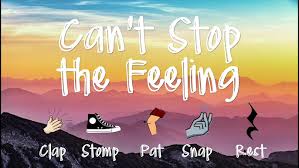
- What is a Rhythmic Pattern? A rhythmic pattern is a repeated sequence of beats or sounds.
- Importance of Rhythmic Patterns: • Rhythmic patterns keep music steady and organized.
- Basic Components: • Beat: The basic unit of time in music, like a steady pulse. • Tempo: The speed of the beat, can be fast or slow.
- How to Create Rhythmic Patterns:
- Clapping: Use your hands to create rhythm patterns.
- Stomping: Use your feet to create patterns.
- Marching: Move in place or around to the beat pattern.
- Singing: Make vocal sounds along with the beat.
- Humming: Hum along to create rhythm patterns.
- Counting: Beat, long, fast, beat.
- Examples of Rhythmic Patterns:
Different Types of Rhythmic Patterns:
- Simple Patterns: Clap, clap, clap, clap 👏👏👏👏
- Marching Rhythm: March like a soldier 🥁🥁🥁🥁
- Bass Pattern: Beat, clap, beat, clap 🥁👏🥁👏
- Different Types of Rhythmic Patterns:
- Simple Beat: Consistent and even patterns.
- Compound: Can combine two or more patterns.
- Syncopated: Beat may not fall on the expected beat off the main beats.
- Irregular: Clap, clap, clap, clap, rest 👏👏👏👏
- Tools to Keep Rhythm:
- Metronome: A device that keeps time in steady beat. 🎵
- Clapping: Using hands to keep time.
- Dancing: Moving the body to the rhythm.
- Practical Activities:
- Clapping Games: Create rhythm with friends. 👏
- Marching: March in time to a drumbeat. 🥁🚶
- Playing Instruments: Use simple instruments like drums or tambourines. 🥁🎵
- Listening to Music:
- Popular music: Good and bad rhythms. 🎵🎶
- Creating Your Own Patterns:
- Mix Sounds: Clap and stomp rhythmic patterns. 👏
Conclusion: Rhythmic patterns are the backbone of music, helping to keep it organized and enjoyable. By listening, practicing, and understanding, you can master your own unique rhythms. Beat for experimentation and musical expression.
Primary 5 Pupils
- What is a rhythmic pattern? A rhythmic pattern is a repeated sequence of beats or sounds.
- Why is rhythm important in music? Rhythm keeps the music steady and organized.
- What is a beat in music? A beat is the basic unit of time in music, like a steady pulse.
- How do musicians use rhythmic patterns? They use rhythmic patterns to create structure in their music.
- What instruments are commonly used to create rhythm? Drums, percussion instruments, and clapping.
- Can clapping hands make a rhythmic pattern? Yes, clapping is a way to create and keep rhythmic patterns.
- What is a fast rhythmic pattern called? Fast tempo rhythmic patterns or quick rhythms.
- What is a slow rhythmic pattern? A slow tempo rhythmic pattern or ballad rhythm.
- How do musicians keep a steady beat? They use a metronome or count beats in their head.
- What is a metronome? A device that keeps time with a steady, regular beat.
- Can you create a rhythm by stomping feet? Yes, stomping feet is another way to create rhythmic patterns.
- What is the role of a drummer in a band? To keep the beat and provide rhythmic foundation.
- What does it mean to march in time with a drumbeat? Moving your feet to match the rhythm of the drum.
- What is the difference between rhythm and melody? Rhythm is the beat pattern, melody is the tune.
- Why do musicians count beats in groups? To organize music into measures and keep time.
This term's Cultural & Creative Arts topics
Basic 5 Third Term · 9 topics
- Modelling Papier Mache
- Classification of Musical Instruments and Sounds They Produce
- Meaning and Objective of Traditional Apprenticeship System
- Fabric Decoration by Tie and Dye Methods
- Rhythemic Pattern
- Definition of Drama
- Definition of Dance
- Mode of Greeting
- Nigerian Musical Instruments and Sounds They Produce
Third Term Cultural & Creative Arts (CCA) Lesson Notes for Other Topics
Creating a Drama Sketch from a Story
Read the full lesson note.
Types of Lines and Uses of Lines
Read the full lesson note.
Musical Notes
Read the full lesson note.
Musical Notes - Values and Rest Signs
Read the full lesson note.
Drawing
Read the full lesson note.
Methods of Moulding Objects
Read the full lesson note.
Introduction to Recorder Playing
Read the full lesson note.
Fashion Accessories - Singing Songs About Wearing Clothes
Read the full lesson note.
Definition of Music
Read the full lesson note.

Mode of Greeting
Read the full lesson note.
Element of Design
Read the full lesson note.
Definition of Drama and Theatre
Read the full lesson note.

Definition of Dance
Read the full lesson note.
Impersonation
Read the full lesson note.

Melodic Patterns Of Traditional Song
Read the full lesson note.
Lesson Notes for Other Classes

Basic 1 Lesson Note
The complete lesson note to guide your studies.
Basic 2 Lesson Note
The complete lesson note to guide your studies.
Basic 3 Lesson Note
The complete lesson note to guide your studies.
Basic 4 Lesson Note
The complete lesson note to guide your studies.
Basic 6 Lesson Note
The complete lesson note to guide your studies.

JSS1 Lesson Note
The complete lesson note to guide your studies.