
Makeup In Drama JSS1 Cultural & Creative Arts (CCA) Lesson Note
Download Lesson NoteTopic: Makeup In Drama
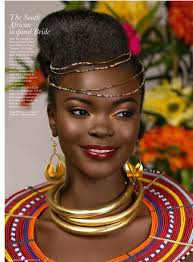
Makeup in drama refers to the cosmetics, paints, and materials applied to an actor’s face and body to transform their appearance for theatrical performances. Stage makeup helps actors become their characters, enhances facial features for visibility from a distance, and creates special effects that support the storytelling process.
History of Theatrical Makeup
- Ancient Greek and Roman actors used masks and basic paints
- In traditional African performances, face painting with natural materials (chalk, charcoal, clay) was common
- Nigerian traditional performances use makeup in festivals like Eyo, Egungun, and masquerades
- Modern stage makeup developed in the 19th century with gas lighting
- Today’s makeup combines traditional techniques with modern products and technology
Purpose and Importance of Makeup in Drama
- Character Transformation
- Changes actor’s appearance to match character
- Shows age, health, social status
- Creates non-human characters (animals, spirits)
- Distinguishes between multiple characters played by same actor
- Visibility Enhancement
- Makes facial features visible from distance
- Compensates for bright stage lights that wash out natural features
- Defines eyes, lips, and facial structure
- Ensures expressions can be seen by entire audience
- Storytelling Support
- Shows character development (aging, injury)
- Indicates time period and setting
- Reveals character’s emotional state
- Supports plot points (scars, bruises)
- Creating Atmosphere
- Establishes mood and genre
- Enhances dramatic effect
- Supports overall production design
- Creates unity in ensemble performances
Types of Stage Makeup
- Straight Makeup
- Enhances natural features
- Corrects skin tone for stage lights
- Defines features without changing appearance
- Most common type for realistic plays
- Character Makeup
- Transforms actor into specific character
- Adds aging, scars, or distinctive features
- Changes face shape and structure
- Includes facial hair application
- Fantasy/Special Effects Makeup
- Creates non-realistic appearances
- Monsters, aliens, spirits
- Wounds, burns, supernatural effects
- Uses prosthetics and special materials
- Cultural/Traditional Makeup
- Represents specific cultural traditions
- Tribal markings and patterns
- Religious or ceremonial designs
- Historical period makeup
Basic Makeup Materials and Tools
- Foundation Products
- Pancake foundation (pressed powder)
- Cream foundation
- Liquid foundation
- Setting powder
- Various skin tone shades
- Color Products
- Eye shadows
- Lipsticks and lip liners
- Blush/rouge
- Eyeliners and brow pencils
- Colored creams and paints
- Application Tools
- Sponges (natural and synthetic)
- Brushes (various sizes and shapes)
- Powder puffs
- Cotton swabs
- Tissues and makeup removers
- Special Effects Materials
- Spirit gum (adhesive)
- Fake blood
- Scar wax
- Latex
- Crepe hair
- Bald caps
Basic Color Theory in Makeup
- Primary Colors: Red, blue, yellow
- Secondary Colors: Green, orange, purple
- Warm Colors: Red, orange, yellow (appear to come forward)
- Cool Colors: Blue, green, purple (appear to recede)
- Complementary Colors: Opposite colors that contrast
- Highlights: Light colors make features prominent
- Shadows: Dark colors make features recede
Face Shapes and Contouring
- Oval Face: Considered ideal, requires minimal contouring
- Round Face: Contour sides to create angles
- Square Face: Soften angular jawline
- Heart Face: Balance narrow chin with forehead
- Oblong Face: Add width to create balance
Basic Makeup Application Process
- Preparation
- Clean face thoroughly
- Apply moisturizer if needed
- Tie hair back from face
- Cover clothing with cape/towel
- Organize makeup materials
- Foundation Application
- Choose correct shade for character
- Apply evenly with sponge
- Blend into hairline and neck
- Set with powder to prevent smudging
- Create even base tone
- Contouring and Highlighting
- Apply darker shades to create shadows
- Use lighter shades for highlights
- Blend carefully for natural effect
- Define cheekbones, nose, jawline
- Enhance or minimize features as needed
- Eye Makeup
- Define eyebrows with pencil or shadow
- Apply base color on eyelids
- Add darker colors for definition
- Line eyes for visibility
- Apply mascara if appropriate
- Lip Makeup
- Define lip shape with liner
- Fill with appropriate color
- Consider character’s age and style
- Ensure visibility from distance
- Final Details
- Add rouge/blush to cheeks
- Check overall balance
- Set with final powder
- Add special effects if required
Age Makeup Techniques
Making Actor Look Older:
- Add lines and wrinkles with brown pencil
- Create age spots with brown stippling
- Gray or white highlights in hair and brows
- Contour to show sagging skin
- Pale lips and reduce lip fullness
- Add dark circles under eyes
Making Actor Look Younger:
- Use lighter foundation
- Create rosy cheeks and lips
- Minimize lines and blemishes
- Enhance eyes with bright colors
- Create smooth, even skin tone
- Add shine to suggest youthful glow
Special Effects Basics
- Creating Scars
- Use scar wax or latex
- Build up desired shape
- Blend edges into skin
- Color with reds and purples
- Add shine for recent wounds
- Bruises and Black Eyes
- Start with red base
- Add purple and blue
- Yellow-green at edges
- Blend naturally
- Consider age of bruise
- Fake Blood
- Commercial stage blood
- Must be washable
- Apply realistically
- Consider flow patterns
- Clean immediately after use
Cultural and Traditional Makeup
Nigerian Examples:
- Egungun Masquerade: Bold geometric patterns
- Gelede Masks: Feminine beauty ideals
- Tribal Markings: Specific cultural identifications
- Festival Makeup: Bright colors and patterns
Guidelines:
- Research cultural significance
- Respect traditional meanings
- Use appropriate colors
- Maintain authenticity
- Avoid cultural appropriation
Safety and Hygiene
- Personal Safety
- Test products for allergies
- Never share eye makeup
- Use clean tools
- Remove makeup thoroughly
- Avoid expired products
- Hygiene Practices
- Wash hands before application
- Clean brushes and sponges regularly
- Use disposable applicators when sharing
- Store makeup properly
- Replace products regularly
- Skin Care
- Remove all makeup after performance
- Use appropriate cleanser
- Moisturize skin
- Allow skin to breathe
- Treat any irritations promptly
Makeup Design Process
- Script Analysis
- Read character description
- Note time period and setting
- Identify special requirements
- Consider character’s journey
- Character Research
- Study reference images
- Consider character’s background
- Note age and health
- Plan changes throughout play
- Design Creation
- Sketch makeup design
- Create color palette
- List required products
- Plan application time
- Testing
- Try design before performance
- Adjust under stage lights
- Get director’s approval
- Document final design
Practice Exercises for Students
- Basic Application: Practice straight makeup on self
- Age Exercise: Transform classmate to look older
- Character Creation: Design makeup for fairy tale character
- Cultural Research: Study traditional Nigerian face painting
- Special Effects: Create simple scar or bruise
Career Opportunities
- Professional makeup artist
- Special effects artist
- Film and television makeup
- Fashion and runway makeup
- Makeup designer for theatre
- Makeup instructor
- Traditional makeup specialist
Tips for Student Makeup Artists
- Start with basic techniques
- Practice regularly
- Study faces and features
- Watch professional tutorials
- Build makeup kit gradually
- Learn from mistakes
- Photograph your work
- Maintain hygiene standards
- Be patient and precise
- Respect actor’s comfort
Conclusion
Makeup is an essential element of dramatic performance that transforms actors into believable characters. It requires artistic skill, technical knowledge, and understanding of theatrical needs. From basic enhancement to complex special effects, makeup artists help bring stories to life on stage. Students learning theatrical makeup develop creativity, attention to detail, and practical skills useful in many areas of performance and visual arts. With practice and proper technique, anyone can master the fundamentals of stage makeup and contribute to successful dramatic productions.
Third Term Cultural & Creative Arts (CCA) Lesson Notes for Other Topics

Melodic Patterns Of Traditional Song
Explore lesson notes covering all topics.

The Bass Staff
Explore lesson notes covering all topics.

Colouring - Functional Artworks
Explore lesson notes covering all topics.

Festivals
Explore lesson notes covering all topics.

Traditional Festivals
Explore lesson notes covering all topics.

The Treble Staff
Explore lesson notes covering all topics.

Modelling Papier Mache
Explore lesson notes covering all topics.

Classification of Musical Instruments And Sounds They Produce
Explore lesson notes covering all topics.

Meaning And Objective Of Traditional Apprenticeship System
Explore lesson notes covering all topics.

Fabric Decoration By Tie And Dye Methods
Explore lesson notes covering all topics.

Definition Of Drama
Explore lesson notes covering all topics.

Rhythemic Pattern
Explore lesson notes covering all topics.

Definition Of Dance
Explore lesson notes covering all topics.

Mode of Greeting
Explore lesson notes covering all topics.

Nigerian Musical Instruments And Sounds They Produce
Explore lesson notes covering all topics.

Lesson Notes for Other Classes

Basic 2 Lesson Note
The complete lesson note to guide your studies.
Basic 3 Lesson Note
The complete lesson note to guide your studies.

Basic 4 Lesson Note
The complete lesson note to guide your studies.

Basic 5 Lesson Note
The complete lesson note to guide your studies.

JSS2 Lesson Note
The complete lesson note to guide your studies.

JSS3 Lesson Note
The complete lesson note to guide your studies.