
Martial Art (History of Judo) Basic 6 Basic Technology Lesson Note
Download Lesson NoteTopic: Martial Art (History of Judo)
LEARNING OBJECTIVES By the end of the lesson, pupils should be able to:
- Discuss brief history of judo
- Itemize equipment of judo
- Analyze the importance of judo
WHAT IS MARTIAL ART?
Martial arts are codified systems and traditions of combat practiced for self-defense, competition, physical health, mental discipline, and spiritual development. The word “martial” comes from Mars, the Roman god of war.
Types of Martial Arts:
- Judo (Japan)

- Karate (Japan/Okinawa)

- Taekwondo (Korea)

- Kung Fu (China)

- Boxing (Various origins)
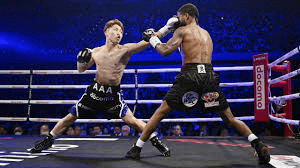
- Wrestling (Various origins)

- Jujitsu (Japan)

- Aikido (Japan)
DEFINITION OF JUDO
Judo is a modern Japanese martial art and Olympic sport that involves throwing, grappling, and submission techniques. The word “Judo” means “gentle way” or “flexible way” in Japanese.
HISTORY OF JUDO
Founder: Professor Jigoro Kano
Year Founded: 1882
Place: Tokyo, Japan
Full Story:
Jigoro Kano was born on October 28, 1860, in Japan. As a young boy, he was small and weak, and often bullied by bigger students. To defend himself, he decided to learn jujitsu (an ancient Japanese fighting art).
Kano studied different styles of jujitsu from various masters. He noticed that some techniques were dangerous and could cause serious injuries. He wanted to create a safer martial art that focused on skill and technique rather than strength.
In 1882, at age 22, Jigoro Kano opened the first judo school called Kodokan (which means “place to study the way”) in Tokyo. He developed judo by:
- Removing dangerous techniques from jujitsu
- Adding safe throwing and grappling techniques
- Emphasizing skill over strength
- Focusing on mental and moral development
- Creating a system for ranking students (belt colors)
Spread of Judo:
- 1886: Judo gained recognition when Kodokan judo students defeated jujitsu practitioners in a famous tournament
- Early 1900s: Judo spread to Europe and America
- 1964: Judo became an Olympic sport at the Tokyo Olympics (for men)
- 1992: Women’s judo was added to the Barcelona Olympics
- Today: Judo is practiced in over 200 countries worldwide
Jigoro Kano’s Principles:
- Maximum Efficiency, Minimum Effort: Use technique and leverage, not just strength
- Mutual Welfare and Benefit: Judo training should benefit both participants
- Character Development: Judo builds good character and discipline
Jigoro Kano died in 1938, but his legacy continues. He is honored as the Father of Judo and the Father of Japanese Sports.
JUDO IN NIGERIA
Judo was introduced to Nigeria in the 1960s. The Nigeria Judo Federation was established to promote and develop the sport. Nigerian judokas (judo practitioners) have competed in international competitions including the Olympics, African Championships, and Commonwealth Games.
EQUIPMENT OF JUDO
- JUDOGI (JUDO UNIFORM)
Parts of the Judogi:
- Gi Jacket (Uwagi): Heavy cotton jacket that can withstand gripping and pulling
- Pants (Zubon): Loose-fitting trousers
- Belt (Obi): Colored belt worn around the waist to indicate rank
Colors:
- White or blue judogi for competition
- Must be clean and in good condition
- Jacket must be long enough to cover hips
- Sleeves must reach wrists but not cover hands
- BELTS (OBI)
Judo uses a colored belt system to show rank and skill level:
For Beginners to Advanced:
- White Belt: Beginner (6th Kyu)
- Yellow Belt: Intermediate (5th Kyu)
- Orange Belt: Advanced beginner (4th Kyu)
- Green Belt: Intermediate (3rd Kyu)
- Blue Belt: Advanced (2nd Kyu)
- Brown Belt: Very advanced (1st Kyu)
- Black Belt (Dan): Expert level (1st Dan to 10th Dan)
- Red and White Belt: Master (6th-8th Dan)
- Red Belt: Grand Master (9th-10th Dan)
- TATAMI (JUDO MAT)
- Special thick mat used for judo practice and competition
- Usually green or blue in color
- Made of vinyl-covered foam
- Minimum size: 14m x 14m for competition
- Provides cushioning for falls and throws
- Must be firm but soft enough to prevent injuries
- COMPETITION AREA
- Contest area (8m x 8m minimum)
- Safety area around the contest zone
- Marked with different colored mats
- Red zone indicates boundary
- ADDITIONAL EQUIPMENT
- Scoreboard: Electronic or manual, displays points and time
- Timer/Clock: To time matches
- Referee Flags: Red and white flags for signaling
- First Aid Kit: For treating minor injuries
- Hygiene Items: Towels, nail clippers (nails must be short)
OPTIONAL PROTECTIVE GEAR:
- Mouthguard (for teeth protection)
- Ear guards (to prevent cauliflower ear)
- Knee pad
- s (for practice)
IMPORTANCE OF JUDO
Physical Benefits:
- Full Body Workout: Develops strength in arms, legs, core, and back
- Improves Flexibility: Stretching and movements increase flexibility
- Enhances Balance: Throwing techniques improve balance and coordination
- Builds Endurance: Continuous training increases stamina
- Weight Management: Burns calories and maintains healthy weight
- Cardiovascular Health: Improves heart and lung function
- Develops Reflexes: Quick reactions and fast decision-making
- Increases Strength: Regular practice builds muscle strength
- Improves Posture: Proper stance and movements correct posture
Mental Benefits:
- Builds Confidence: Mastering techniques increases self-esteem
- Develops Discipline: Requires regular practice and commitment
- Improves Focus: Concentration needed for techniques and strategy
- Stress Relief: Physical activity reduces stress and anxiety
- Problem-Solving Skills: Learning to counter opponent’s moves
- Mental Toughness: Builds resilience and perseverance
- Goal Setting: Working toward different belt ranks
- Memory Enhancement: Remembering techniques and combinations
Social Benefits:
- Respect: Teaches respect for opponents, teachers, and rules
- Sportsmanship: Learn to win and lose gracefully
- Teamwork: Training with partners builds cooperation
- Cultural Awareness: Learn about Japanese culture and traditions
- Friendship: Meet people with similar interests
- Communication: Learn to work with different people
Self-Defense Benefits:
- Personal Safety: Learn to defend yourself from attackers
- Situational Awareness: Become more alert to surroundings
- Breaking Falls Safely: Learn to fall without injury (ukemi)
- Confidence in Dangerous Situations: Feel prepared to protect yourself
Character Development:
- Humility: Success comes from continuous learning
- Courtesy: Bowing and respect are central to judo
- Self-Control: Control emotions during competition
- Honor: Follow rules and act with integrity
- Courage: Face challenges and stronger opponents
- Patience: Progress takes time and dedication
Life Skills:
- Time Management: Balance training with school and other activities
- Leadership: Advanced students help teach beginners
- Adaptability: Adjust techniques based on opponent
- Perseverance: Don’t give up when techniques are difficult
Health Benefits:
- Prevents Obesity: Regular exercise maintains healthy weight
- Strengthens Immune System: Physical activity boosts immunity
- Better Sleep: Exercise promotes better sleep patterns
- Reduces Risk of Diseases: Active lifestyle prevents health problems
EVALUATION
- Who founded judo and in what year?
- What does the word “judo” mean?
- Name the three parts of a judogi
- List the belt colors in judo from beginner to expert
- State five importance of practicing judo
MULTIPLE CHOICE QUESTIONS
- Judo was founded by ________
- a) Bruce Lee
- b) Jigoro Kano
- c) Jackie Chan
- d) Muhammad AliJudo means ________
- a) Hard way
- b) Gentle way
- c) Fast way
- d) Strong way
- Judo was founded in ________ in 1882
- a) China
- b) Korea
- c) Japan
- d) India
- The judo uniform is called ________
- a) Kimono
- b) Judogi
- c) Karategi
- d) Uniform
- A beginner in judo wears a ________ belt
- a) Black
- b) Brown
- c) White
- d) Red
- The judo mat is called ________
- a) Tatami
- b) Canvas
- c) Ring
- d) Floor
- Judo became an Olympic sport in ________
- a) 1964
- b) 1984
- c) 2000
- d) 1950
- The first judo school was called ________
- a) Dojo
- b) Kodokan
- c) Karate Kid
- d) Judo House
- An expert in judo wears a ________ belt
- a) White
- b) Yellow
- c) Black
- d) Green
- Which is NOT a benefit of judo?
- a) Builds confidence
- b) Improves fitness
- c) Causes laziness
- d) Develops discipline
ANSWERS: 1.b 2.b 3.c 4.b 5.c 6.a 7.a 8.b 9.c 10.c
HOMEWORK
- Write a short biography of Jigoro Kano (10 sentences)
- Draw and label the judo uniform (judogi)
- List the belt colors from white to black in order
- Explain five ways judo can benefit you as a student
- Research and write about one famous Nigerian judo athlete
Third Term Basic Technology Lesson Notes for Other Topics

Health and Hygiene
Explore lesson notes covering all topics.

Simple Machines
Explore lesson notes covering all topics.

Booting
Explore lesson notes covering all topics.

Teeth Brushing
Explore lesson notes covering all topics.

Simple Machines - The Safe Use of Simple Machines
Explore lesson notes covering all topics.

Care of the Nails and Hair
Explore lesson notes covering all topics.

Concept of Technology
Explore lesson notes covering all topics.

Steps of Booting
Explore lesson notes covering all topics.

Cleanliness
Explore lesson notes covering all topics.

Technology in Home - Electric Gadgets
Explore lesson notes covering all topics.

First Aid
Explore lesson notes covering all topics.

Technology in Transportation - Land and Air
Explore lesson notes covering all topics.

First Aid (Continued)
Explore lesson notes covering all topics.

What Is Water Transportation?
Explore lesson notes covering all topics.

My Desktop (Review)
Explore lesson notes covering all topics.
Lesson Notes for Other Classes

Basic 1 Lesson Note
The complete lesson note to guide your studies.

Basic 2 Lesson Note
The complete lesson note to guide your studies.

Basic 3 Lesson Note
The complete lesson note to guide your studies.

Basic 4 Lesson Note
The complete lesson note to guide your studies.

Basic 5 Lesson Note
The complete lesson note to guide your studies.

JSS1 Lesson Note
The complete lesson note to guide your studies.