
Recreation Basic 5 Physical & Health Education Lesson Note
Download Lesson NoteTopic: Recreation
Behavioural Objectives:
At the end of the lesson, the pupils should be able to:
- discuss the definition of recreation • identify the two components of recreation • analyse the difference between indoor activities and outdoor recreational activities
Instructional Materials:
- Wall charts • Pictures • Padded mats • Skipping ropes • Music (optional) • Related Online Video • Flash Cards
Methods of Teaching:
- Class Discussion • Group Discussion • Asking Questions • Explanation • Role Modelling • Role Delegation
Reference Materials:
- Scheme of Work • Online Information • Textbooks • Workbooks • 9 Year Basic Education Curriculum • Workbooks
Content
What is recreation
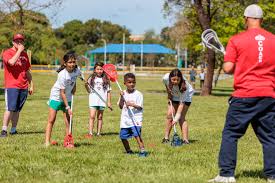
Recreation is defined as the act of refreshing one’s body or mind through leisure activities or hobbies. It is a way to relax and enjoy oneself during one’s free time. Some examples of recreational activities include sports, games, hobbies, cultural and artistic pursuits, and outdoor activities such as camping, hiking, and fishing. Many people participate in recreational activities as a way to improve their physical and mental health, to socialize with others, and to reduce stress and tension. Recreation can also be a form of entertainment and can be an important part of maintaining a balanced and healthy lifestyle.
Two main components of recreation
There are two main components of recreation: physical activity and leisure activities.
- Physical activity: Physical activity is any type of movement that uses energy and helps to maintain or improve physical fitness. It can include sports, exercise, and other activities that involve physical exertion such as running, cycling, swimming, and team sports. Physical activity is important for maintaining good physical health and can also help to reduce stress and improve mental well-being.
- Leisure activities: Leisure activities are activities that are done for enjoyment or relaxation during one’s free time. They can include hobbies, such as crafting, painting, and playing musical instruments, as well as cultural and artistic pursuits, such as attending concerts or theater performances. Leisure activities can also include socializing with friends and family, watching movies or TV, or participating in outdoor activities such as hiking and camping. These activities can help to improve mental health and well-being by providing a sense of relaxation and enjoyment.
Difference between indoor activities and outdoor recreational activities
- Location: Indoor activities are typically held inside a building or a covered structure, while outdoor activities are held in an open or natural setting.
- Climate: Indoor activities are generally not affected by the weather, while outdoor activities can be influenced by the climate and may be affected by factors such as heat, cold, rain, or wind.
- Space: Indoor activities often have more limited space for movement and may require more specialized equipment, while outdoor activities generally have more room for movement and may require more specialized equipment.
- Safety: Indoor activities may be perceived as being safer, as they are held in controlled environments with fewer potential hazards. Outdoor activities, on the other hand, may present more risks due to the presence of natural elements and changing weather conditions.
- Physical activity: Indoor activities may be more sedentary, while outdoor activities often require more physical activity and may be more strenuous.
Cost: Indoor activities may require the purchase of specialized equipment or the payment of admission fees, while outdoor activities may be less expensive or may not require any special equipment.
Second Term Physical & Health Education Lesson Notes for Other Topics
Games - Basic Skills in Ball Games
Explore lesson notes covering all topics.
Games (Local Games)
Explore lesson notes covering all topics.
Safety Rules in Football Games
Explore lesson notes covering all topics.
Swimming (Aquatic)
Explore lesson notes covering all topics.

Revision
Explore lesson notes covering all topics.

Revision II
Explore lesson notes covering all topics.

Safety Rules in Swimming
Explore lesson notes covering all topics.
Ball Games - Basketball
Explore lesson notes covering all topics.
Ball Games - Football
Explore lesson notes covering all topics.
Ball Games - Safety Rules in Football
Explore lesson notes covering all topics.

Tennis
Explore lesson notes covering all topics.

Recreation
Explore lesson notes covering all topics.

Gymnastics with Apparatus
Explore lesson notes covering all topics.

Gymnastics
Explore lesson notes covering all topics.

Physical Fitness Cont'd
Explore lesson notes covering all topics.
Lesson Notes for Other Classes

Basic 1 Lesson Note
The complete lesson note to guide your studies.

Basic 2 Lesson Note
The complete lesson note to guide your studies.
Basic 3 Lesson Note
The complete lesson note to guide your studies.

Basic 4 Lesson Note
The complete lesson note to guide your studies.
Basic 6 Lesson Note
The complete lesson note to guide your studies.
JSS1 Lesson Note
The complete lesson note to guide your studies.