
Physical Fitness Basic 5 Physical & Health Education Lesson Note
Download Lesson NoteTopic: Physical Fitness
Behavioral Objectives
At the end of the lesson the pupils should be able to:
- Explain what physical fitness means
- Mention activities for maintaining physical fitness
Instructional Materials/Reference Material
Learn Africa Physical and Health Education UBE edition for primary school book 5.
Building Background/Connection to Prior Knowledge
Students are familiar with the meaning of physical fitness.
Content
PHYSICAL FITNESS COMPONENTS
Physical fitness enhancement activities can include a variety of exercises and activities that help to improve overall health and wellness. Some examples include:
Types of Physical Fitness Activities:
Aerobic Exercise: Activities such as running, cycling, swimming, and dancing that increase heart rate and breathing, and can improve cardiovascular health and endurance.
Strength Training: Exercises that use resistance (such as weights or body weight) to build muscle and improve overall physical power.
Flexibility and Balance: Activities such as yoga, Pilates, and tai chi that help to increase flexibility, balance and core stability.
High Intensity Interval Training (HIIT): Short bursts of intense exercise followed by periods of recovery, which can help improve endurance, cardiovascular fitness and overall health.
Outdoor Activities: Activities such as hiking, rock climbing, surfing, and skiing can be fun and challenging ways to get physically fit and improve overall health.
Physical fitness is the state of health and well-being of a person. It is the ability to perform a certain sports, occupations and daily activities.
ACTIVITIES FOR MAINTAINING PHYSICAL FITNESS
- 50 meters shuttle run
- Carrying of weights
- Sit up
- Sergeant jump
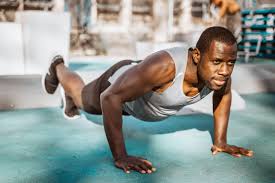
- Press up
- Broad jump
- Straight knee toe touch
- Beam walk
- Standing on one foot
Physical fitness is the state of health and well-being of a person. It is the ability to perform a certain sports, occupations and daily activities.
The following activities are for maintaining physical fitness – 50 meters shuttle run, carrying of weights, Sit up, etc.
Detailed Activity Descriptions:
1. 50 Meters Shuttle Run
- Purpose: Develops cardiovascular endurance and agility
- How to perform: Run back and forth between two points 25 meters apart
- Benefits: Improves speed, agility, and cardiovascular fitness
2. Carrying of Weights
- Purpose: Builds muscular strength and endurance
- How to perform: Lift and carry various weighted objects safely
- Benefits: Develops functional strength and core stability
3. Sit Up
- Purpose: Strengthens abdominal muscles
- How to perform: Lie on back, knees bent, lift upper body toward knees
- Benefits: Improves core strength and stability
4. Sergeant Jump (Vertical Jump)
- Purpose: Develops explosive power and leg strength
- How to perform: Jump as high as possible from standing position
- Benefits: Improves lower body power and coordination
5. Press Up (Push Up)
- Purpose: Builds upper body and core strength
- How to perform: Support body weight on hands and toes, lower and raise body
- Benefits: Strengthens chest, shoulders, arms, and core
6. Broad Jump (Standing Long Jump)
- Purpose: Develops explosive leg power
- How to perform: Jump forward as far as possible from standing position
- Benefits: Improves lower body strength and power
7. Straight Knee Toe Touch
- Purpose: Improves flexibility, particularly hamstrings
- How to perform: Stand with legs straight, bend forward to touch toes
- Benefits: Increases flexibility and range of motion
8. Beam Walk
- Purpose: Develops balance and coordination
- How to perform: Walk along a narrow beam or line maintaining balance
- Benefits: Improves balance, coordination, and proprioception
9. Standing on One Foot
- Purpose: Enhances balance and stability
- How to perform: Balance on one foot for specified time periods
- Benefits: Develops balance, ankle stability, and core strength
Evaluation
- Which of the following is NOT considered an aerobic exercise? a) Running b) Swimming c) Weightlifting d) Dancing
- What type of exercise is most effective for building muscle mass? a) Yoga b) Pilates c) Strength training d) Cycling
- Which activity can help improve balance and core stability? a) Hiking b) Surfing c) Yoga d) Running
- Which of the following activities is considered high-intensity interval training? a) Jogging at a steady pace b) Swimming laps c) Alternating between 30 seconds of sprinting and 30 seconds of rest d) Weightlifting for an hour
- Which activity would be best for improving cardiovascular health? a) Yoga b) Rock climbing c) Running d) Surfing
- Which of the following is NOT a benefit of regular physical fitness enhancement activities? a) Improved cardiovascular health b) Increased muscle mass c) Increased risk of injury d) Improved mental health
- Which type of exercise is best for improving flexibility? a) Strength training b) Yoga c) Running d) HIIT
- How often should you engage in physical fitness enhancement activities? a) Once a week b) Twice a week c) Three to four times a week d) Every day
- What is the recommended duration of physical fitness enhancement activities? a) 15 minutes b) 30 minutes c) 45 minutes d) 60 minutes
- What should you do before starting a new physical fitness enhancement program? a) Consult with a doctor b) Start immediately c) Research different exercises online d) All of the above
PHYSICAL FITNESS COMPONENT – SCHOOL HEALTH PROGRAMME
This is a program which is meant to promote the health and safety and well-being ofis and staff in the school.
COMPONENTS OF SCHOOL HEALTH PROGRAM
1. School Health Instruction and Health Education
This focuses on the physical, mental, emotional, and social ways of health. Through health education, pupils learn how to maintain and improve their health.
2. Healthful School Environment
This involves an environment that promotes the general well-being of the school in all ways by keeping the school compound free of reptiles and broken bottles.
3. Nutrition Services
In this program, pupils are provided nutritional needs. Under normal situation, these services are provided by the child nutrition experts.
4. Physical Education
This provides means to achieve learning objectives through a number of ways such as basic movement skills, physical fitness, rhythm and dance.
IMPORTANCE OF SCHOOL HEALTH PROGRAM
Benefits for Students:
- It provides health services to pupils
- It enhances wellness among pupils and staff
- It promotes healthful situation such as prevention of illness and injury
- It ensures clean environment for learning
Additional Benefits:
- Academic Performance: Healthy students perform better academically
- Attendance: Reduced illness leads to better school attendance
- Social Development: Health programs promote positive social interactions
- Life Skills: Students learn valuable health and wellness skills for life
- Disease Prevention: Early intervention and prevention of health issues
- Mental Health: Programs support emotional and psychological well-being
Implementation Strategies:
School Environment:
- Clean Facilities: Regular cleaning and maintenance of school buildings
- Safe Playground: Well-maintained outdoor areas free from hazards
- Proper Ventilation: Adequate air circulation in classrooms
- Safe Water: Access to clean drinking water
- Waste Management: Proper disposal systems for school waste
Health Education Curriculum:
- Age-Appropriate Content: Health topics suitable for different grade levels
- Interactive Learning: Hands-on activities and demonstrations
- Practical Application: Real-life scenarios and problem-solving
- Regular Assessment: Evaluation of student understanding and progress
Physical Activity Programs:
- Daily Physical Education: Regular PE classes for all students
- Sports Programs: Organized sports and recreational activities
- Fitness Testing: Regular assessment of student fitness levels
- Active Breaks: Short physical activity breaks during academic classes
Nutrition Programs:
- Healthy Meals: Nutritionally balanced school meal programs
- Nutrition Education: Teaching about healthy eating habits
- Garden Programs: School gardens to teach about fresh foods
- Water Access: Ensuring students have access to clean drinking water
Summary
Physical fitness encompasses various components and activities that contribute to overall health and well-being. The nine specific activities mentioned (shuttle run, weight carrying, sit-ups, sergeant jump, press-ups, broad jump, toe touch, beam walk, and standing on one foot) each target different aspects of fitness including cardiovascular endurance, strength, flexibility, balance, and coordination.
School health programs play a crucial role in promoting student wellness through comprehensive approaches that include health education, creating healthy environments, providing nutrition services, and implementing physical education programs. These programs not only improve immediate health outcomes but also establish lifelong habits that contribute to sustained wellness and academic success.
Regular participation in physical fitness activities, combined with comprehensive school health programs, creates an environment where students can develop physically, mentally, and socially, preparing them for healthy, productive lives.
Second Term Physical & Health Education Lesson Notes for Other Topics

Games - Basic Skills in Ball Games
Explore lesson notes covering all topics.

Games (Local Games)
Explore lesson notes covering all topics.

Safety Rules in Football Games
Explore lesson notes covering all topics.
Swimming (Aquatic)
Explore lesson notes covering all topics.

Revision
Explore lesson notes covering all topics.

Revision II
Explore lesson notes covering all topics.

Safety Rules in Swimming
Explore lesson notes covering all topics.
Ball Games - Basketball
Explore lesson notes covering all topics.

Ball Games - Football
Explore lesson notes covering all topics.

Ball Games - Safety Rules in Football
Explore lesson notes covering all topics.

Tennis
Explore lesson notes covering all topics.

Recreation
Explore lesson notes covering all topics.

Gymnastics with Apparatus
Explore lesson notes covering all topics.

Gymnastics
Explore lesson notes covering all topics.

Physical Fitness Cont'd
Explore lesson notes covering all topics.
Lesson Notes for Other Classes

Basic 1 Lesson Note
The complete lesson note to guide your studies.

Basic 2 Lesson Note
The complete lesson note to guide your studies.

Basic 3 Lesson Note
The complete lesson note to guide your studies.

Basic 4 Lesson Note
The complete lesson note to guide your studies.

Basic 6 Lesson Note
The complete lesson note to guide your studies.

JSS1 Lesson Note
The complete lesson note to guide your studies.