Common Farm Tools – Basic 4 Agricultural Science Lesson Note (Third Term)
Download Lesson NoteLesson note at a glance
- Subject
- Agricultural Science
- Class
- Basic 4
- Term
- Third Term
- Topic
- Common Farm Tools
- Order
- Topic 1 of 7 this term
- Reading time
- 3 min
What are Farm Tools?
Farm tools are equipment used by farmers to make farming work easier, faster, and more successful. They help plant crops, care for animals, and harvest food.
Why Do Farmers Need Tools?
- Make work easier than using hands alone
- Save time and energy
- Do better work with proper equipment
- Grow more food efficiently
Types of Common Farm Tools
- Hand Tools
Tools operated by hand without machines
Hoe:

- Description: Long wooden handle with flat metal blade
- Use: Breaking soil, weeding around plants, making furrows
- Size: Different sizes for different crops
- Care: Keep blade sharp and handle strong
Cutlass (Machete):
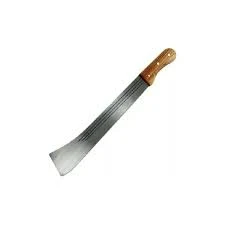
- Description: Large, sharp, curved blade with handle
- Use: Cutting grass, clearing bushes, harvesting crops
- Safety: Very sharp – adult use only
- Care: Keep blade clean and sharp
Rake:

- Description: Long handle with metal or wooden teeth
- Use: Gathering leaves, leveling soil, collecting harvest
- Types: Different tooth spacing for different jobs
- Care: Keep teeth straight and handle secure
Shovel/Spade:
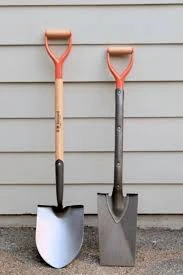
- Description: Long handle with flat or pointed blade
- Use: Digging holes, moving soil, planting trees
- Types: Flat for cutting, pointed for digging
- Care: Clean after use, oil blade to prevent rust
- Digging Tools
Pick Axe:

- Description: Heavy tool with pointed metal head
- Use: Breaking hard ground, removing rocks
- Weight: Heavy tool that requires strength
- Safety: Adult supervision needed
Mattock:
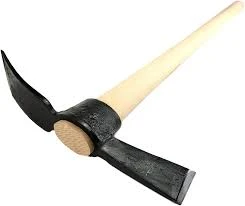
- Description: Tool with blade on one side, pick on other
- Use: Digging in hard soil, cutting roots
- Versatile: Two tools in one
- Traditional: Used for generations in farming
- Cutting and Harvesting Tools
Sickle:

- Description: Curved blade with short handle
- Use: Cutting grass, harvesting grain crops
- Traditional: Ancient farming tool still used today
- Technique: Requires skill to use safely
Pruning Shears:

- Description: Strong scissors for cutting branches
- Use: Trimming fruit trees, cutting thick stems
- Size: Hand-held, easy to control
- Maintenance: Keep blades sharp and clean
- Planting Tools
Dibble/Planting Stick:
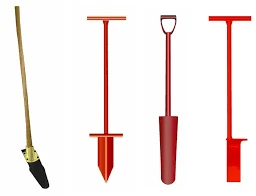
- Description: Pointed stick for making holes
- Use: Making holes for seeds and seedlings
- Simple: Easy to make and use
- Effective: Perfect hole size for seeds
Seed Drill:
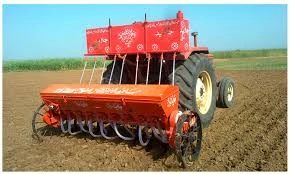
- Description: Tool that makes furrows and plants seeds
- Use: Planting seeds in straight rows
- Efficiency: Plants many seeds quickly
- Modern: Improved version of old tool
- Create jobs in tool manufacturing
- Support rural economies
Cultural Heritage:
- Traditional knowledge preserved
- Skills passed between generations
- Local craftsmanship maintained
- Cultural identity through farming practices
EXERCISES
Exercise 1: Fill in the Blanks
- Farm tools make farming work ________ and faster
- A ________ has a long handle with a flat metal blade
- ________ tools are operated by hand without machines
- Tools should be ________ after each use to prevent rust
Exercise 2: True or False
- Farm tools help farmers grow more food ____
- All farm tools need electricity to work ____
- Sharp tools should be handled carefully ____
- Traditional tools are no longer useful ____
Exercise 3: Match Tool with Use
Draw lines to connect each tool with its main use:
- Hoe → Carrying harvested crops
- Sickle → Moving heavy loads
- Wheelbarrow → Breaking soil and weeding
- Basket → Cutting grass and grain
Exercise 4: Tool Categories
Write “H” for Hand tools, “D” for Digging tools, “C” for Cutting tools, or “P” for Planting tools:
- Cutlass ____
- Pick axe ____
- Dibble ____
- Rake ____
- Sickle ____
Exercise 5: Choose the Right Answer
Circle the correct answer:
- Most important for tool safety: Speed / Adult supervision
- Best way to store tools: Outside in rain / Dry, covered place
- Traditional tools use: Human power / Electricity
- Sharp tools should cut: Toward body / Away from body
This term's Agricultural Science topics
Basic 4 Third Term · 7 topics
Third Term Agricultural Science Lesson Notes for Other Topics

Farm Records and Types
Read the full lesson note.
Marketing Channels for Farm Produce; Co-operative Societies and Marketing Boards
Read the full lesson note.

Marketing Channels - Middlemen and Retailers
Read the full lesson note.
Marketing Channels for Farm farm Produce; Producers of Farm Produce
Read the full lesson note.

Marketing Channels for Farm Produce
Read the full lesson note.

Common Pests And Parasites Of Farm Animals
Read the full lesson note.
Systems Of Rearing Farm Animals
Read the full lesson note.

Management Of Farm Animals
Read the full lesson note.

Rearing Of Chicken, Rabbit, Or Snail
Read the full lesson note.
Common Disease Of Farm Animals 2
Read the full lesson note.

Common Disease Of Farm Animals
Read the full lesson note.

Procedures For Rearing Farm Animals
Read the full lesson note.

Rearing Of Farm Animals
Read the full lesson note.
Description and Uses of Farm Tools
Read the full lesson note.
Agricultural Tillage Tools
Read the full lesson note.
Lesson Notes for Other Classes

Basic 1 Lesson Note
The complete lesson note to guide your studies.
Basic 2 Lesson Note
The complete lesson note to guide your studies.

Basic 3 Lesson Note
The complete lesson note to guide your studies.

Basic 5 Lesson Note
The complete lesson note to guide your studies.

Basic 6 Lesson Note
The complete lesson note to guide your studies.

JSS1 Lesson Note
The complete lesson note to guide your studies.