Description and Uses of Farm Tools – Basic 4 Agricultural Science Lesson Note (Third Term)
Download Lesson NoteLesson note at a glance
- Subject
- Agricultural Science
- Class
- Basic 4
- Term
- Third Term
- Topic
- Description and Uses of Farm Tools
- Order
- Topic 2 of 7 this term
- Reading time
- 6 min
What is Tool Description?
Tool description means explaining how a farm tool looks, what it is made of, and its parts. This helps us identify and understand each tool.
What are Tool Uses?
Tool uses explain what jobs each farm tool does and how it helps farmers in their work.
Common Farm Tools – Description and Uses
- Hoe

Description:
- Shape: Long wooden handle with flat metal blade
- Size: Handle about 3-4 feet long, blade 4-6 inches wide
- Material: Wooden handle, iron or steel blade
- Weight: Light enough for one person to use
- Parts: Handle, blade, connection joint
Uses:
- Breaking soil: Makes hard ground soft for planting
- Weeding: Removes unwanted plants around crops
- Making ridges: Creates raised rows for planting
- Mixing soil: Combines soil with compost or fertilizer
- Harvesting: Digging up root crops like yam and cassava
- Cutlass (Machete)
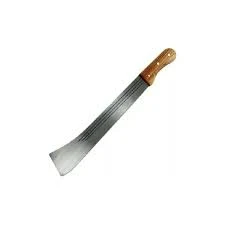
Description:
- Shape: Long, curved, sharp metal blade with handle
- Size: Blade 12-18 inches long, handle 4-6 inches
- Material: Steel blade, wooden or plastic handle
- Edge: Very sharp cutting edge
- Weight: Medium weight, balanced for swinging
Uses:
- Clearing land: Cutting down bushes and small trees
- Harvesting: Cutting sugar cane, plantain, and other crops
- Trimming: Cutting overgrown grass and weeds
- Splitting: Opening coconuts and cutting firewood
- Self-defense: Protecting against dangerous animals
- Rake
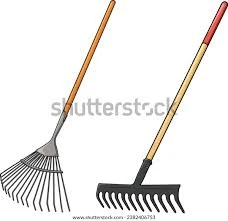
Description:
- Shape: Long handle with teeth or prongs at one end
- Size: Handle 4-5 feet long, head 8-12 inches wide
- Material: Wooden handle, metal or wooden teeth
- Teeth: 10-20 straight or curved teeth
- Design: Teeth spread out like fingers
Uses:
- Gathering: Collecting cut grass, leaves, and harvest
- Leveling: Making soil surface smooth and even
- Cleaning: Removing debris from farm areas
- Preparing seedbed: Making soil ready for planting
- Hay making: Turning and gathering dried grass
- Shovel/Spade
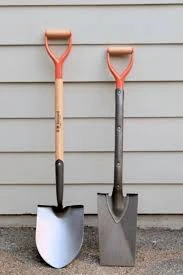
Description:
- Shape: Long handle with flat or pointed blade
- Size: Handle 3-4 feet long, blade 6-10 inches wide
- Material: Wooden handle, steel blade
- Blade types: Flat for cutting, pointed for digging
- Edge: Sharp cutting edge for breaking ground
Uses:
- Digging holes: For planting trees and posts
- Moving soil: Loading and unloading dirt
- Trenching: Making channels for water drainage
- Harvesting: Digging up buried crops
- Construction: Building farm structures
- Watering Can

Description:
- Shape: Round container with spout and handle
- Size: Holds 1-5 gallons of water
- Material: Metal, plastic, or galvanized steel
- Parts: Body, spout, handle, shower head (rose)
- Spout: Long curved tube for directing water
Uses:
- Watering plants: Giving water to crops gently
- Seedling care: Watering young plants without damage
- Applying liquid fertilizer: Feeding plants with nutrients
- Washing: Cleaning tools and equipment
- Measuring: Measuring amounts of liquid
- Wheelbarrow
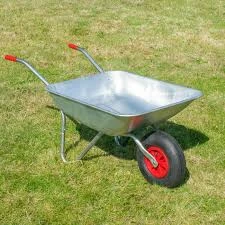
Description:
- Shape: Bowl-shaped container with one wheel and handles
- Size: Holds 3-6 cubic feet of material
- Material: Metal or plastic tray, rubber wheel
- Parts: Tray, wheel, axle, handles, legs
- Wheel: Single wheel in front for easy steering
Uses:
- Transporting: Moving soil, manure, and crops
- Harvesting: Collecting and carrying farm produce
- Construction: Moving building materials
- Waste removal: Carrying away farm debris
- Water transport: Moving water to distant areas
- Sickle
Description:

- Shape: Curved blade with short handle
- Size: Blade 6-8 inches long, handle 4-6 inches
- Material: Steel blade, wooden handle
- Curve: Blade curves like half-moon
- Edge: Very sharp inner edge for cutting
Uses:
- Harvesting grains: Cutting rice, wheat, millet
- Grass cutting: Trimming grass around crops
- Fodder collection: Cutting grass for animal feed
- Weed control: Removing unwanted plants
- Craft work: Cutting materials for basket making
- Pitchfork

Description:
- Shape: Long handle with 2-4 sharp prongs
- Size: Handle 4-5 feet long, prongs 8-12 inches
- Material: Wooden handle, steel prongs
- Prongs: Sharp, pointed tines for lifting
- Design: Prongs spread apart like fingers
Uses:
- Moving hay: Lifting and loading dried grass
- Manure handling: Loading animal waste for composting
- Straw work: Moving bedding material for animals
- Compost turning: Mixing organic waste
- Loading: Putting loose materials onto vehicles
- Sprayer
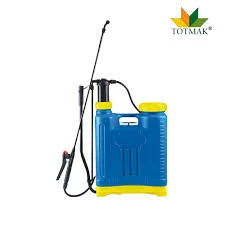
Description:
- Shape: Tank with pump, hose, and nozzle
- Size: Holds 1-5 gallons of liquid
- Material: Plastic or metal tank, rubber hose
- Parts: Tank, pump, pressure gauge, nozzle
- Operation: Manual pump or motorized
Uses:
- Pest control: Spraying insecticides on crops
- Weed control: Applying herbicides to kill weeds
- Fertilizing: Applying liquid nutrients to plants
- Disease control: Spraying fungicides on crops
- Cleaning: Washing equipment and surfaces
- Basket
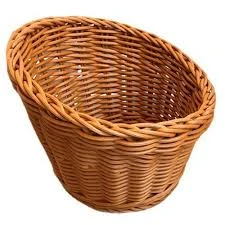
Description:
- Shape: Round or oval woven container
- Size: Various sizes from small to very large
- Material: Bamboo, palm fronds, or plastic
- Construction: Woven pattern for strength
- Handles: Built-in or attached handles for carrying
Uses:
- Harvesting: Collecting fruits, vegetables, grains
- Storage: Keeping farm produce organized
- Transportation: Carrying crops to market
- Winnowing: Separating grain from chaff
- Gift giving: Presenting farm produce to others
How to Choose the Right Tool
Consider the Job:
- What needs to be done? Different jobs need different tools
- Size of the area? Large areas may need bigger tools
- Type of crop? Some crops need special tools
- Soil conditions? Hard soil needs stronger tools
Consider the User:
- Age and strength of the person using tool
- Experience level with different tools
- Safety requirements for each tool
- Training needed before using tool
Consider the Conditions:
- Weather conditions when tool will be used
- Ground conditions (wet, dry, rocky, soft)
- Available time for completing the job
- Budget for buying or renting tools
Proper Tool Selection Examples
For Land Preparation:
- Hard ground: Use pick axe or hoe
- Soft ground: Use rake or light hoe
- Rocky soil: Use mattock or heavy hoe
- Large area: Consider tractor (if available)
For Planting:
- Small seeds: Use dibble or planting stick
- Large seeds: Use hoe to make furrows
- Transplanting: Use spade for digging holes
- Row planting: Use string line for straight rows
for Harvesting:
- Grain crops: Use sickle or scythe
- Root crops: Use hoe or spade for digging
- Fruits: Use basket for collection
- Large harvest: Use wheelbarrow for transport
Care Based on Tool Description
Metal Tools:
- Clean and dry after each use
- Oil metal parts to prevent rust
- Store in dry place away from moisture
- Sharpen cutting edges regularly
Wooden Handles:
- Check for cracks or damage
- Sand smooth if rough
- Oil occasionally to prevent drying
- Replace when badly damaged
Moving Parts:
- Oil wheels and joints regularly
- Check for loose bolts and screws
- Replace worn parts promptly
- Keep moving parts clean and lubricated
EXERCISES
Exercise 1: Fill in the Blanks
- Tool description explains how a tool ________ and what it is made of
- A hoe has a long wooden ________ with a flat metal blade
- A ________ has a curved blade for cutting grass and grain
- Tool uses explain what ________ each farm tool does
Exercise 2: True or False
- All farm tools look exactly the same ____
- A wheelbarrow has one wheel in front ____
- Tool description helps us identify tools ____
- A rake has sharp teeth for gathering ____
Exercise 3: Match Tool with Description
Draw lines to connect each tool with its description:
- Cutlass → Round container with spout and handle
- Watering can → Long curved sharp blade with handle
- Pitchfork → Bowl-shaped container with one wheel
- Wheelbarrow → Long handle with sharp prongs
Exercise 4: Tool Parts
Write the main parts of these tools:
- Hoe: ________, ________, ________
- Wheelbarrow: ________, ________, ________
- Sprayer: ________, ________, ________
Exercise 5: Choose the Right Answer
Circle the correct answer:
- A sickle blade is shaped like: Straight line / Half-moon curve
- Rake teeth are used for: Cutting / Gathering
- Shovel blade can be: Only flat / Flat or pointed
- Basket material is usually: Metal / Woven plant material
This term's Agricultural Science topics
Basic 4 Third Term · 7 topics
Third Term Agricultural Science Lesson Notes for Other Topics

Farm Records and Types
Read the full lesson note.

Marketing Channels for Farm Produce; Co-operative Societies and Marketing Boards
Read the full lesson note.

Marketing Channels - Middlemen and Retailers
Read the full lesson note.
Marketing Channels for Farm farm Produce; Producers of Farm Produce
Read the full lesson note.

Marketing Channels for Farm Produce
Read the full lesson note.

Common Pests And Parasites Of Farm Animals
Read the full lesson note.
Systems Of Rearing Farm Animals
Read the full lesson note.

Management Of Farm Animals
Read the full lesson note.

Rearing Of Chicken, Rabbit, Or Snail
Read the full lesson note.
Common Disease Of Farm Animals 2
Read the full lesson note.

Common Disease Of Farm Animals
Read the full lesson note.

Procedures For Rearing Farm Animals
Read the full lesson note.

Rearing Of Farm Animals
Read the full lesson note.
Common Farm Tools
Read the full lesson note.
Agricultural Tillage Tools
Read the full lesson note.
Lesson Notes for Other Classes

Basic 1 Lesson Note
The complete lesson note to guide your studies.

Basic 2 Lesson Note
The complete lesson note to guide your studies.

Basic 3 Lesson Note
The complete lesson note to guide your studies.

Basic 5 Lesson Note
The complete lesson note to guide your studies.

Basic 6 Lesson Note
The complete lesson note to guide your studies.

JSS1 Lesson Note
The complete lesson note to guide your studies.