
Community Leadership in Nigeria Traditional Setting – Basic 2 Civic Education Lesson Note (Third Term)
Download Lesson NoteLesson note at a glance
- Subject
- Civic Education
- Class
- Basic 2
- Term
- Third Term
- Topic
- Community Leadership in Nigeria Traditional Setting
- Order
- Topic 1 of 7 this term
- Reading time
- 4 min

Learning Objectives:
By the end of this lesson, pupils should be able to:
- Explain who a leader is with examples
- Identify the three major ethnic groups in Nigeria
- Outline the traditional titles of community leadership in the major ethnic groups
Lesson Content:
Who is a Leader? A leader is a person who guides, directs, and makes decisions for a group of people. Leaders help solve problems and show others the right way to do things.
Examples of Leaders:
- Your father is a leader in your family
- Your teacher is a leader in your classroom
- The headteacher is a leader in your school
- Traditional rulers are leaders in communities
- The President is a leader of our country
What Leaders Do:
- Make important decisions
- Solve problems between people
- Guide and protect their people
- Represent their community
- Keep peace and order
The Three Major Ethnic Groups in Nigeria:
Nigeria has over 250 ethnic groups, but three are considered the largest:
- HAUSA-FULANI PEOPLE:

Where they live: Northern Nigeria (Kano, Kaduna, Sokoto, Katsina, Bauchi, etc.) Language: Hausa Religion: Mostly Islam Main occupation: Farming, cattle rearing, trading Famous cities: Kano, Kaduna, Sokoto, Maiduguri
- YORUBA PEOPLE:
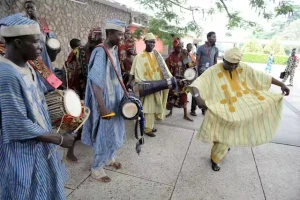
Where they live: South-Western Nigeria (Lagos, Ogun, Oyo, Osun, Ondo, Ekiti) Language: Yoruba Religion: Christianity, Islam, Traditional religion Main occupation: Trading, farming, crafts Famous cities: Lagos, Ibadan, Abeokuta, Ile-Ife
- IGBO PEOPLE:
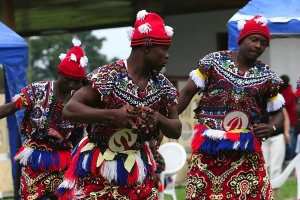
Where they live: South-Eastern Nigeria (Anambra, Imo, Abia, Enugu, Ebonyi) Language: Igbo Religion: Mostly Christianity Main occupation: Trading, farming, business Famous cities: Onitsha, Aba, Enugu, Awka
Traditional Leadership Titles in Major Ethnic Groups:
HAUSA-FULANI TRADITIONAL LEADERSHIP:
- Emir:
- The highest traditional ruler
- Rules over a large area called Emirate
- Examples: Emir of Kano, Emir of Sokoto, Emir of Katsina
- Lives in a palace
- Wears beautiful traditional clothes
- Madaki:
- A high-ranking chief under the Emir
- Helps the Emir in ruling
- Commands respect in the community
- Galadima:
- Another important title holder
- Assists in administration
- Has authority over certain areas
- Sarki:
- Means “king” in Hausa
- Used for various levels of rulers
- Can refer to village heads or district heads
YORUBA TRADITIONAL LEADERSHIP:
- Oba:
- The traditional king of Yoruba people
- Rules over towns and communities
- Examples: Oba of Lagos, Alaafin of Oyo, Ooni of Ife
- Wears a crown called “Ade”
- Lives in a palace called “Afin”
- Baale:
- Village head or community leader
- Reports to the Oba
- Settles local disputes
- Represents the community
- Otun:
- High-ranking chief
- Right-hand person to the Oba
- Helps in decision making
- Balogun:
- War chief or military leader
- Protects the community
- Leads during conflicts
IGBO TRADITIONAL LEADERSHIP:
- Eze:
- Traditional king of Igbo communities
- Examples: Eze Ndigbo, Obi of Onitsha
- Wears traditional regalia
- Makes important community decisions
- Obi:
- Another title for Igbo traditional ruler
- Respected elder and leader
- Settles disputes and maintains order
- Ichie:
- Title holder or elder
- Assists the Eze in governance
- Respected for wisdom and experience
- Nze:
- Traditional title holder
- Participates in community decision making
- Represents different family groups
How These Leaders Are Chosen:
Traditional Methods:
- Inheritance from father to son (hereditary)
- Selection by elders and chiefs
- Approval by the community
- Religious ceremonies and rituals
What Makes Them Special:
- They preserve our culture and traditions
- They speak the local language fluently
- They understand customary laws
- They represent their people’s interests
- They maintain connection with ancestors
Class Activity:
Show pictures of traditional rulers from the three major ethnic groups in their traditional attire. Let pupils identify which ethnic group each ruler belongs to.
Week 2 multiple choice exercise:
Choose the correct answer:
- A leader is someone who: a) Creates problems for people b) Guides and makes decisions for others c) Runs away from responsibilities
- The three major ethnic groups in Nigeria are: a) Yoruba, Igbo, Tiv b) Hausa-Fulani, Yoruba, Igbo c) Hausa, Benin, Ijaw
- Hausa-Fulani people are mostly found in: a) Southern Nigeria b) Northern Nigeria c) Eastern Nigeria
- The traditional ruler of Yoruba people is called: a) Emir b) Eze c) Oba
- The traditional ruler of Igbo people is called: a) Oba b) Eze or Obi c) Emir
- The highest traditional ruler among Hausa-Fulani is: a) Baale b) Emir c) Ichie
- Yoruba people mostly live in: a) Northern Nigeria b) South-Western Nigeria c) South-Eastern Nigeria
- Igbo people are mostly found in: a) South-Eastern Nigeria b) Northern Nigeria c) South-Western Nigeria
- A Baale is a leader in: a) Igbo community b) Hausa community c) Yoruba community
- Traditional leaders help to: a) Create confusion b) Preserve culture and maintain peace c) Fight with their people
Answers: 1(b), 2(b), 3(b), 4(c), 5(b), 6(b), 7(b), 8(a), 9(c), 10(b)
This term's Civic Education topics
Basic 2 Third Term · 7 topics
- Community Leadership in Nigeria Traditional Setting
- Duties of a Community Leader
- Reward of Community Leaders
- Other Duties of a Community Leader
- Humility
- Qualities of Community Leadership
- Road Signs and Traffic Light
Third Term Civic Education Lesson Notes for Other Topics
Respect
Read the full lesson note.

Ways of Showing Respect
Read the full lesson note.
People to Respect
Read the full lesson note.
People to Respect (Authorities)
Read the full lesson note.

Places to Respect
Read the full lesson note.

Places to Respect II
Read the full lesson note.
Things to Respect in the Society
Read the full lesson note.
Things to Respect in the Society II
Read the full lesson note.
Solution to Disunity Cont'd
Read the full lesson note.

Building a United Nigeria - Comprehensive Review
Read the full lesson note.

Concept of National Unity and Evidence of Loyalty
Read the full lesson note.
Characteristics of National Unity
Read the full lesson note.

Factors that Promote National Unity
Read the full lesson note.

Factors that Promote National Unity - Part II
Read the full lesson note.

Factors that Hinder National Unity - Part I
Read the full lesson note.
Lesson Notes for Other Classes

Basic 1 Lesson Note
The complete lesson note to guide your studies.

Basic 3 Lesson Note
The complete lesson note to guide your studies.

Basic 4 Lesson Note
The complete lesson note to guide your studies.

Basic 5 Lesson Note
The complete lesson note to guide your studies.
Basic 6 Lesson Note
The complete lesson note to guide your studies.

JSS1 Lesson Note
The complete lesson note to guide your studies.

