
Recycling Basic 6 Cultural & Creative Arts (CCA) Lesson Note
Download Lesson NoteTopic: Recycling
Learning Objectives
By the end of the lesson, pupils should be able to:
- Explain the meaning of recycling
- Mention the importance of recycling
- Identify materials that can be recycled
- Recycle using plastic bottles for utilitarian use
Content
What is Recycling? Recycling is the process of converting waste materials into new, useful products. Instead of throwing things away, we transform them into something valuable and functional. It’s part of the “Reduce, Reuse, Recycle” principle for environmental protection.
The Recycling Process:
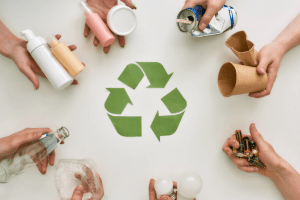
- Collection – Gathering recyclable materials
- Sorting – Separating different types of materials
- Cleaning – Removing contamination and preparing materials
- Processing – Breaking down or reshaping materials
- Manufacturing – Creating new products
- Distribution – Selling new products made from recycled materials
Importance of Recycling:
Environmental Benefits:
- Reduces Waste – Less garbage in landfills and oceans
- Conserves Natural Resources – Saves trees, metals, and oil
- Reduces Pollution – Less harmful chemicals in air and water
- Protects Wildlife – Prevents habitat destruction
- Combats Climate Change – Reduces greenhouse gas emissions
Economic Benefits:
- Creates Jobs – Employment in recycling industries
- Saves Money – Cheaper than producing new materials
- Reduces Import Costs – Less need to buy raw materials from other countries
- Generates Income – People can earn money from selling recyclables
Social Benefits:
- Community Involvement – People work together for common good
- Education – Teaches responsibility and environmental awareness
- Health Benefits – Cleaner environment means better health
- Future Generations – Preserves resources for children and grandchildren
Materials That Can Be Recycled:
Paper Products:
- Newspapers and magazines
- Cardboard boxes
- Office paper and notebooks
- Paper bags and wrapping paper
Plastic Items:
- Water and soda bottles
- Food containers and yogurt cups
- Shopping bags and packaging
- Toys and household items
Glass Materials:
- Bottles and jars
- Drinking glasses (some types)
- Windows and mirrors (with special handling)
Metal Objects:
- Aluminum cans
- Steel cans and containers
- Copper wires and pipes
- Iron and metal scraps
Organic Materials:
- Food scraps for composting
- Garden waste and leaves
- Paper that can be composted
- Natural fabric scraps
Electronic Items:
- Old phones and computers
- Batteries and chargers
- Television and radio parts
- Small appliances
Recycling Plastic Bottles for Utilitarian Use:
Project 1: Plastic Bottle Planter Materials: Large plastic bottle, scissors, paint, soil, seeds Steps:
- Cut bottle in half horizontally
- Make drainage holes in bottom section
- Decorate with paint or colored paper
- Add soil and plant seeds
- Use for growing herbs or flowers
Project 2: Storage Container Materials: Large plastic bottle, scissors, decorative materials Steps:
- Cut off top portion of bottle
- Sand rough edges smooth
- Decorate exterior with fabric or paint
- Use for storing pencils, brushes, or small items
Project 3: Bird Feeder Materials: Plastic bottle, wooden spoons, birdseed, string Steps:
- Cut small holes for spoons to go through
- Insert wooden spoons (handles inside, bowl ends outside)
- Fill with birdseed
- Hang from tree branch with string
Project 4: Watering Device Materials: Plastic bottle, needle or small nail Steps:
- Make small holes in bottle cap
- Fill bottle with water
- Screw on cap tightly
- Use as sprinkler for plants
Safety Tips for Recycling:
- Always clean containers before recycling
- Be careful with sharp edges when cutting
- Ask adults for help with tools
- Wear protective gloves when handling glass
- Never mix different types of materials
Activities
- Sort classroom waste into recyclable and non-recyclable
- Create useful items from plastic bottles
- Design a recycling plan for the school
- Make compost from organic waste
- Organize a recycling awareness campaign
Multiple Choice Questions
- Recycling means: a) Throwing things away b) Converting waste into new useful products c) Buying new things only d) Burning all waste
- Which is NOT a benefit of recycling? a) Reduces waste b) Creates jobs c) Increases pollution d) Saves natural resources
- Which material CANNOT typically be recycled? a) Paper b) Plastic bottles c) Radioactive waste d) Glass jars
- The first step in recycling is: a) Manufacturing b) Collection c) Processing d) Distribution
- Plastic bottles can be recycled into: a) Planters only b) Storage containers only c) Various useful items d) Nothing useful
Homework
Collect 3 different recyclable materials from home (like plastic bottles, cardboard, or glass jars). Create one useful item from each material and write instructions for how you made it. Take photos or draw pictures of your finished products and explain how recycling these materials helps the environment.
Second Term Cultural & Creative Arts (CCA) Lesson Notes for Other Topics
Mosaic
Explore lesson notes covering all topics.
Forms of Dance
Explore lesson notes covering all topics.
Choral Singing
Explore lesson notes covering all topics.
Care of Tools and Equipment used in Performing Arts and Entertainment
Explore lesson notes covering all topics.

Play
Explore lesson notes covering all topics.
Introduction to Play Production
Explore lesson notes covering all topics.
Introduction to Still Life Drawing
Explore lesson notes covering all topics.
Definition of Music
Explore lesson notes covering all topics.

Designing Patterns Using Basic Shapes
Explore lesson notes covering all topics.

Craft Making
Explore lesson notes covering all topics.
Music Staff (Stave)
Explore lesson notes covering all topics.

Colouring Patterns Of Basic Shape
Explore lesson notes covering all topics.

Musical Alphabets & Clefs
Explore lesson notes covering all topics.
Paper Craft Making
Explore lesson notes covering all topics.
Acting
Explore lesson notes covering all topics.
Lesson Notes for Other Classes

Basic 2 Lesson Note
The complete lesson note to guide your studies.
Basic 3 Lesson Note
The complete lesson note to guide your studies.

Basic 4 Lesson Note
The complete lesson note to guide your studies.
Basic 5 Lesson Note
The complete lesson note to guide your studies.
JSS1 Lesson Note
The complete lesson note to guide your studies.
JSS2 Lesson Note
The complete lesson note to guide your studies.