
Introduction to Play Production Basic 6 Cultural & Creative Arts (CCA) Lesson Note
Download Lesson NoteTopic: Introduction to Play Production
Learning Objectives
By the end of the lesson, pupils should be able to:
- Discuss a play production
- Analyse Nigerian play production
- Evaluate one Nigerian actor/actress
Content
What is Play Production? Play production is the complete process of bringing a written play to life on stage. It involves many people working together to create a performance for an audience.
Stages of Play Production:
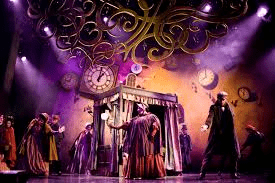
- Pre-Production:
- Script Selection – Choosing the play to perform
- Casting – Selecting actors for roles
- Planning – Budgeting, scheduling, designing
- Rehearsal Planning – Organizing practice sessions
- Production:
- Rehearsals – Actors practice their roles
- Set Construction – Building stage scenery
- Costume Creation – Making or gathering clothing
- Technical Setup – Lights, sound, and effects
- Performance:
- Dress Rehearsals – Final practice with everything
- Opening Night – First public performance
- Performance Run – All scheduled shows
- Closing Night – Final performance
Key People in Play Production:
- Producer – Organizes and funds the production
- Director – Guides actors and overall vision
- Actors – Perform the characters
- Stage Manager – Coordinates all aspects during shows
- Technical Crew – Handles lights, sound, and scenery
Nigerian Play Production:
Characteristics:
- Often incorporates traditional music and dance
- Uses local languages alongside English
- Addresses social and cultural issues
- Combines modern and traditional storytelling
- Features colorful costumes and vibrant performances
Famous Nigerian Theatrical Companies:
- National Theatre Lagos
- Kakaki Theatre Company
- Crown Troupe of Africa
Types of Nigerian Plays:
- Traditional Folk Plays – Based on local stories
- Contemporary Social Drama – Modern issues
- Comedy – Humorous entertainment
- Musical Theatre – Combines singing, dancing, acting
Notable Nigerian Actor: Olu Jacobs
Background:
- Born in 1942 in Abeokuta, Ogun State
- Trained at the Royal Academy of Dramatic Arts in London
- One of Nigeria’s most respected actors
Career Achievements:
- Starred in numerous Nollywood films
- Performed in international productions
- Founded acting workshops and schools
- Mentored many young Nigerian actors
- Received multiple awards for excellence in acting
Acting Style:
- Known for powerful dramatic performances
- Excellent command of English and Yoruba
- Versatile in both comedy and serious roles
- Strong stage presence and voice projection
Contribution to Nigerian Theatre:
- Helped establish professional acting standards
- Promoted Nigerian stories internationally
- Trained the next generation of actors
- Bridged traditional and modern theatre
Activities
- Plan a simple class play production
- Assign production roles to different students
- Research other Nigerian actors and actresses
- Create a production timeline for a school play
- Practice basic acting and directing exercises
Multiple Choice Questions
- The person who guides actors and the overall vision is the: a) Producer b) Director c) Stage manager d) Actor
- Pre-production includes all of these EXCEPT: a) Script selection b) Casting c) Opening night d) Planning
- Olu Jacobs was trained at: a) University of Nigeria b) Royal Academy of Dramatic Arts c) National Theatre Lagos d) Crown Troupe of Africa
- Nigerian plays often incorporate: a) Only English language b) Traditional music and dance c) Foreign stories only d) Modern technology exclusively
- The final practice with costumes and effects is called: a) Casting b) Dress rehearsal c) Opening night d) Script reading
Homework
Research one other famous Nigerian actor or actress (like Genevieve Nnaji, Pete Edochie, or Joke Silva). Write a paragraph about their background, famous roles, and contribution to Nigerian entertainment. Plan a 5-minute class play and list all the people and resources you would need.
Second Term Cultural & Creative Arts (CCA) Lesson Notes for Other Topics

Introduction to Modelling: Making Objects with Paper Mache
Explore lesson notes covering all topics.

Traditional Fabrics and Dresses
Explore lesson notes covering all topics.

Singing Tonic Solfa of Twinkle Twinkle Little Star and Matching Songs
Explore lesson notes covering all topics.

Musical Notes and Their Values
Explore lesson notes covering all topics.

Methods of Modelling Objects with Clay Plastering
Explore lesson notes covering all topics.

Importance of Traditional Dresses
Explore lesson notes covering all topics.

Musical Notes: Rhythmic Clapping
Explore lesson notes covering all topics.

Fashion Accessories
Explore lesson notes covering all topics.

Musical Notes - Introduction to Notation
Explore lesson notes covering all topics.

Costume and Make-up in Drama
Explore lesson notes covering all topics.
Mosaic
Explore lesson notes covering all topics.
Forms of Dance
Explore lesson notes covering all topics.
Choral Singing
Explore lesson notes covering all topics.
Care of Tools and Equipment used in Performing Arts and Entertainment
Explore lesson notes covering all topics.

Play
Explore lesson notes covering all topics.
Lesson Notes for Other Classes

Basic 1 Lesson Note
The complete lesson note to guide your studies.

Basic 2 Lesson Note
The complete lesson note to guide your studies.
Basic 3 Lesson Note
The complete lesson note to guide your studies.

Basic 4 Lesson Note
The complete lesson note to guide your studies.
Basic 5 Lesson Note
The complete lesson note to guide your studies.

JSS1 Lesson Note
The complete lesson note to guide your studies.