
Basic Motor Parts (Internal) Basic 5 Basic Science Lesson Note
Download Lesson NoteTopic: Basic Motor Parts (Internal)
Learning Objectives: By the end of the lesson, pupils should be able to:
- Mention the internal parts of motor vehicle
- Identify the internal parts of a motor vehicle
- Discuss the basic functions of the internal parts of a motor vehicle
What is a Motor Vehicle?
A motor vehicle is a self-propelled vehicle that uses an engine to move. It includes cars, buses, trucks, motorcycles, and other vehicles that transport people or goods on roads.
Internal Parts of a Motor Vehicle:
SAFETY PARTS:
- Airbags
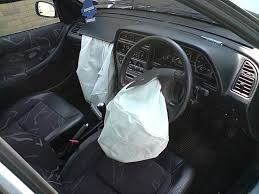
- Location: Dashboard, steering wheel, side panels, doors
- Appearance: Hidden bags that inflate during crashes
- Function: Protect passengers from injury during accidents by cushioning impact
- Seat Belts
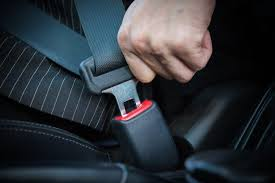
- Location: Attached to seats and car frame
- Appearance: Strong fabric straps with metal buckles
- Function: Keep passengers secure in their seats during sudden stops or crashes
- Safety Glass
- Location: Windshield and windows
- Appearance: Special reinforced glass
- Function: Breaks into small, less dangerous pieces during accidents
CONTROL AND STEERING PARTS:
- Steering Wheel
- Location: In front of driver’s seat
- Appearance: Circular wheel with spokes
- Function: Controls the direction the vehicle moves (left or right)
- Dashboard
- Location: Panel in front of driver and passenger
- Appearance: Contains gauges, warning lights, and controls
- Function: Displays vehicle information (speed, fuel, temperature)
- Gear Shift/Gear Lever
- Location: Between front seats or on steering column
- Appearance: Lever or knob with different positions
- Function: Changes gears to control vehicle speed and power
PEDALS (In cars with manual/automatic transmission):
- Accelerator Pedal (Gas Pedal)
- Location: Rightmost pedal on floor
- Appearance: Flat pedal operated by right foot
- Function: Controls engine speed – press to go faster
- Brake Pedal
- Location: Middle pedal (or left in automatic cars)
- Appearance: Wider pedal operated by right foot
- Function: Slows down or stops the vehicle
- Clutch Pedal (Manual transmission only)
- Location: Leftmost pedal in manual cars
- Appearance: Pedal operated by left foot
- Function: Disconnects engine from transmission when changing gears
SEATING AND COMFORT PARTS:
- Seats
- Location: Throughout passenger compartment
- Appearance: Cushioned chairs with adjustments
- Function: Provide comfortable seating for driver and passengers
- Seat Adjustments
- Location: Sides and bottom of seats
- Appearance: Levers, knobs, or electric buttons
- Function: Allow seats to move forward, backward, up, down for comfort
- Headrests
- Location: Top of seats
- Appearance: Padded supports behind head
- Function: Prevent neck injury (whiplash) during rear-end collisions
LIGHTING AND ELECTRICAL PARTS:
- Interior Lights
- Location: Ceiling, doors, dashboard
- Appearance: Small light bulbs or LED lights
- Function: Provide lighting inside the vehicle
- Turn Signal Indicators
- Location: Dashboard and steering column
- Appearance: Flashing lights and clicking sounds
- Function: Show which direction the car will turn
- Hazard Light Switch
- Location: Dashboard or center console
- Appearance: Button with triangle symbol
- Function: Makes all turn signals flash to warn other drivers
CLIMATE CONTROL PARTS:
- Air Conditioning (A/C) Vents
- Location: Dashboard, doors, ceiling
- Appearance: Adjustable slats or grilles
- Function: Direct cool or warm air throughout the vehicle
- Heater Controls
- Location: Center dashboard
- Appearance: Knobs, buttons, or digital controls
- Function: Control temperature, fan speed, and air direction
- Windows and Window Controls
- Location: Doors and door panels
- Appearance: Glass windows with electric or manual controls
- Function: Open and close windows for ventilation
STORAGE AND CONVENIENCE PARTS:
- Glove Compartment
- Location: Dashboard on passenger side
- Appearance: Hinged compartment with handle
- Function: Store small items like documents, tools, emergency supplies
- Cup Holders
- Location: Center console, doors, seat backs
- Appearance: Circular indentations or retractable holders
- Function: Hold drinks securely while driving
- Storage Compartments
- Location: Doors, center console, seat backs
- Appearance: Various sized compartments and pockets
- Function: Store personal items, tools, and supplies
MIRRORS AND VISIBILITY:
- Rearview Mirror
- Location: Attached to windshield or ceiling
- Appearance: Flat or slightly curved mirror
- Function: Allows driver to see traffic behind the vehicle
- Side Mirrors
- Location: On exterior of doors (visible from inside)
- Appearance: Adjustable mirrors with controls inside
- Function: Help driver see vehicles in adjacent lanes
Functions of Internal Motor Vehicle Parts:
SAFETY FUNCTIONS:
- Protect occupants during accidents and collisions
- Prevent injuries through restraint systems and impact absorption
- Provide visibility for safe driving in all conditions
- Alert others to vehicle intentions and problems
CONTROL FUNCTIONS:
- Direct vehicle movement through steering and navigation
- Control speed through acceleration and braking systems
- Manage power delivery through transmission and gear systems
- Monitor vehicle status through gauges and warning systems
COMFORT FUNCTIONS:
- Provide comfortable seating for all occupants
- Control interior climate through heating and cooling systems
- Offer convenient storage for personal items and necessities
- Enable easy operation through ergonomic design
COMMUNICATION FUNCTIONS:
- Signal intentions to other drivers through indicators
- Warn of hazards through emergency lighting systems
- Provide information to driver through dashboard displays
- Enable emergency communication through horn and lights
Vehicle Safety Rules:
For Passengers:
- Always wear seat belts – Even for short trips
- Sit properly – Back against seat, feet on floor
- Keep hands and head inside – Don’t stick body parts out windows
- Follow driver instructions – Listen to safety directions
For Drivers (Future Learning):
- Adjust mirrors and seat – Before starting the vehicle
- Check dashboard warnings – Ensure all systems are working
- Use signals properly – Indicate turns and lane changes
- Maintain safe speed – Follow speed limits and road conditions
ASSESSMENT QUESTIONS
LESSON 1: BASIC MOTOR PARTS (INTERNAL) (Multiple Choice Questions)
- Which part of a car protects passengers during a crash by inflating quickly? a) Seat belt b) Airbag c) Steering wheel d) Dashboard
- The pedal used to slow down or stop a vehicle is called: a) Accelerator pedal b) Clutch pedal c) Brake pedal d) Gear pedal
- Which part controls the direction a vehicle moves? a) Gear shift b) Steering wheel c) Dashboard d) Seats
- Seat belts function to: a) Make the car go faster b) Keep passengers secure in their seats c) Control the car’s direction d) Start the car’s engine
- The dashboard displays: a) The car’s external appearance b) Vehicle information like speed and fuel level c) The car’s color options d) Passenger entertainment
Third Term Basic Science Lesson Notes for Other Topics

Simple Machines
Explore lesson notes covering all topics.

Simple Machines - The Safe Use of Simple Machines
Explore lesson notes covering all topics.

Concept of Technology
Explore lesson notes covering all topics.

Technology in Home - Electric Gadgets
Explore lesson notes covering all topics.

Technology in Transportation - Land and Air
Explore lesson notes covering all topics.

What Is Water Transportation?
Explore lesson notes covering all topics.

Exploring Your Environment I
Explore lesson notes covering all topics.

Exploring Your Environment II
Explore lesson notes covering all topics.

Exploring Your Environment III
Explore lesson notes covering all topics.
Animals - As Living Things (Characteristics)
Explore lesson notes covering all topics.

Uses of Animals
Explore lesson notes covering all topics.
Meaning and Characteristics of Plants
Explore lesson notes covering all topics.

Meaning and Characteristics of Animals
Explore lesson notes covering all topics.

Plants - As Living Things II
Explore lesson notes covering all topics.

Uses of Plants
Explore lesson notes covering all topics.
Lesson Notes for Other Classes
Basic 1 Lesson Note
The complete lesson note to guide your studies.

Basic 2 Lesson Note
The complete lesson note to guide your studies.

Basic 3 Lesson Note
The complete lesson note to guide your studies.

Basic 4 Lesson Note
The complete lesson note to guide your studies.

Basic 6 Lesson Note
The complete lesson note to guide your studies.

JSS1 Lesson Note
The complete lesson note to guide your studies.