
Swimming Basic 4 Physical & Health Education Lesson Note
Download Lesson NoteTopic: Swimming
Class: Primary 4
Duration: 30 minutes
Subject: Physical and Health Education
Learning Objectives
By the end of this lesson, pupils will be able to:
- Name different types of swimming strokes
- Describe basic swimming movements
- List important safety rules for swimming
What is Swimming?
Swimming is moving through water using your arms and legs. It is a fun exercise that keeps us healthy and fit.
Types of Swimming Strokes
- Breast Stroke
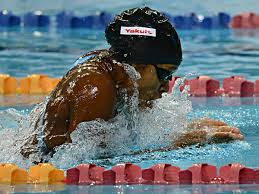
How to do it:
- Lie on your chest in water
- Move arms in big circles
- Kick legs like a frog
- Keep head above water
- Breathe easily while swimming
- Good for beginners
- Butterfly Stroke
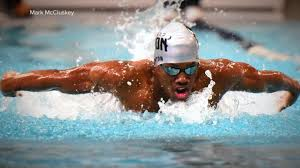
How to do it:
- Lie on your chest
- Move both arms together like butterfly wings
- Kick legs together up and down
- Move body like a dolphin
- Most difficult stroke
- Need lots of practice
- Front Crawl
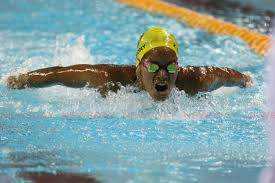
How to do it:
- Lie on your chest
- Move arms one after the other
- Kick legs up and down fast
- Turn head to side to breathe
- Fastest swimming stroke
- Also called freestyle
Safety Rules for Swimming
Before Swimming
- Always swim with an adult
- Learn to swim from a trained teacher
- Warm up your body first
- Check water depth
While Swimming
- Never swim alone
- Stay in shallow water if you’re learning
- Don’t run around the pool
- Don’t push other people
- Call for help if you’re in trouble
Important Safety Tips
- Always wear life jacket if you can’t swim well
- Don’t swim during storms
- Don’t swim in dirty water
- Listen to lifeguards and teachers
- Don’t dive in shallow water
- Rest when you feel tired
Simple Activity
Practice arm movements for front crawl while standing on dry land.
Evaluation
- Name three types of swimming strokes
- Which stroke is best for beginners?
- Give two safety rules for swimming
- Why should you never swim alone?
Third Term Physical & Health Education Lesson Notes for Other Topics

Health and Hygiene
Explore lesson notes covering all topics.

Teeth Brushing
Explore lesson notes covering all topics.

Care of the Nails and Hair
Explore lesson notes covering all topics.

Cleanliness
Explore lesson notes covering all topics.

First Aid
Explore lesson notes covering all topics.

First Aid (Continued)
Explore lesson notes covering all topics.

Content of First Aid
Explore lesson notes covering all topics.

Benefits of First Aid
Explore lesson notes covering all topics.
First Aid
Explore lesson notes covering all topics.
Health And Hygiene - Pollution
Explore lesson notes covering all topics.
Swimming
Explore lesson notes covering all topics.

Swimming II
Explore lesson notes covering all topics.
First Aid II
Explore lesson notes covering all topics.
First Aid
Explore lesson notes covering all topics.
Issues and Challenges in Sports and PHE
Explore lesson notes covering all topics.
Lesson Notes for Other Classes

Basic 1 Lesson Note
The complete lesson note to guide your studies.

Basic 2 Lesson Note
The complete lesson note to guide your studies.
Basic 3 Lesson Note
The complete lesson note to guide your studies.
Basic 5 Lesson Note
The complete lesson note to guide your studies.
Basic 6 Lesson Note
The complete lesson note to guide your studies.
JSS1 Lesson Note
The complete lesson note to guide your studies.